How To Socialize A Puppy Safely: Expert Dog Sitters Explain Timing & Techniques
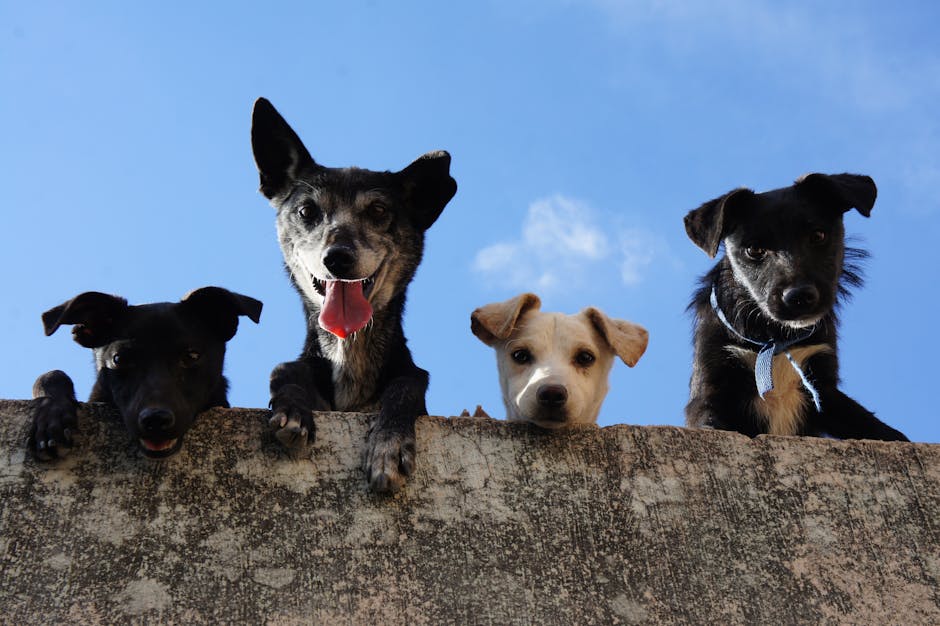
Bringing home a puppy is one of life's great joys: those wobbly legs, that soft fur, the boundless curiosity about everything. But amid the cuteness and chaos, there's a critical task that will shape your dog's temperament for years to come: socialization. Done well, it sets the foundation for a confident, relaxed, and friendly companion. Done poorly, or not at all, it can lead to a lifetime of fear, anxiety, and behavioral challenges.
The good news is that socializing a puppy doesn't have to be complicated or stressful. With the right approach, you can give your new family member the experiences they need while keeping them safe and happy. This guide walks you through everything you need to know.
First, What Is Puppy Socialization?
Socialization is often misunderstood as simply letting your puppy play with other dogs. Granted, that's part of it, but it's way broader than that. Socialization means exposing your puppy to a wide range of people, animals, environments, sounds, surfaces, and experiences, helping them learn that the world is a safe and interesting place and not something to fear.
During the socialization process, your puppy is essentially building a mental library of "normal." The more positive experiences they have with different stimuli early on, the more equipped they'll be to handle new situations calmly as adults. A puppy who meets people wearing hats, children on bicycles, and neighbors with umbrellas is far less likely to react fearfully to those things later in life.
Why Socialization Is So Important
The link between early experiences and lifelong behavior is well established. Puppies who receive adequate socialization tend to grow into dogs that are confident, adaptable, and easy to live with. They handle vet visits, grooming appointments, house guests, and trips to the park without excessive stress.
On the other hand, under-socialized dogs often develop fear-based behaviors that can be difficult to reverse. They may become reactive on leash, anxious around strangers, or terrified of everyday sounds like thunder or vacuum cleaners. In severe cases, poor socialization contributes to aggression, one of the leading reasons dogs are surrendered to shelters.
The effort you invest now pays dividends for the next decade or more of your dog's life.
Timing Matters
Puppies have a ritical socialization period that typically spans from about 3 to 14 weeks of age. During this window, their brains are uniquely primed to absorb new experiences and form lasting impressions. Positive encounters during this stage create neural pathways that help them approach similar situations with confidence later on.
After this window begins to close, puppies naturally become more cautious about unfamiliar things, a survival instinct that served their wild ancestors well but can work against domestic dogs who need to live in the human world full of novel stimuli.
This doesn't mean socialization is pointless after 14 weeks. Dogs continue learning throughout their lives, and you can absolutely make progress with an older puppy or adult dog. But the early weeks offer a unique opportunity that's worth maximizing if you have the chance.
Balancing Socialization With Health Safety
Here's the dilemma many new puppy owners face: the critical socialization window overlaps with the period before your puppy is fully vaccinated. Diseases like parvovirus and distemper are serious threats, and your vet has good reason to caution you about exposure. So how do you socialize safely?
The key is controlled exposure. Avoid high-risk environments like dog parks, pet stores, and areas with heavy dog traffic until your puppy has completed their vaccination series.
Instead, focus on safe alternatives. Carry your puppy through new environments so their paws don't touch potentially contaminated ground. Invite vaccinated, healthy dogs owned by friends or family to meet your puppy in your home or yard. Attend puppy socialization classes run by reputable trainers; these typically require proof of vaccination and maintain clean facilities.
Talk to your vet about the specific risks in your area and work together to find a balance that protects your puppy's health without sacrificing this crucial developmental stage.
How To Safely Introduce New Experiences
The golden rule of socialization is quality over quantity. Your goal is not to expose your puppy to as many things as possible in the shortest time but to create positive associations with new experiences. Flooding a puppy with overwhelming stimuli can backfire, creating fear instead of confidence.
Start slow and pay close attention to your puppy's body language. A relaxed puppy will have soft eyes, a loose body, and a wagging tail. A stressed puppy may cower, tuck their tail, flatten their ears, yawn excessively, or try to escape. If you see signs of fear, don't force the interaction. Create distance, let your puppy observe from a comfortable range, and pair the experience with treats or play.
Gentle encouragement is fine, but pushing too hard too fast can undo your progress. Let your puppy set the pace when possible, and always end sessions on a positive note.
Key Socialization Experiences To Prioritize
Think of socialization as building a checklist of experiences you want your puppy to encounter in a positive way. Here are the major categories to cover:
- People: Introduce your puppy to people of different ages, sizes, and appearances. Include children (supervised and gentle), elderly individuals, people wearing hats or sunglasses, people with beards, people in uniforms, and people using mobility aids like wheelchairs or walkers. The more variety, the better.
- Other Animals: Arrange playdates with vaccinated, friendly dogs, ideally calm adult dogs who can model good behavior. If you have other pets like cats, introduce them carefully and gradually. Expose your puppy to the sight and sound of other animals they may encounter, like birds or livestock, from a safe distance.
- Environments: Take your puppy to different settings, urban sidewalks, quiet parks, friends' homes, outdoor cafes. Let them experience car rides early and often. Vary the locations so they learn to adapt rather than becoming comfortable only in familiar territory.
- Sounds and Surfaces: Household sounds like blenders, doorbells, and washing machines should become unremarkable. Introduce grooming tools like nail clippers and brushes. Let your puppy walk on grass, gravel, tile, metal grates, and wooden decks so different textures feel normal underfoot.
Expert Dog Sitter Tips for Socialization
Professional dog sitters and trainers see firsthand how socialization, or the lack of it, shapes a dog's behavior. Here's what the experts recommend:
Start preparing early for separations. If you plan to use a dog sitter or daycare down the road, begin getting your puppy comfortable with being away from you in short, positive increments. Practice leaving them with a trusted friend or family member before their first professional stay.
Communicate thoroughly with your sitter. Share details about your puppy's socialization progress, any fears or sensitivities they have, and what experiences they've had so far. A good sitter will tailor their approach based on this information.
Choose socialization settings carefully. Not every daycare or playgroup is appropriate for a young puppy. Look for programs that separate dogs by size and temperament, supervise play closely, and require vaccination records. Avoid chaotic environments where your puppy could be overwhelmed or bullied.
Watch for red flags. If your puppy returns from a sitter or daycare fearful, overly exhausted, or showing new anxious behaviors, investigate. A negative experience during the socialization window can leave a lasting impression.
Signs of Successful Socialization
How do you know your efforts are working? A well-socialized puppy displays confidence and curiosity rather than fear and avoidance. They approach new people and situations with interest, recover quickly from surprises, and don't overreact to everyday stimuli.
Well-socialized dogs tend to have relaxed body language in novel environments. They can walk past strangers without lunging or cowering. They tolerate handling by vets and groomers. They play appropriately with other dogs, reading social cues and respecting boundaries.
Remember that socialization is not a box you check once and forget. Continue exposing your dog to new experiences throughout their life, reinforcing the idea that the world is a safe and manageable place.
A Lifelong Investment
Socializing your puppy takes time, patience, and intentionality, but the payoff is enormous. A well-socialized dog is a joy to live with, easier to train, and far less likely to develop the behavioral problems that strain the bond between dogs and their families.
Approach the process with warmth and consistency, respect your puppy's pace, and celebrate the small victories along the way. The confident, happy dog you're building today will thank you for years to come.
Peak City Puppy
City: Apex
Address: 501 W Williams St
Website: https://peakcitypuppy.com/


Comments
Post a Comment