How to Pose Like a Pro: Portrait Photography Tips from a Celebrity Photographer
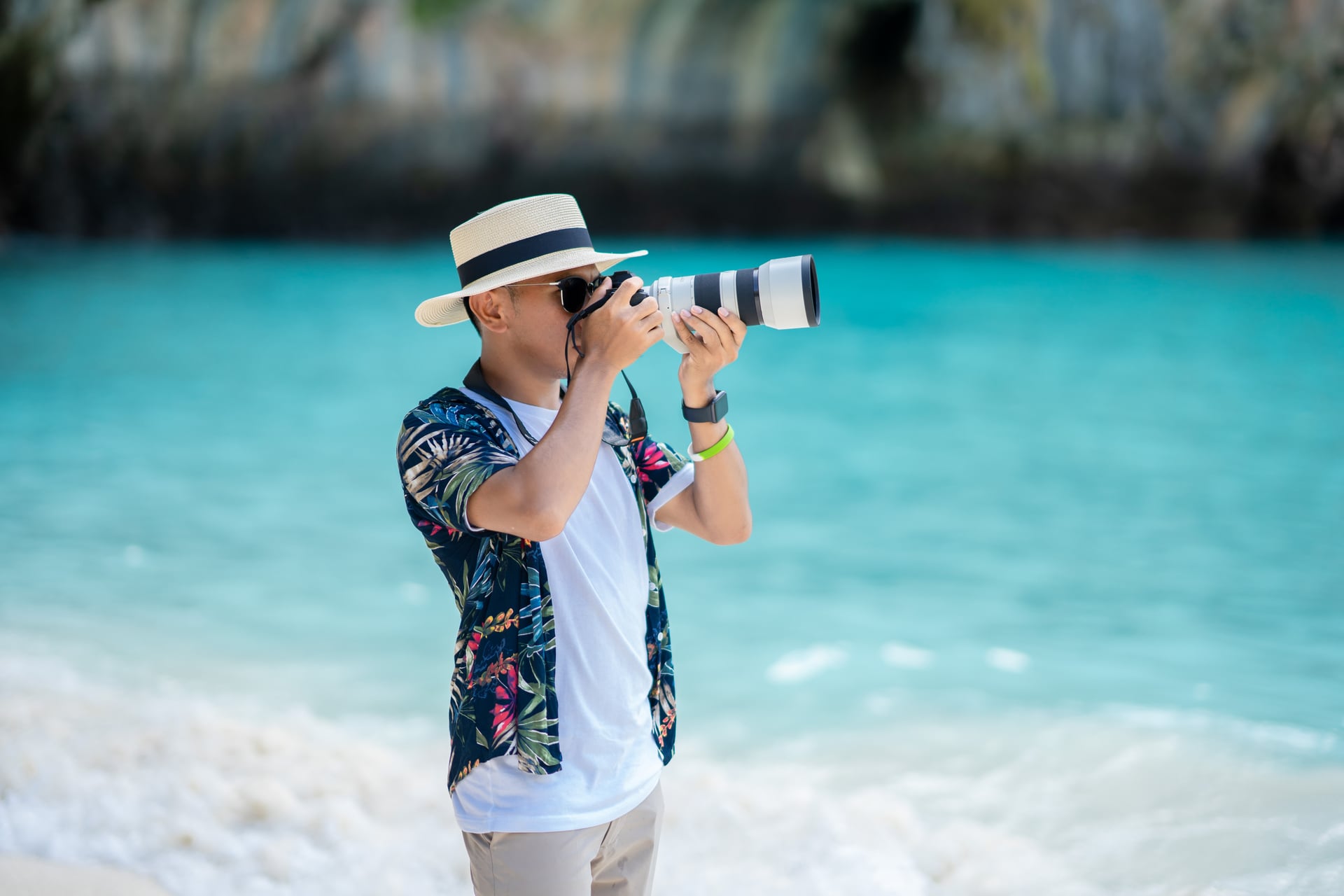
The secret to a celebrity-like portrait lies in mastering the art of posing, something that separates amateur snapshots from magazine-worthy portraits. Whether preparing for a professional headshot session or simply wanting to look better in everyday photos, understanding these techniques will transform how the camera captures you.
Master the Body Language That Creates Confident Portraits
Confident posing begins before the camera even clicks. Professional portrait subjects understand that their body language communicates as much as their facial expressions. The key is finding a balance between looking natural and creating visually appealing lines with your body.
Body language experts recognize that open, expansive postures increase feelings of confidence and power. This translates directly to portrait photography, where subjects who adopt confident stances naturally appear more engaging in their final images. Professional photographers often spend the first part of any session helping subjects find their natural confidence through proper positioning.
The foundation of confident portrait posing rests on three core principles: weight distribution, body angles, and creating space between limbs and torso. These techniques work together to create the flattering silhouettes seen in professional photography, regardless of body type or experience level.
Essential Posing Techniques Every Portrait Subject Should Know
1. Position Your Body at a 45-Degree Angle
Facing the camera straight-on displays your body at its widest point, which rarely creates the most flattering result. Professional photographers consistently recommend positioning your body at a 45-degree angle to the camera instead. This simple adjustment instantly creates a more dynamic, slimming appearance.
When angling your body, plant your feet in the 45-degree position and allow your torso to follow naturally. This positioning showcases your body's natural lines while creating visual interest that draws the viewer's eye. The technique works equally well for both standing and seated portraits.
2. Shift Weight to Your Back Leg for Natural S-Curves
Professional portrait photographers consistently advise subjects to shift their weight onto one leg rather than distributing it evenly across both feet. This weight shift creates a relaxed, natural "S-curve" through the body that appears both comfortable and visually appealing.
When shifting weight to your back leg, allow your hip to naturally follow the movement. This creates subtle curves that add dimension to your silhouette while maintaining a relaxed appearance. The front leg can then be positioned slightly forward, adding to the dynamic line created by this pose.
3. Create Space Between Arms and Torso
One of the most common posing mistakes involves pressing arms tightly against the body. This positioning makes arms appear larger than they actually are while creating a rigid, uncomfortable appearance in photographs. Professional subjects understand the importance of creating small gaps between their arms and torso.
Creating space doesn't require dramatic positioning. Simply lifting your arms slightly—about an inch or two—away from your sides makes a significant difference. This can be achieved by placing a hand on your hip, resting an arm on a nearby surface, or simply allowing your arms to hang naturally with slight separation from your body.
Face and Chin Positioning for Flattering Results
The Forward Chin Technique for Stronger Jawlines
The "forward chin technique" represents one of the most transformative posing adjustments for portrait photography. This method involves subtly pushing your chin forward and slightly down toward the camera, which eliminates the appearance of double chins while creating a defined jawline.
Though the movement feels unnatural initially, the forward chin technique works by stretching the skin under your chin and bringing your face closer to the camera lens. Professional photographers recognize this as essential for creating sharp, defined facial features in portraits. The key is making the movement subtle—dramatic chin positioning appears forced and uncomfortable.
Lean Slightly Forward from Your Waist
Professional photographers recommend a slight forward lean from the waist to complement the chin positioning technique. This movement brings your face closer to the camera while making your body appear more slender. The lean should be subtle—just an inch or two forward creates the desired effect.
This forward positioning serves multiple purposes: it naturally encourages the forward chin technique, elongates your neck, and creates the impression that your face is the closest point to the camera. This optical effect makes the body appear smaller in comparison, creating a flattering overall composition.
Lighting Secrets That Transform Amateur Shots
Lighting represents one of the most critical elements in portrait photography, with professional photographers experimenting with natural, artificial, or combined lighting to set the mood. Professional-quality portraits depend as much on proper lighting as they do on good posing techniques.
Natural Light vs. Studio Setup Benefits
Natural lighting provides the most forgiving and flattering illumination for portrait subjects, particularly when working without professional equipment. Window light offers soft, even illumination that minimizes harsh shadows while highlighting facial features naturally.
Studio setups allow for greater control over lighting direction and intensity, enabling photographers to create specific moods or dramatic effects. Professional photographers often use multiple light sources to balance illumination and avoid the harsh shadows created by single-light setups.
The Golden Hour Advantage for Outdoor Portraits
The "golden hour"—the period shortly after sunrise or before sunset—provides soft, warm, and flattering light that professional outdoor portrait photographers consider ideal. This natural lighting creates a magical glow around subjects while minimizing harsh shadows that can create unflattering facial features.
Midday sun creates harsh overhead lighting that casts unflattering shadows under the eyes and nose. Pro photographers actively avoid shooting during these hours unless they can find open shade or use additional lighting equipment to balance the harsh natural light.
Props and Movement for Dynamic Portrait Photography
Strategic Prop Selection for Better Hand Placement
Props serve dual purposes in portrait photography: they provide subjects with something to do with their hands while adding context and interest to the composition. Professional photographers select props that complement the subject's personality and the overall mood of the shoot.
Effective props include items like coffee cups, flowers, books, or clothing accessories that feel natural within the context of the portrait session. The key is selecting props that add to rather than distract from the subject, ensuring that the human element remains the focal point of the composition.
Walking and Interaction Techniques
Movement techniques, such as walking toward the camera or interacting with surroundings, add energy and naturalness to portrait photography. These movements help subjects forget about being photographed, leading to more authentic expressions and natural body positioning.
Professional photographers often direct subjects to perform simple actions, walking, adjusting their hair, or looking away and back toward the camera, to capture moments of genuine expression. These interaction techniques consistently produce more engaging portraits than static, posed shots.
Practice These Techniques to Achieve Professional-Quality Portrait Results
Mastering professional portrait posing requires practice and patience. Observational studies from professional photography sessions reveal that subjects who adopt open, confident postures before their sessions report feeling more at ease and result in more engaging final images.
The most effective approach involves practicing these techniques in front of a mirror before any professional photo session. This allows you to become comfortable with how different stances feel and look on your body, reducing the awkwardness that often accompanies formal photography sessions.
Celebrity photographer David Christopher Lee suggests gathering reference images of poses you find appealing, practicing them at home, and bringing examples to your photo session. This preparation, combined with the technical posing knowledge covered in this guide, will help you achieve the confident, professional-quality portraits you're seeking.
David's Guide
City: Huntington Beach
Address: 5267 Warner Ave
Website: http://davidsguide.com


Comments
Post a Comment