How To Clean Pation Pavers: New Jersey Experts Share Professional Techniques
Key Takeaways
- Spring cleaning removes damaging salt residue and winter buildup that can permanently stain and weaken paver surfaces
- The 50-80°F temperature range in spring provides optimal conditions for power washing without streaking or rapid solution drying
- Early spring intervention prevents costly algae and moss takeover that thrives in New Jersey's humid summer conditions
- Professional low-pressure techniques preserve joint sand integrity while DIY methods often cause expensive damage
- Proper spring cleaning and sealing significantly extend paver lifespan and protect your investment
New Jersey homeowners invest thousands of dollars in beautiful paver installations for driveways, patios, and walkways. However, New Jersey's harsh winters and humid coastal climate create challenging conditions that can destroy these surfaces if proper spring maintenance isn't performed. Understanding the specific benefits of spring paver cleaning can save homeowners from costly repairs and premature replacement. The outdoor cleaning experts at Affordable & Professional Window & Gutter Cleaning PowerWashing Services explain.
Why Spring Power Washing Transforms Pavers After Winter
Winter weather creates a devastating combination of contaminants that settle deep into paver surfaces. The freeze-thaw cycles common in New Jersey cause microscopic cracks that allow salt, road chemicals, and organic matter to penetrate beyond the surface level. If not addressed in spring, these embedded contaminants continue to cause damage that can permanently affect expensive paver installations.
Professional spring cleaning uses specialized techniques and solutions that break down and remove embedded contaminants before they cause irreversible staining or structural damage. Properties receiving proper spring paver treatment maintain their original appearance and structural integrity significantly longer than neglected surfaces.
The transformation achieved through professional spring cleaning often surprises homeowners who assumed their pavers had permanently lost their original color. Proper cleaning techniques can restore surfaces to near-original condition, dramatically improving curb appeal and property value after just one treatment.
Salt Damage and Winter Buildup Threaten Your Paver Investment
The combination of natural salt air and road deicing chemicals creates an aggressive environment that can destroy paver surfaces within just a few seasons without proper maintenance.
1. Coastal Salt Residue Accelerates Deterioration
Salt residue from coastal air penetrates paver surfaces and begins breaking down binding agents within the stone or concrete matrix. This process accelerates during winter months when freeze-thaw cycles force salt solutions deeper into microscopic pores. By spring, this embedded salt has begun crystallizing and expanding, creating internal pressure that leads to surface spalling and premature aging.
Professional spring cleaning uses specialized neutralizing solutions that dissolve and remove these salt deposits before they cause permanent damage. Standard garden hose rinsing may not penetrate deeply enough to effectively address embedded salt contamination, which often requires specialized solutions and techniques.
2. Road Grime Creates Stubborn Staining
Winter road treatments, vehicle exhaust, and organic debris contribute to stubborn stains that can become deeply embedded in paver surfaces. These stains can become increasingly difficult to remove over time, especially as they set in with warmer temperatures. Oil-based stains from snow plows and road maintenance equipment can penetrate deeply into porous paver materials, creating permanent discoloration if not addressed promptly.
Professional-grade cleaning solutions and techniques can break down these staining compounds while they're still removable, preventing the need for costly surface replacement or restoration.
3. Freeze-Thaw Cycles Weaken Joint Sand
New Jersey's winter freeze-thaw cycles create devastating effects on paver joint sand. Water penetrates joints, freezes overnight, expands, and gradually loosens the sand that provides structural stability to paver installations. Loose or missing joint sand allows pavers to shift, creating uneven surfaces and allowing weed growth to begin.
Spring cleaning identifies areas where joint sand has been compromised and allows for proper restoration before structural problems develop. This preventive approach costs significantly less than major paver realignment or replacement.
Spring Temperature Windows Create Optimal Cleaning Conditions
Timing matters significantly when cleaning paver surfaces in New Jersey's variable climate. Spring provides a narrow window of optimal conditions that maximize cleaning effectiveness while minimizing risk of damage or poor results.
1. 50-80°F Range Prevents Solution Streaking
Professional cleaning solutions require specific temperature ranges to work effectively without leaving residue or streaking. New Jersey's spring temperatures typically provide the ideal 50-80°F range that allows cleaning solutions to work properly without evaporating too quickly or becoming inactive due to cold.
When temperatures are too high, cleaning solutions can evaporate too quickly, potentially leaving residue and reducing their effectiveness in penetrating and removing embedded contaminants. Below 50°F, the effectiveness of cleaning solutions can be dramatically reduced, potentially leading to less thorough cleaning.
2. Proper Drying Time Reduces Mold Return
Spring's moderate humidity levels allow cleaned paver surfaces to dry thoroughly before summer's high humidity creates conditions that promote rapid mold and algae return. Proper drying is essential for effective sealing applications that protect pavers through the challenging summer months.
Summer cleaning often fails because high humidity prevents complete drying, trapping moisture that encourages biological growth. Fall cleaning can be effective but leaves pavers vulnerable through winter weather without proper protection.
Professional vs DIY: Why Technique Matters for Paver Surfaces
Many homeowners attempt paver cleaning as a DIY project, often causing expensive damage that requires professional restoration. Understanding the technical requirements for safe, effective paver cleaning reveals why professional techniques deliver superior results.
Low-Pressure Methods Preserve Joint Integrity
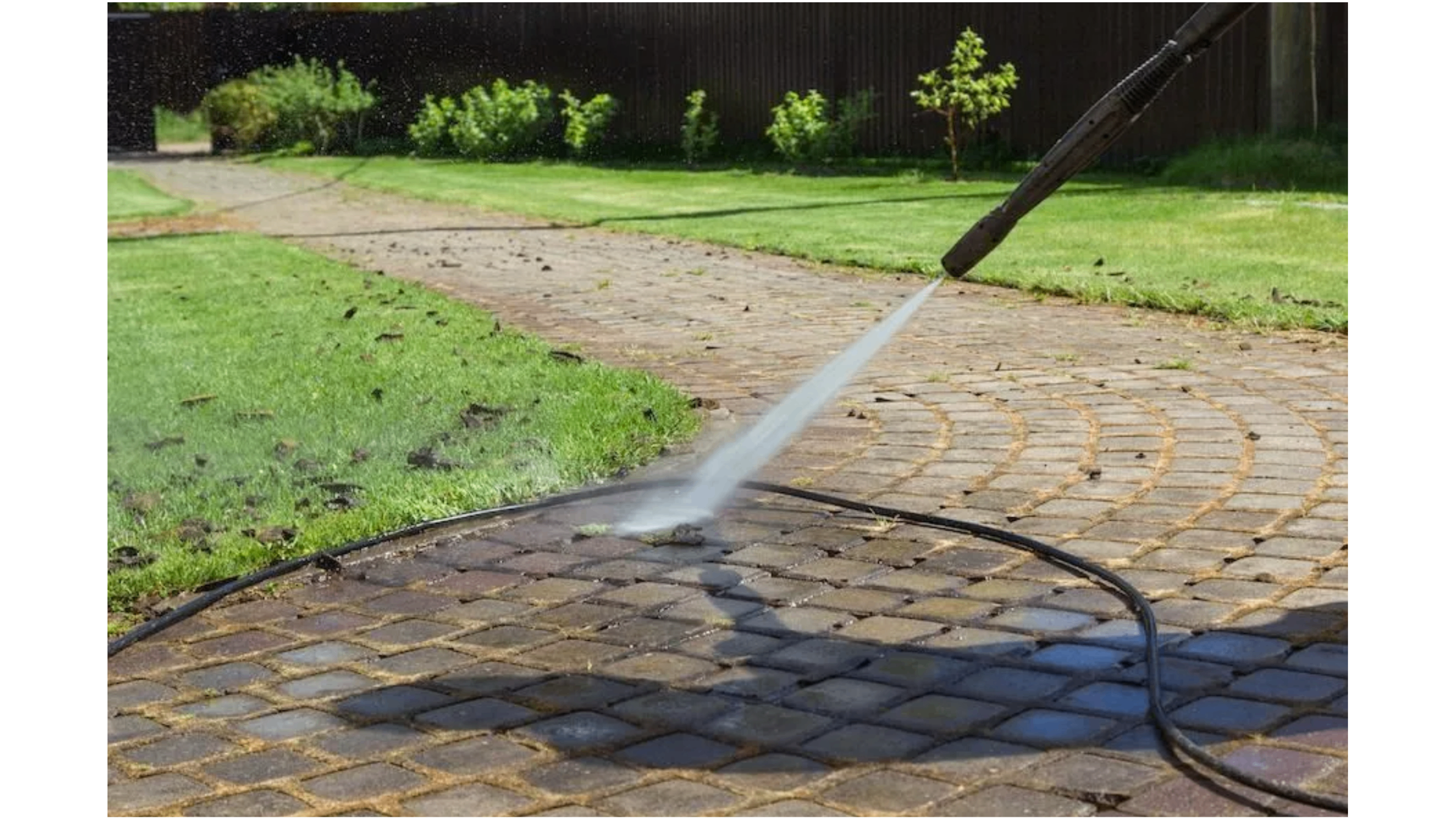
Paver surfaces require specialized low-pressure cleaning techniques that remove contaminants without damaging joint sand or surface texture. Standard pressure washers typically operate at 2,000-3,000 PSI, which can blast joint sand from between pavers and etch softer stone surfaces.
Professional soft washing techniques use pressures below 500 PSI combined with specialized cleaning chemistry to achieve superior cleaning results without structural damage. This approach removes embedded contaminants that high-pressure methods cannot address while preserving the integrity of joint sand and surface finish.
Specialized Detergents Target Organic Growth
Different types of paver contamination, such as algae, moss, lichen, oil stains, and mineral deposits, require specific chemical treatments for effective removal. Each type responds to different cleaning solutions designed for its particular characteristics.
Professional cleaning services maintain inventories of specialized detergents formulated for specific contamination types and paver materials. This targeted approach achieves complete contamination removal while minimizing environmental impact and surface damage risk.
Spring Cleaning Prevents Costly Summer Algae and Moss Takeover
Humid summers create ideal conditions for explosive algae and moss growth on paver surfaces. Spring cleaning provides the critical window for preventing this biological takeover before it becomes established and expensive to control.
1. Early Intervention Stops Growth Development
Early spring cleaning is vital for removing existing algae and moss and inhibiting their growth before they become established, as they reproduce via spores and thrive in damp conditions. These organisms are easily removed during spring cleaning, but become increasingly difficult to eliminate once they begin active growth phases.
Professional spring treatments eliminate existing growth and apply preventive treatments that inhibit new development through the growing season. This proactive approach prevents the need for multiple summer treatments that disrupt outdoor living activities.
2. Humidity Protection Through Proper Sealing
Spring cleaning prepares paver surfaces for effective sealing applications that provide barriers against moisture penetration during humid summer months. Proper sealing significantly reduces biological growth by limiting the moisture availability that algae and moss require for development.
Sealing applications require completely clean, dry surfaces for proper adhesion and effectiveness. Spring offers ideal conditions for sealing, with moderate temperatures and lower humidity, which are often more favorable than the high humidity of summer or the unpredictable weather of late fall.
3. Weed Prevention at Root Level
Spring cleaning removes organic debris and loose joint sand that provide a growing medium for weed seeds. Professional joint sand replacement and stabilization create barriers that prevent weed root development while maintaining paver structural integrity.
Early spring weed prevention costs significantly less than summer weed removal and prevents the root damage that can displace pavers and create expensive repair requirements.
Schedule Your Paver Restoration Before Summer Heat
New Jersey homeowners have a limited window each spring for optimal paver cleaning conditions. Scheduling professional cleaning during this ideal period ensures maximum effectiveness and prepares outdoor living spaces for heavy summer use.
Early scheduling gives first choice of ideal dates and ensures availability during optimal weather conditions. It also allows time for any necessary repairs or additional treatments before summer entertaining seasons begin. The investment in professional spring paver cleaning pays dividends through extended surface life, maintained property values, and reduced long-term maintenance costs.
Properties that receive regular spring maintenance retain their original appearance and functionality significantly longer than those that rely on reactive cleaning approaches. Professional maintenance protects your investment and keeps outdoor spaces looking their best throughout the year.
Affordable & Professional Window & Gutter Cleaning PowerWashing Services
City: Freehold
Address: 18 Willow Brook Rd
Website: https://www.affordable-and-professional.com/


Comments
Post a Comment