How to Choose Hair Color for Thinning Hair: Multi-Dimensional Depth Adds Volume
Key Takeaways
- Multi-dimensional color techniques create the illusion of volume and depth by using multiple shades instead of single-process color.
- Root shadowing and baby lights can transform sparse areas by adding natural dimension to thinning hair.
- Strategic highlight placement with foil techniques, balayage, and color melting maximizes the perception of thickness.
- Professional application is essential to avoid common mistakes that can make thin hair appear even flatter.
- Gentle, ammonia-free formulas and color-safe products protect fragile, thin hair while achieving dimensional results.
Thinning hair doesn't have to limit styling options or confidence levels. The right hair color approach can transform sparse strands into hair that appears fuller, thicker, and more vibrant. Understanding which coloring techniques work best for fine or thinning hair makes all the difference between achieving stunning results and inadvertently highlighting problem areas.
Multi-Dimensional Color Creates Instant Volume Illusion
Single-process hair color applies one uniform shade across all strands, creating a flat appearance that makes thinning hair look even thinner. Multi-dimensional coloring takes the opposite approach, strategically placing various shades and tones throughout the hair to create depth and movement. This technique gives hair a thicker, fuller appearance by mimicking how natural light hits healthy, dense hair.
And the best part? Multi-dimensional colors are bang on trend for 2026 according to the latest predictions from leading fashion magazines, Glamour and Vogue. Celebrity stylists are promoting a mix of cool, neutral tones that incorporate high- and low-lights, which is the perfect combination for making hair appear thicker and fuller through "hair contouring".
The magic happens through contrast and depth perception. When lighter and darker tones are woven together, they create shadows and highlights that fool the eye into seeing more hair than actually exists. Volumizing sprays and other hair products can enhance these dimensional effects while providing additional volume. Certain multi-dimensional techniques, such as balayage and root shadowing, prove particularly effective for those seeking an illusion of thickness without committing to frequent salon maintenance visits.
Multi-dimensional color enhances natural hair movement, sculpting facial features and maintaining a fresh look with fewer touch-ups than single-process coloring. The technique can incorporate a combination of base color, highlights, and lowlights to achieve maximum impact, creating richness and complexity that single-tone color simply cannot match.
Root Shading and Shadow Techniques Transform Sparse Areas
Root shading and shadow techniques specifically address the most problematic areas for thinning hair: the scalp and hairline. These methods create depth exactly where it's needed most, camouflaging sparse areas while adding natural-looking dimension.
Root Shadowing for Natural Depth
Root shadowing involves blending natural root color into the rest of the hair, creating a seamless transition and an illusion of depth that makes hair appear thicker and more textured. This technique works by applying a darker shade at the roots and gradually blending it into the existing hair color. The result eliminates harsh lines between new growth and colored hair while creating the appearance of fuller roots.
Professional colorists can customize root shadowing to complement individual skin tones, eye colors, and personal style preferences. The darker root area creates a shadow effect, making the scalp less visible in thinning areas. As hair grows, this technique maintains its effectiveness longer than traditional coloring methods, requiring fewer touch-up appointments.
Baby Lights for Ultra-Fine Dimension
Baby lights represent the most delicate highlighting technique available for fine hair. These ultra-fine, subtle highlights add dimension and lift to individual strands without overwhelming the hair's natural texture. Unlike traditional highlights that can create harsh contrasts, baby lights work by placing tiny ribbons of lighter color throughout the hair.
This technique proves especially effective for fine hair because it adds brightness and movement without creating visible sectioning or weight. Baby lights make hair appear fuller and more vibrant while maintaining a natural appearance that grows out gracefully. The placement requires expert precision, as the highlights must be fine enough to improve without overpowering the base color.
Strategic Highlight Placement Maximizes Thickness Perception
The placement of highlights can dramatically impact how thick hair appears. Strategic positioning creates maximum visual impact while maintaining natural-looking results.
Foil Highlights for Targeted Dimension and Thickness Perception
Foil highlights allow for precise control over color placement, making them ideal for creating targeted volume effects. This technique can create a sense of lift at the roots through strategic lightening, resulting in a brightened, textured look with maximum volume and the illusion of thickness. Foil placement can be customized to focus on areas where thinning is most noticeable.
The controlled lightening process ensures consistent results while protecting surrounding hair from unnecessary processing. Professional colorists can vary the thickness and spacing of foil highlights to create different visual effects, from subtle improvement to dramatic transformation. This precision makes foil highlighting particularly valuable for addressing specific thinning patterns.
Balayage for Low-Maintenance Volume
Balayage offers a freehand approach to highlighting that creates natural-looking dimension with minimal maintenance requirements. This technique features a gradual transition from darker roots to lighter ends, adding volume at the roots while creating movement throughout the length. The hand-painted application ensures that highlights follow the hair's natural fall patterns.
Ombre and sombré techniques introduce depth and dimension without overwhelming natural color. These gradual color transitions reduce the need for frequent touch-ups while maintaining the illusion of fuller hair. The darker root area helps camouflage thinning while the lighter ends create the appearance of increased density.
Color Melting for Seamless Blending
Color melting represents the latest evolution in dimensional coloring techniques. This method seamlessly blends different shades, producing a soft, flowing effect that adds volume and texture to fine hair while maintaining a completely natural appearance. The technique works by overlapping colors so they melt together without visible lines or sections.
Professional application ensures that color transitions appear completely natural, as if created by sun exposure rather than chemical processing. This seamless blending creates depth and movement that makes hair appear significantly fuller while requiring minimal maintenance between appointments.
Single-Process Color Makes Thinning Hair Look Flatter
Single-process coloring involves applying one uniform color to the entire head of hair, creating a flat, one-dimensional appearance that emphasizes thinning rather than disguising it. This approach lacks the depth and complexity that multi-dimensional techniques provide, making sparse areas more noticeable rather than less visible.
The uniform color application creates no variation in light reflection, resulting in hair that appears lifeless and thin. Without highlights and lowlights to create shadow and depth, single-process color cannot create the illusion of volume that thinning hair desperately needs. Additionally, the harsh line of demarcation between roots and colored hair becomes very apparent as new growth appears, requiring frequent touch-ups to maintain the look.
Gentle Formulas Protect Fragile Thin Hair
Thinning hair often becomes more fragile and prone to damage, making formula selection vital for achieving desired results while maintaining hair health.
Choose Ammonia-Free Options
Ammonia-free hair color formulas provide gentler processing while still achieving excellent color results. These formulations reduce the risk of further weakening already fragile thin hair while providing the dimensional color effects needed to create volume illusions. Professional-grade ammonia-free colors often contain conditioning agents that actually improve hair health during the coloring process.
Minimize Peroxide Levels
Using the lowest effective peroxide levels helps preserve hair integrity while achieving desired lightness. Professional colorists can determine the minimum peroxide concentration needed for specific color goals, protecting thin hair from unnecessary damage. Lower peroxide levels also reduce scalp irritation, which can be particularly important for those experiencing hair loss.
Seek Nourishing Ingredients
Modern hair color formulations often include nourishing ingredients such as keratin, argan oil, and botanical extracts that improve hair condition during processing. These ingredients help strengthen thin hair while achieving color goals, making the hair appear healthier and fuller. Glossing treatments can improve color vibrancy while adding shine, smoothing the hair cuticle, and reducing frizz.
Professional Application Prevents Common Thin Hair Color Mistakes
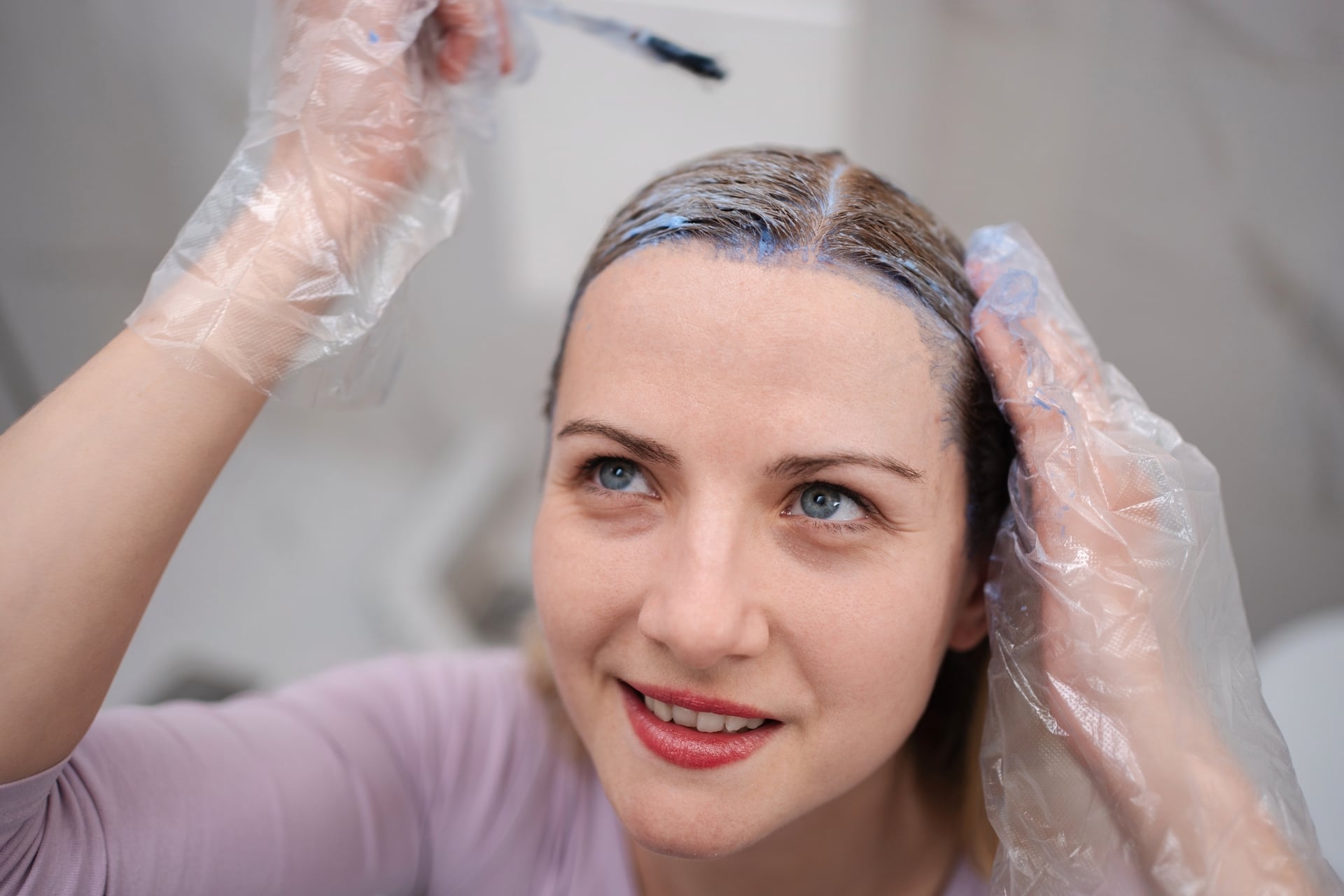
Professional colorists understand the unique challenges of coloring thinning hair and can avoid common mistakes that might make the problem worse. DIY coloring attempts often result in uneven application, incorrect color choices, or over-processing that further damages fragile hair.
Professional application ensures proper sectioning, timing, and formula selection specifically suited to individual hair types and thinning patterns. Colorists can assess scalp visibility and adjust techniques accordingly, ensuring that color placement improves rather than emphasizes problem areas. They also understand how different colors interact with various skin tones, preventing choices that might make thinning more noticeable.
Expert colorists can also recommend complementary treatments and home care routines that support both hair health and color longevity, maximizing the investment in professional services while protecting fragile hair from future damage. Follow professional advice and use color-safe products to support hair growth and keep color lasting longer.
Trybello LLC
City: Miami
Address: 40 SW 13th St
Website: https://trybello.com/


Comments
Post a Comment