How Long to Walk on Treadmill for Max Calorie Burn? Experts Say 2.5 Hours Weekly
Key Takeaways
- Walking 2.5 hours weekly (150 minutes) can significantly reduce belly fat when combined with proper nutrition, as supported by research from major health organizations.
- High-intensity interval training (HIIT) and incline walking can boost calorie burn, with incline walking at 10% grade increasing energy expenditure by up to 113% compared to flat surface walking.
- Proper walking form and consistency matter more than duration alone - specific techniques maximize belly fat reduction results.
- Advanced treadmill features like precise incline controls and cushioned decks enable longer, more comfortable fat-burning sessions without joint stress.
With 2026 in full swing, HUM Nutrition's The WellNest Blog states that belly fat reduction stands among the single biggest resolutions that people strive for each year - and this year is no different. Yet, experts insist that losing belly fat doesn't require hours of daily exercise. Research consistently shows that a structured approach to treadmill walking can deliver meaningful results - when paired with the right techniques and realistic expectations.
2.5 Hours Weekly: The Research-Backed Duration for Belly Fat Loss
The American College of Sports Medicine recommends at least 150 minutes per week of moderate-intensity activity for general health benefits, increasing to at least 250 minutes per week for weight loss. This translates to roughly 2.5 hours of brisk walking weekly - a manageable commitment that research shows can produce notable belly fat reduction.
A 2024 meta-analysis published in JAMA Network Open concluded that a minimum of 150 minutes per week of moderate-intensity aerobic exercise is associated with notable reductions in waist circumference and body fat. Walking regularly contributes to weight loss by burning calories, with one study indicating that walking 1 mile burns approximately 80-100 calories on average, varying based on body weight and walking pace.
For those seeking enhanced results, the Physical Activity Guidelines for Americans suggest exceeding 300 minutes of exercise per week for significant weight loss and effective long-term weight management. More detailed guidance is available on structuring effective treadmill routines that align with these evidence-based recommendations.
Why Belly Fat Matters
Visceral abdominal fat poses significant health risks beyond aesthetic concerns, making its reduction a priority for long-term wellness. This type of fat sits around internal organs and actively contributes to inflammation and metabolic dysfunction.
Health Risks of Visceral Fat
Excess abdominal fat increases the risk of cardiovascular disease, type 2 diabetes, and metabolic syndrome. Unlike subcutaneous fat that sits just under the skin, visceral fat produces inflammatory compounds that interfere with normal hormone function and insulin sensitivity. Research consistently links higher waist circumference measurements to elevated blood pressure, cholesterol levels, and overall mortality rates.
Waist Circumference Guidelines
Health professionals use specific measurements to assess abdominal obesity risk. For women, increased risk starts at waist circumference ≥ 80 cm (31.5 inches), while substantially increased risk begins at ≥ 88 cm (35 inches). Men face increased risk at ≥ 94 cm (37 inches), with substantially increased risk at ≥ 102 cm (40 inches). These measurements serve as practical monitoring tools, though individual health factors and ethnicity can influence risk thresholds.
Walking Duration Strategies That Work
Effective belly fat reduction through walking requires strategic planning rather than random exercise sessions. Research provides clear frameworks for optimizing walking duration and frequency.
The 20-30 Minutes Daily Approach
Breaking the weekly 150-minute target into daily sessions of 20-30 minutes proves most sustainable for long-term success. This approach allows for consistent habit formation while providing adequate recovery time between sessions. Research suggests that 2.5 hours of brisk walking per week may significantly contribute to lower risks of type 2 diabetes when maintained consistently.
Enhanced Results Beyond 150 Minutes Weekly
Extending weekly walking time to 250-300 minutes can accelerate fat loss results. Longer sessions of 60 to 90 minutes performed twice weekly allow the body to utilize fat as an energy source more effectively during extended exercise periods. This approach particularly benefits individuals with higher initial body fat percentages or those seeking faster progress.
Weekly Activity Guidelines
A consistent, long-term walking program has been shown to effectively decrease total body fat, particularly visceral fat. The key lies in maintaining moderate intensity throughout sessions while gradually increasing duration as fitness improves. Most successful programs combine shorter daily walks with longer weekend sessions to meet weekly targets without overwhelming schedules.
Boosting Calorie Burn with Smart Techniques
Basic walking burns calories, but strategic modifications can dramatically increase energy expenditure and accelerate belly fat reduction.
1. HIIT Protocols for Treadmill Walking
High-Intensity Interval Training has been shown to offer meaningful benefits in reducing abdominal and total body fat in approximately half the time required by steady-state training programs. Research indicates that cardiac rehabilitation patients who followed a HIIT regimen experienced greater reductions in abdominal fat and overall body fat, along with increased muscle mass, compared to those doing moderate-intensity workouts.
Effective HIIT walking protocols include alternating between 30 seconds of brisk pace followed by 1 minute of moderate walking, repeated for 20-30 minutes. Another approach involves 2 minutes of normal walking followed by 1 minute of increased speed, continuing this cycle throughout the session.
2. Incline Walking Benefits
Incline walking can significantly increase calorie expenditure, with research demonstrating a 52% increase at a 5% incline and a 113% increase at a 10% incline compared to walking on a flat surface. A study in the International Journal of Exercise Science found that incline walking burned 40% of its calories from fat, compared to running which burned 33% from fat, despite expending the same total calories.
The popular 12-3-30 method (12% incline at 3 mph for 30 minutes) exemplifies how incline modifications can intensify relatively short walking sessions. This technique also engages more muscle groups, as maintaining stability on inclines requires increased muscular effort throughout the body.
3. Speed and Intensity Variations
Varying walking speed throughout sessions prevents adaptation and maintains elevated calorie burn. Effective variations include pyramid intervals (gradually increasing then decreasing speed), random speed changes every 3-5 minutes, and incorporating brief jogging intervals for those with appropriate fitness levels. These modifications keep the cardiovascular system challenged while preventing workout monotony.
Key Elements for Maximum Results
Walking technique and supporting lifestyle factors determine whether treadmill sessions translate into meaningful belly fat reduction.
Proper Walking Form
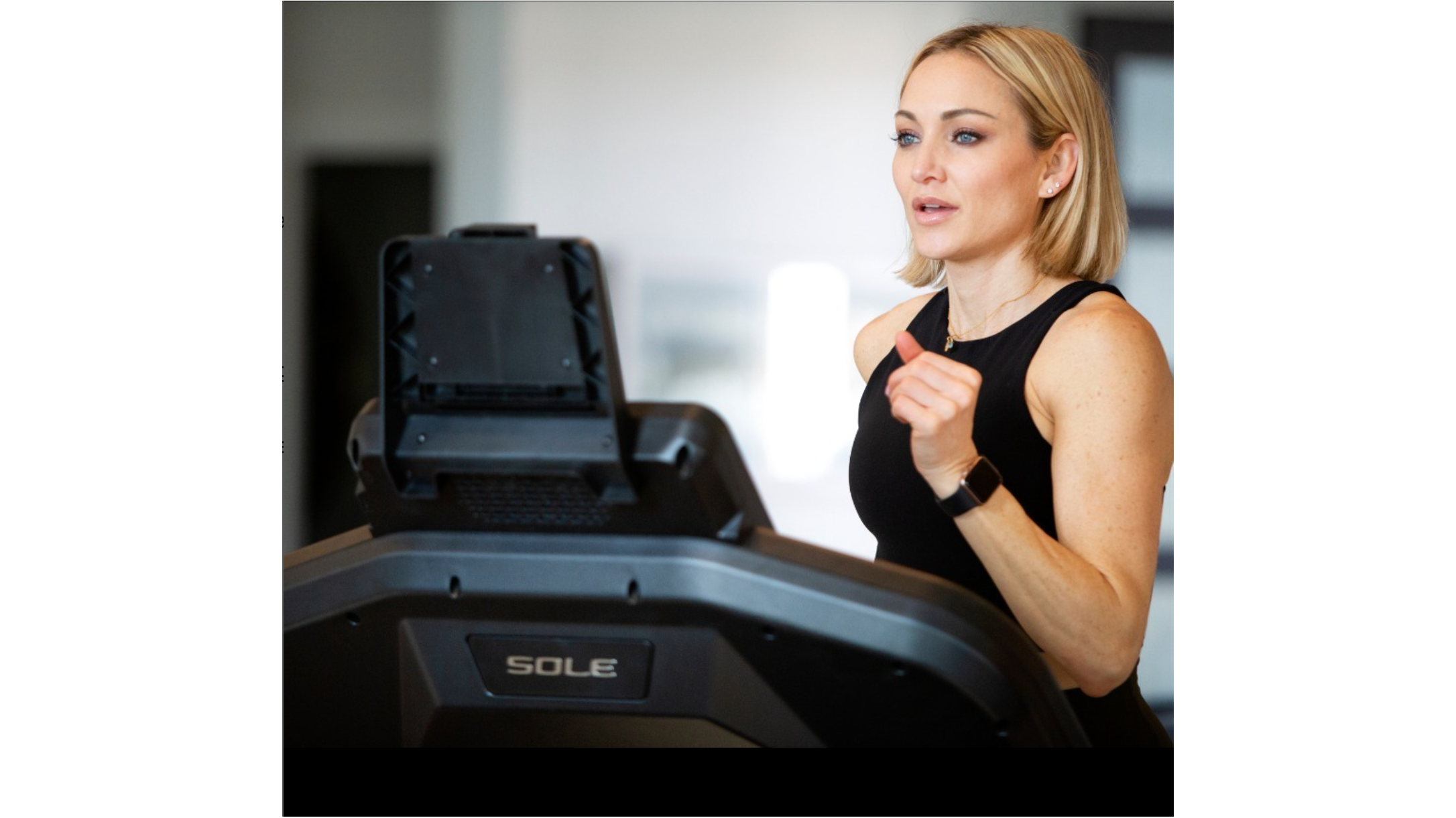
Correct posture maximizes calorie burn while preventing injury during longer sessions. Maintain an upright posture with shoulders relaxed and pulled back slightly. Keep the head up with eyes looking forward, not down at feet. Engage the core by gently drawing the navel toward the spine while maintaining natural breathing. Arms should swing naturally with elbows bent at approximately 90 degrees, coordinating with the opposite leg movement.
Nutrition Requirements
Effective belly fat reduction is best achieved through a combination of a balanced, nutrient-dense diet and regular exercise, including both aerobic activity and strength training. Focus on whole foods, lean proteins, healthy fats, and complex carbohydrates while reducing intake of highly processed foods and added sugars. Proper hydration before, during, and after walking sessions supports optimal performance and recovery.
Recovery and Consistency
Beyond exercise and diet, factors such as adequate sleep and effective stress management play a significant role in influencing weight loss and the reduction of belly fat. Aim for 7-9 hours of quality sleep nightly, as sleep deprivation disrupts hormones that regulate hunger and fat storage. Allow adequate recovery time between intense sessions while maintaining regular light activity on rest days.
Treadmills Deliver Advanced Fat-Burning Features
Modern treadmills provide the advanced features needed to maximize walking workouts beyond basic treadmill capabilities. Their incline precision, decline capabilities, and cushioning technology enable more intensive and joint-protective training that maximizes calorie burn during weekly 150-minute commitments.
Advanced consoles also track needed metrics like calories burned, distance covered, and workout intensity - critical data for monitoring belly fat reduction progress. Meanwhile, many accompanying apps provide guided workouts with specific programs designed for core strengthening and fat burning, taking the guesswork out of effective training protocols.
Experts offer a reminder: it's not possible to target fat loss from specific body parts. Instead, lowering overall body fat through consistent moderate-intensity physical activity and a healthy diet will lead to a decrease in belly fat. Crucially, the aforementioned 2.5-hour weekly walking commitment on modern treadmill offerings, when executed with proper intensity and consistency, provides a sustainable foundation for long-term belly fat reduction and improved overall health.
SOLE Fitness
City: Salt Lake City
Address: 56 Exchange Pl.
Website: https://www.soletreadmills.com/


Comments
Post a Comment