How Furnace Replacement Cost in Colorado Springs is Affected by Altitude
Key Takeaways
- Colorado Springs' 6,035-foot elevation requires specialized furnace adjustments. High-altitude capable equipment often costs 10-20% more than standard equipment due to special certifications and components
- High-altitude furnaces need derating, orifice modifications, and certified equipment kits to operate safely in thinner air
- Professional installation with combustion testing is non-negotiable due to serious carbon monoxide risks
- Expect total costs ranging from $4,200-$6,500 for mid-efficiency models and $8,000+ for high-efficiency units
- Variable-speed blowers and proper BTU sizing become crucial for consistent heating performance at altitude
Living in Colorado Springs means dealing with unique HVAC challenges that homeowners at sea level never encounter. The thin mountain air that makes the area so beautiful also creates specific requirements for furnace replacements that directly impact both safety and cost.
Why Colorado Springs' 6,035-Foot Elevation Increases Your Furnace Replacement Cost Due to Equipment Premiums and Extended Labor
The reduced oxygen levels at Colorado Springs' elevation create a perfect storm of complications for gas furnaces. At over 6,000 feet above sea level, the air contains approximately 20% less oxygen than at sea level, which means standard furnaces designed for lower elevations simply can't burn fuel efficiently or safely without modifications.
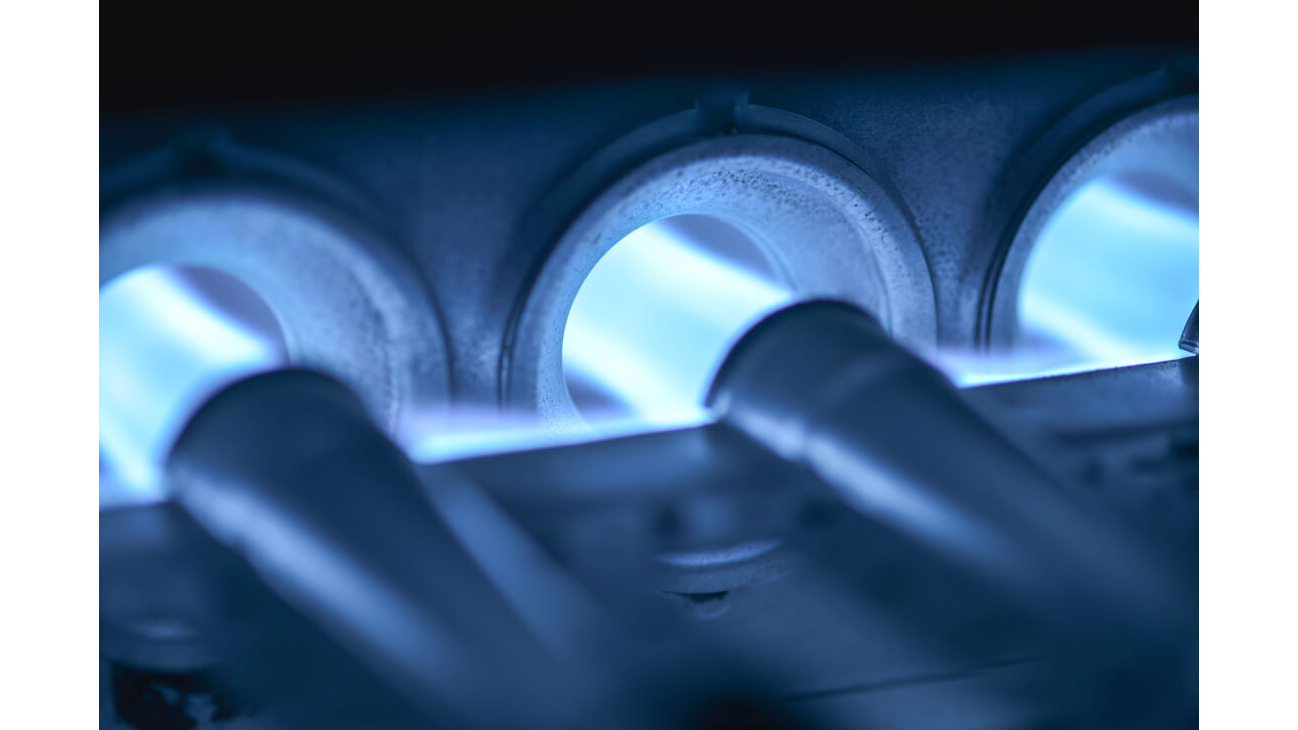
This thinner air affects every aspect of furnace operation, from combustion efficiency to heat transfer rates. Gas burners that work perfectly in Denver suburbs struggle to maintain proper flame patterns in Colorado Springs, leading to incomplete combustion, higher fuel consumption, and potentially dangerous carbon monoxide production. Understanding these altitude-specific cost factors helps Colorado Springs homeowners budget accurately for their furnace replacement needs.
The National Fuel Gas Code mandates specific adjustments for furnaces operating above 2,000 feet, but Colorado Springs' elevation pushes these requirements to their limits. Technicians must implement derating procedures that reduce furnace input by 4% for every 1,000 feet above sea level—translating to a 24% reduction for Colorado Springs installations. This derating ensures safe combustion but requires specialized knowledge and additional labor time.
Required High-Altitude Equipment and Modifications Drive Up Equipment Costs
Specialized High-Altitude Kits and Certified Equipment Add 10-20% Premium
High-altitude furnace installations require manufacturer-specific conversion kits that aren't included with standard units. These kits contain precision-engineered components like smaller burner orifices, upgraded pressure switches for condensing models, and modified gas valve springs. The kits themselves cost between $100-$300, but the real expense comes from the certified equipment required to operate safely at altitude.
Manufacturers charge premiums for altitude-certified furnace models because they undergo additional testing and certification processes. Units must demonstrate safe operation in low-oxygen environments and meet stricter efficiency standards after derating. This certification process adds 10-20% to the base equipment cost compared to sea-level models.
BTU Sizing Calculations Require Proper Nameplate Selection to Compensate for Altitude Derating
Proper furnace sizing at high altitude is more complex than standard Manual J calculations. While Manual J accounts for factors like reduced air density affecting infiltration, the primary adjustment involves selecting a furnace with a higher nameplate BTU rating to compensate for the mandatory derating of its input capacity at altitude.
For example, if a home requires 100,000 BTU of heating output, a furnace with a significantly higher nameplate BTU rating must be selected. Considering a 24% derating for Colorado Springs' elevation, a 140,000 BTU nameplate furnace would be derated to a 106,400 BTU input unit, delivering approximately 102,144 BTU of heating output at 96% efficiency. This ensures the furnace can meet the home's actual heating demand after altitude adjustments.
Variable-Speed Blowers Play a Crucial Role in Proper Airflow Management
Variable-speed blower motors become essential rather than optional at Colorado Springs' elevation. These advanced motors can adjust airflow rates to compensate for the thinner air, maintaining consistent heating throughout the home despite reduced air density. Standard single-speed blowers often struggle to move adequate air volume through ductwork in high-altitude installations.
The efficiency benefits multiply at altitude—variable-speed models can reduce energy consumption by up to 20% compared to single-speed alternatives. This efficiency gain helps offset the higher upfront costs over the furnace's lifespan. The improved airflow control also reduces hot and cold spots that commonly plague high-altitude homes with improperly sized equipment.
Complex Installation Requirements Increase Labor Time and Costs
Derating and Orifice Adjustments Require Specialized Technical Skills
High-altitude furnace installation demands technicians with specific training and certification in altitude adjustments. The process involves removing burner assemblies, replacing main burner orifices with smaller sizes (typically changing from drill size #50 to #51 for elevations between 5,000-8,000 feet), and adjusting gas pressures to achieve proper fuel-air ratios.
Each manufacturer provides elevation-specific orifice charts, but technicians must understand how to read these tables and select appropriate components for Colorado Springs' specific elevation. Installation mistakes during orifice replacement can result in dangerous flame patterns, incomplete combustion, or equipment damage. This specialized work typically adds 1-3 hours to standard installation times.
Mandatory Combustion Testing and Safety Verification
Every high-altitude installation requires thorough combustion analysis using professional-grade equipment. Technicians must verify oxygen levels between 7-9%, carbon monoxide readings below 100 parts per million, and overall combustion efficiency meets manufacturer specifications after altitude adjustments.
This testing process takes 30-60 minutes and requires expensive analyzers that many general contractors don't own. The analysis must be repeated after any adjustments to ensure safe operation. Failed tests require additional modifications and re-testing, potentially extending installation time significantly. Annual combustion testing becomes vital for ongoing safety verification in high-altitude installations.
Standard Permit Requirements and PPRBD Inspection Compliance
The Pikes Peak Regional Building Department requires mechanical permits for all furnace replacements, with fees ranging from $85-$200 depending on project value. Permit applications must include equipment specifications and Manual J load calculations for new installations, adding administrative time to the project.
PPRBD inspections specifically verify altitude adjustments during final approval. Inspectors check for proper orifice modifications, altitude labeling, and combustion safety compliance. Non-compliant installations result in failed inspections, requiring corrections and re-inspection fees. This regulatory oversight ensures safety but adds complexity and potential delays to the installation process.
Safety Risks of Improper Installation Make Professional Service Non-Negotiable
Carbon Monoxide Dangers from Incomplete Combustion
Improperly adjusted furnaces at high altitude pose serious carbon monoxide risks due to fuel-rich combustion in oxygen-poor environments. Without proper derating and orifice adjustments, furnaces produce incomplete combustion that generates dangerous CO levels. The thinner air also affects venting performance, potentially causing combustion gases to spill back into living spaces.
Carbon monoxide detectors provide backup protection, but they cannot prevent the root cause of CO production from improperly burning furnaces. Symptoms of CO exposure—headaches, dizziness, nausea—can be mistaken for altitude sickness, making proper furnace adjustment critical for family safety. Professional combustion analysis is the only reliable way to verify safe operation.
Risk of Warranty Voidance from DIY or Unauthorized Modifications
Furnace manufacturers specifically void warranties for units modified by unlicensed technicians or installed without proper altitude adjustments. These warranties typically provide 10-20 years of heat exchanger coverage and 5 years on parts—valuable protection that DIY modifications eliminate entirely.
Insurance companies may also deny claims for damage caused by improperly installed or modified heating equipment. The combination of voided manufacturer warranties and potential insurance complications makes professional installation with certified altitude kits essential for protecting both safety and financial interests.
What to Expect: Colorado Springs Furnace Replacement Costs Range $4,200-$8,000+
Mid-Efficiency Models: $4,200-$6,500 Including Altitude Adjustments
Standard efficiency furnaces (80-85% AFUE) with altitude modifications typically cost between $4,200-$6,500 installed in Colorado Springs. This represents a 5-15% premium over national averages due to altitude-specific requirements. The cost includes the furnace unit, high-altitude conversion kit, specialized labor for modifications, and mandatory combustion testing.
These installations work well for homeowners seeking reliable heating without maximum efficiency features. Mid-efficiency models still provide dependable service when properly derated and adjusted for altitude. The lower upfront cost makes them attractive for budget-conscious replacements, though operating costs remain higher than more efficient alternatives.
High-Efficiency Units: $8,000+ with Advanced Features
High-efficiency condensing furnaces (95%+ AFUE) command premium prices starting around $8,000 for Colorado Springs installations. These units require more complex altitude adjustments, including specialized pressure switch modifications and advanced venting considerations for proper condensate management at altitude.
The efficiency gains from these units become more pronounced at high altitude, where proper combustion becomes challenging. Variable-speed blowers, modulating gas valves, and advanced controls help these furnaces adapt to Colorado Springs' unique operating conditions. Long-term energy savings of 20-40% compared to standard units can offset the higher upfront investment over 4-7 years.
Additional Costs: Permits, Ductwork Modifications, and Testing
Beyond the furnace and installation labor, expect additional expenses for permits ($85-$200), potential ductwork modifications ($1,000-$3,000), and ongoing maintenance requirements. High-altitude installations often reveal undersized or poorly designed ductwork that requires upgrading to handle proper airflow volumes.
Humidification systems become more necessary at altitude due to Colorado Springs' dry climate. Adding whole-house humidifiers can cost $1,000-$2,000 but reduces heating loads by maintaining comfortable humidity levels. Regular filter replacement may need to be more frequent, potentially monthly instead of quarterly, due to Colorado Springs' dusty, dry climate conditions and the increased workload on the system at altitude.
Choose Talmich Plumbing and Heating for Certified High-Altitude Furnace Installation in Colorado Springs
Professional furnace replacement at altitude requires expertise that goes far beyond standard HVAC installation. The combination of specialized equipment requirements, complex sizing calculations, mandatory safety testing, and regulatory compliance creates a situation where professional service isn't just recommended—it's essential for safety and legal compliance.
Experienced high-altitude technicians understand the nuances of Colorado Springs' elevation challenges and maintain the specialized tools and certifications necessary for proper installations. They can navigate PPRBD permit requirements, perform accurate combustion analysis, and ensure installations meet both manufacturer specifications and local code requirements.
The investment in professional installation pays dividends through improved safety, maintained warranties, regulatory compliance, and optimized system performance. Properly installed and adjusted furnaces operate more efficiently, last longer, and provide consistent comfort throughout Colorado Springs' challenging climate conditions.
For expert furnace replacement services that understand the unique challenges of Colorado Springs' high-altitude environment, contact Talmich Plumbing and Heating for professional HVAC installation and service.
Talmich Plumbing and Heating
City: Colorado Springs
Address: 9150 Bellcove Cir
Website: https://talmichplumbingheating.com/


Comments
Post a Comment