Healthy Snack Ideas For Kids: Foods That Boost Energy & Focus Naturally
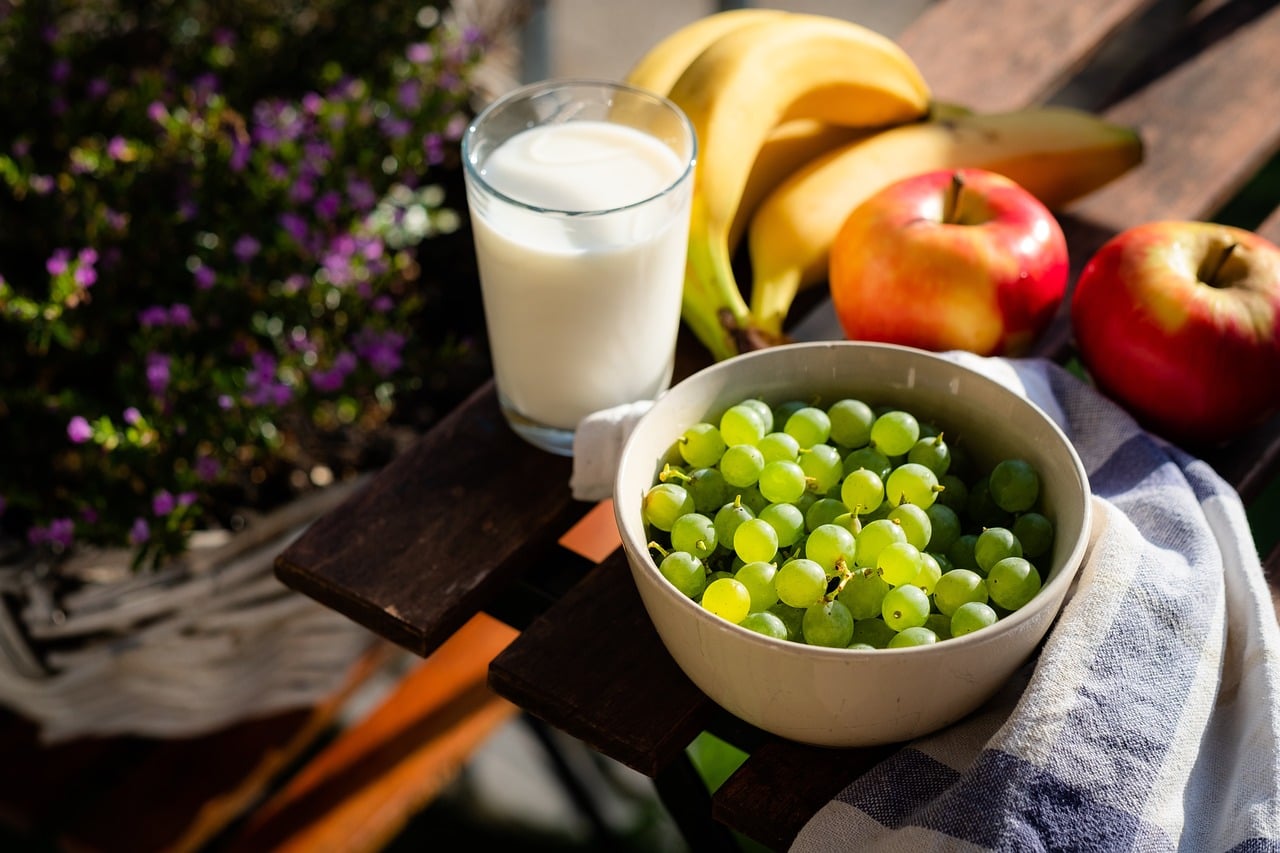
Key Takeaways
- Snacks should combine protein and fiber to maintain stable blood sugar and sustained energy throughout the day.
- Most children need five to thirteen servings of fruits and vegetables daily, and strategic snacking helps close this nutritional gap.
- Effective combinations include whole-grain crackers with cheese, apple slices with peanut butter, Greek yogurt with berries, and carrot sticks with hummus.
- Avoid packaged snacks with excessive added sugars, artificial colors, and refined flours that provide empty calories without nutrients.
- Establishing consistent snack times and involving children in preparation builds healthy habits that last into adulthood.
Children need to eat every three to four hours to maintain steady energy levels and support their growing bodies. Most children fall short of the recommended five to thirteen servings of fruits and vegetables each day, and smart snacking habits help bridge that nutritional gap without adding empty calories.
When snacks combine protein and fiber, blood sugar stays stable throughout the day, which directly improves concentration, mood regulation, and sleep quality. This guide explores how strategic food choices transform snack time from mindless eating into powerful nutrition that shapes lifelong health.
Why Some Snacks Work Better Than Others
Protein and fiber work together to sustain energy and prevent the afternoon crashes that trigger crankiness and poor dinner choices. While protein supports muscle repair and keeps children satisfied longer, fiber aids digestion and prolongs fullness between meals. Packaged snacks often provide quick carbohydrates but lack these essential nutrients, creating a cycle of temporary energy spikes followed by sudden drops. The result affects both mood and behavior in ways parents don't always connect to food choices.
Because growing bodies need sustained fuel for physical activity and brain function, effective snacks must do more than just quell hunger temporarily. A balanced combination delivers vitamins, minerals, and macronutrients that support immune function and cognitive performance throughout the school day.
Simple Food Pairings Parents Can Count On
Whole-grain crackers with cheese deliver complex carbohydrates alongside protein, while apple slices paired with peanut butter combine natural sweetness with healthy fats for brain development. Greek yogurt topped with fresh berries provides calcium for bone health, plus antioxidants that many children need more of in their diets. Carrot sticks with hummus offer crunchy satisfaction and plant-based protein in a combination most kids enjoy once they try it.
Trail mix made at home with nuts, seeds, and dried fruit gives children portable energy without the chocolate or candy found in store-bought versions. Hard-boiled eggs prepared in advance offer complete protein that requires no refrigeration for several hours, making them practical for busy schedules. These pairings address hunger while simultaneously delivering nutrients that support everything from immune function to mental focus.
Fresh Choices That Actually Get Eaten
Sliced bell peppers in multiple colors provide vitamin C and natural sweetness, especially when paired with guacamole or ranch dip made with Greek yogurt. Frozen grapes become a fun treat that takes longer to eat than fresh ones, naturally limiting portion sizes while providing hydration. Because presentation matters as much as ingredients when encouraging hesitant eaters, cucumber slices topped with cream cheese transform a plain vegetable into something children perceive as special.
String cheese paired with whole-grain crackers and grape tomatoes covers multiple food groups while remaining simple enough for children to assemble independently. For a creamy option that appeals to kids who resist chewing tougher proteins, cottage cheese mixed with diced peaches delivers protein and calcium together.
Foods That Sabotage Good Intentions
Many snacks marketed to children contain excessive added sugars, artificial colors, and refined flours that provide calories without meaningful nutrition. Fruit snacks often contain little actual fruit, while granola bars frequently pack as much sugar as candy bars despite health-focused packaging. Sugar-sweetened beverages, including fruit juice and flavored milk, add significant calories without the fiber and nutrients found in whole foods, and these liquid calories fail to trigger fullness signals.
Ultra-processed foods with long ingredient lists train young palates to prefer intense tastes over the subtle flavors of whole foods. This preference makes introducing vegetables and whole grains increasingly difficult as children grow older and their habits become more entrenched.
Making Healthy Snacking Stick
Establishing consistent snack times prevents all-day grazing, which interferes with appetite for balanced meals and creates confusion about true hunger versus boredom. Scheduled snacks also help parents plan and avoid last-minute scrambling that leads to less healthy convenience choices. When children participate in snack preparation, they learn about nutrition while building cooking skills that increase their willingness to try new foods.
Even young children can wash grapes, spread nut butter on celery, or arrange cheese and crackers on a plate. Pre-portioned snacks ready in the refrigerator remove decision fatigue during hectic after-school hours when everyone feels tired and hungry. Washing vegetables in clear containers at eye level and individual servings of nuts in small bags make healthy choices the easiest choices.
How Today's Snacks Shape Tomorrow's Health
Children who regularly consume nutrient-dense snacks develop stronger bones, healthier immune systems, and better concentration skills that support both academic achievement and social development. The calcium from dairy products, iron from nuts and dried fruits, and vitamins from fresh produce all contribute to physical growth during critical developmental years. Early food experiences shape lifelong preferences, meaning the snacks children eat today influence their relationship with food for decades.
Fresh fruits, vegetables, and whole grains cost more upfront than processed alternatives, but the long-term savings in medical expenses make the investment worthwhile. Parents who prioritize whole foods teach their children to recognize real hunger and appreciate natural flavors. Through fewer sick days, better dental health, and reduced risk of chronic conditions like obesity and type 2 diabetes, quality snacking decisions become one of the most cost-effective investments in children's long-term well-being.
Smart Farms LLC
City: Colton
Address: 325 East 4th Street
Website: https://smartfarms.global/


Comments
Post a Comment