Health Benefits of Steak: Massachusetts Chef Explains Why You Should Eat Beef
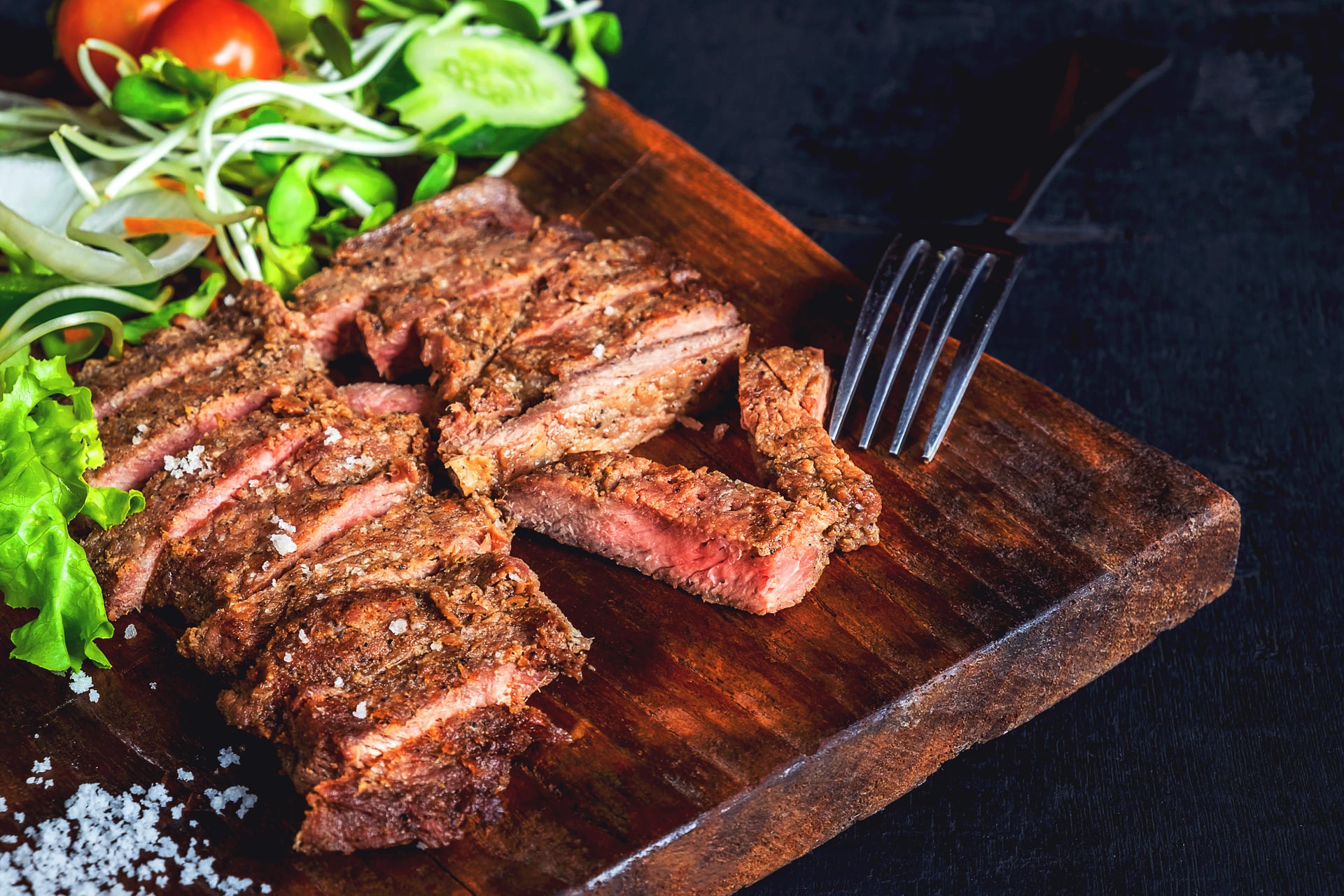
Red meat gets criticized constantly, which makes plenty of people wonder if their favorite steaks actually belong on a healthy plate. The confusion makes sense given conflicting headlines, but the real story depends on quality, preparation, and portion control rather than avoiding beef altogether.
When you pick quality cuts from restaurants that source responsibly and cook them right, beef provides nutrients your body genuinely needs to work properly. Here's what happens inside your body when steak becomes part of your regular meals.
Complete Protein Your Muscles Actually Use
Among protein sources, steak stands out because it contains all nine essential amino acids in one package. These amino acids rebuild muscle tissue after workouts, create hormones that regulate your mood and digestion, and form enzymes your body needs daily. A 100-gram serving delivers about 20 grams of protein, which makes hitting your daily requirements pretty straightforward without eating huge portions.
What makes this protein special goes beyond the numbers, however. Your body recognizes and processes animal protein more efficiently than most plant options, so you extract more nutritional value from smaller servings. Hair, nails, skin, bones, and cartilage all depend on steady protein intake to maintain their structure over time.
Iron That Actually Enters Your Bloodstream
Feeling tired all day often points back to iron deficiency, even when people don't realize the connection. Iron creates hemoglobin, which carries oxygen from your lungs to every single cell throughout your body. Without enough iron, exhaustion, brain fog, and weakness take over your daily routine pretty quickly.
Steak provides heme iron, the type your body absorbs two to three times better than the non-heme iron plants offer. One serving gives you roughly 15% of what you need each day, which matters especially for women and growing kids at higher risk for deficiency. Studies show that people who regularly eat red meat, poultry, and fish face lower anemia rates compared to those who avoid these foods entirely.
B Vitamins That Keep Your Brain Sharp
Your nervous system runs on vitamin B12, which also builds red blood cells and prevents memory problems down the road. Because your body can't make B12 on its own, beef becomes one of your most reliable sources for this critical nutrient. Deficiency leads to concentration issues and, over time, permanent nerve damage that doesn't reverse easily.
Beyond B12, beef delivers vitamin B6 for energy metabolism and niacin for cellular repair throughout your body. For anyone avoiding meat completely, getting adequate B12 from diet alone becomes nearly impossible without supplements. These vitamins work together to convert food into usable energy while keeping your brain functioning at full capacity.
Minerals That Protect Your Immune System
Zinc supports your immune defenses while helping wounds heal faster after injuries or surgery. This mineral also maintains your sense of taste and smell, which directly affects whether food actually appeals to you. Meanwhile, selenium acts as an antioxidant that shields cells from damage and keeps your thyroid working properly.
Phosphorus makes up about 85% of the mineral content in your bones and teeth, and steak contains significant amounts. The American Dental Association actually recommends red meat consumption specifically because phosphorus protects tooth enamel from breaking down. Between zinc, selenium, and phosphorus, beef covers multiple nutritional bases that other foods struggle to match.
Why Grass-Fed Beef Offers Extra Benefits
Cattle grazing on fresh pastures produce beef with notably higher omega-3 levels than grain-fed animals do. These omega-3s reduce inflammation, support heart health, and help your brain function properly at any age. Grass-fed beef also contains more conjugated linoleic acid, a beneficial fat that research links to reducing certain cancer risks.
Vitamins E and A appear in higher concentrations too, since these nutrients come directly from the grasses cattle consume. Your body converts beta-carotene into vitamin A, supporting vision, immunity, and healthy skin over the long term. While any quality beef provides value, grass-fed options deliver these enhanced benefits when budget and availability allow.
Picking Cuts That Match Your Health Goals
Leaner cuts like top sirloin contain less saturated fat than heavily marbled ribeyes, making them ideal when protein matters more than richness. Trimming visible fat before cooking drops saturated fat content even further without losing essential nutrients. Different cuts serve different purposes, so understanding your options helps balance taste preferences against nutritional priorities.
Portion size matters just as much as which cut you choose, however. A healthy serving measures three to four ounces, roughly the size of a standard card deck. Grilling or broiling lets excess fat drip away during cooking, creating leaner results than pan-frying in added oil. Skipping heavy sauces keeps calories reasonable while highlighting the natural flavor quality beef already has.
Pairing steak with colorful vegetables, fresh salads, or whole grains creates balanced meals instead of protein-heavy plates. These sides add fiber, vitamins, and minerals that beef doesn't provide on its own. Simple preparation choices like these maximize benefits while minimizing potential downsides from overconsumption.
Mental Health Benefits Most People Miss
Scientists have found connections between adequate red meat intake and lower rates of depression and anxiety. One study looked at women diagnosed with major depressive disorder, comparing their beef consumption to the recommended 65 to 100 grams daily. Women eating less than recommended amounts faced double the risk for dysthymia and major depression compared to those meeting guidelines.
Those same women also showed twice the likelihood of anxiety disorders when their red meat intake fell short. While researchers continue exploring why these patterns exist, beef's nutrient density likely plays a role. Your brain needs specific building blocks to produce neurotransmitters and maintain healthy function, and steak delivers many in forms your body absorbs readily.
Making Smart Choices About Beef
Quality beef supports your muscles, bones, brain, and immune system when you choose good sources and prepare them thoughtfully. The complete protein, absorbable iron, essential B vitamins, and important minerals fill nutritional gaps that plant foods struggle to address alone.
Understanding both benefits and best practices helps you make choices supporting your health instead of working against it. Whether you want locally sourced steaks for enhanced omega-3s or just need reliable protein and iron sources, quality beef earns its spot in balanced eating that values both nutrition and genuine satisfaction.
Post 1917
City: Reading
Address: 136 Haven Street,
Website: https://www.post1917.com


Comments
Post a Comment