Getting A DWI With A CDL License In Texas: How It Affects A Driver's Career
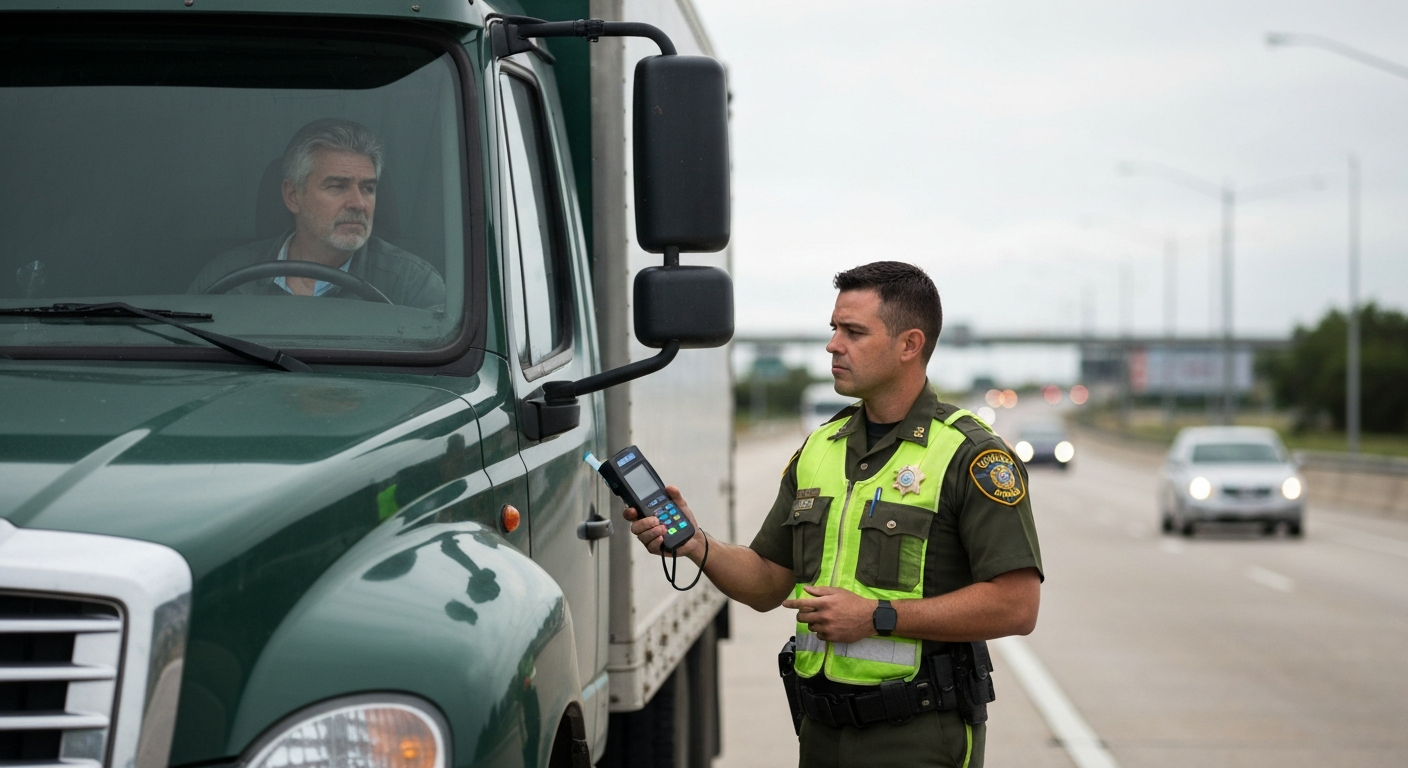
Commercial drivers in Texas operate under a different set of rules than regular motorists, and the consequences for driving under the influence reflect this heightened responsibility. When a career depends on maintaining a clean driving record, understanding these strict standards becomes critical for protecting both livelihood and future opportunities in the transportation industry.
Texas CDL Drivers Face Stricter DWI Standards
The Federal Motor Carrier Safety Administration sets the blood alcohol concentration limit for commercial drivers at 0.04% - exactly half the standard limit for regular drivers. This means that having just two standard drinks can push a commercial driver's BAC over the legal threshold, even when they might feel completely capable of driving safely.
This stricter standard applies to all CDL holders, regardless of the type of commercial vehicle they operate. Whether driving a semi-truck, delivery van, school bus, or passenger vehicle, the same reduced BAC limit governs their driving privileges.
Law enforcement officers use the same testing methods for commercial drivers as they do for regular motorists, but the interpretation of results follows different legal standards. Specialized legal representation becomes necessary when handling these complex federal and state regulations that govern commercial driving privileges.
License Suspension Process and Timeline
The administrative process following a CDL DWI arrest moves quickly, with multiple deadlines that can permanently affect driving privileges if missed. Understanding each step in this timeline helps drivers protect their rights and maintain their ability to earn a living.
Immediate Notice and 15-Day Window for ALR Hearing
Upon arrest for DWI, commercial drivers receive immediate notice of license suspension through Texas's Administrative License Revocation process. This civil procedure operates separately from any criminal charges, meaning drivers can lose their license administratively even if they're never convicted of the underlying DWI offense.
The clock starts ticking immediately after arrest. Drivers have exactly 15 days to request an ALR hearing to contest the suspension. The hearing request must be submitted in writing, and many drivers benefit from having legal counsel handle this critical step to ensure proper filing and representation.
Automatic Suspension Takes Effect After 40 Days
If no ALR hearing is requested within the 15-day window, the license suspension automatically takes effect 40 days after the arrest date. During this 40-day period, drivers can continue operating commercial vehicles using their current CDL, but they must use this time wisely to prepare for the upcoming suspension period. Even drivers who request an ALR hearing may face suspension if the hearing doesn't result in their favor.
First Offense Means One-Year Disqualification
A first-time DWI conviction while holding a CDL triggers a mandatory one-year disqualification from operating any commercial motor vehicle. This disqualification applies even if the driver receives probation or community service instead of jail time for the underlying criminal charge. The one-year period begins from the date of conviction or administrative suspension, whichever occurs first.
During this disqualification period, drivers cannot operate any vehicle requiring a CDL, effectively ending their ability to work in commercial transportation. The disqualification affects all endorsements on the license, including passenger, school bus, and hazardous materials authorizations. Personal driving privileges may also be suspended, though the duration and conditions can vary based on the specific circumstances of the case.
Hazardous Materials Transport Adds Penalties
Commercial drivers operating vehicles placarded for hazardous materials face enhanced penalties for DWI offenses. Instead of the standard one-year disqualification, drivers transporting hazmat materials receive a three-year disqualification for their first offense. This extended penalty reflects the increased public safety risk associated with impaired operation of vehicles carrying dangerous materials.
Second DWI Creates Lifetime Ban With Limited Exceptions
The consequences for a second DWI conviction while holding a CDL escalate dramatically. Federal regulations mandate a lifetime disqualification from operating commercial motor vehicles for drivers with two or more DWI convictions. This permanent ban applies regardless of how much time passes between the first and second offense, creating a zero-tolerance approach for repeat offenders.
The lifetime disqualification takes effect immediately upon conviction of the second offense. The ban covers all types of commercial vehicles and all endorsements, effectively ending any career opportunities in professional driving.
Reinstatement Possible After 10 Years Under Specific Conditions
While the federal regulations create a lifetime ban, they do allow for potential reinstatement after 10 years under very specific circumstances. Drivers seeking reinstatement must demonstrate successful completion of an approved rehabilitation program and show evidence of alcohol or drug treatment if required. The reinstatement process involves extensive documentation and review by federal authorities.
Employment Consequences Extend Beyond Suspension
The impact of a CDL DWI extends far beyond the legal penalties and license suspension periods. Commercial driving operates within a highly regulated industry where safety records directly influence employment opportunities and career advancement possibilities.
Background Checks Reveal Permanent Records
DWI convictions remain on driving records permanently, appearing in background checks conducted by potential employers throughout a driver's career. The Federal Motor Carrier Safety Administration maintains detailed records of all commercial drivers, including violations, convictions, and disqualifications. These records follow drivers regardless of state changes or time passage.
Transportation companies regularly review driving records as part of their hiring process and ongoing employment evaluation. A DWI conviction signals increased risk to employers, potentially affecting insurance rates and company liability exposure.
Many Companies Have Zero-Tolerance Policies
The competitive nature of commercial transportation has led many companies to adopt zero-tolerance policies regarding DWI convictions. These policies often result in immediate termination upon conviction, regardless of the driver's previous performance or years of service. Some companies extend these policies to arrests, suspending drivers even before conviction occurs.
Insurance requirements drive many of these strict policies. Commercial vehicle insurance premiums increase significantly when covering drivers with DWI convictions, and some insurers refuse coverage entirely.
Financial Impact Goes Beyond Legal Fees
The financial consequences of a CDL DWI conviction create a ripple effect that can last for years beyond the initial legal proceedings. Understanding these costs helps drivers prepare for the wide-ranging financial impact of a conviction.
1. Lost Wages During Suspension Period
The most immediate financial impact comes from lost income during the license suspension period. Commercial drivers typically earn between $45,000 and $75,000 annually, meaning a one-year suspension represents significant lost earnings. Drivers who specialize in hazmat transport or other high-paying niches may lose even more during their extended three-year disqualifications.
The income loss extends beyond the suspension period itself. Many drivers struggle to find employment after reinstatement due to their conviction record, often accepting lower-paying positions or leaving the transportation industry entirely. Career advancement opportunities diminish significantly, affecting long-term earning potential throughout the remainder of their working years.
2. Mandatory Education and Testing Costs
Reinstatement requirements typically include completion of alcohol education programs, substance abuse evaluations, and defensive driving courses. These programs can cost several hundred to several thousand dollars, depending on the specific requirements and program providers. Some drivers must complete multiple programs to satisfy both court orders and employment requirements.
Additional testing costs arise when drivers seek to restore their CDL after the disqualification period ends.
3. Insurance Premiums Increase for 3-10 Years
Personal auto insurance premiums increase substantially following a DWI conviction, with increases typically lasting three to ten years depending on the insurance company and state regulations. Commercial drivers often see larger increases than regular drivers due to their professional driving status and increased risk profile.
Personal Vehicle DWI Also Affects CDL
One of the most misunderstood aspects of CDL regulations involves the application of federal standards to personal vehicle operation. Many commercial drivers incorrectly believe that DWI charges received while driving personal vehicles don't affect their professional licenses.
Federal Regulations Apply Regardless of Vehicle
Federal Motor Carrier Safety Administration regulations apply to CDL holders at all times, regardless of the type of vehicle they're operating when charged with DWI. A conviction for driving under the influence in a personal car, motorcycle, or any other vehicle triggers the same CDL disqualification penalties as if the offense occurred while operating a commercial vehicle.
This approach reflects the federal government's position that impaired driving demonstrates poor judgment that affects all driving privileges. The regulation acknowledges that someone willing to drive impaired in their personal time poses similar risks when operating commercial vehicles professionally. Therefore, the same one-year disqualification for first offenses and lifetime ban for second offenses apply regardless of the vehicle type involved in the DWI charge.
Protecting A Commercial Driving Career - Professional Consultation Required
The complexity of federal and state regulations governing CDL disqualifications makes professional legal consultation necessary for drivers facing DWI charges. The intersection of criminal law, administrative procedures, and federal transportation regulations creates a legal landscape that requires specialized knowledge to handle effectively.
Early intervention can make the difference between maintaining driving privileges and losing a career. Experienced attorneys understand the technical requirements for ALR hearings, the procedural defenses available in DWI cases, and the negotiation strategies that may reduce charges or penalties. They can also coordinate between different legal proceedings to minimize the overall impact on driving privileges.
Texas Criminal Defense Group
City: Lubbock
Address: 1001 Texas Ave.
Website: https://texascriminaldefensegroup.com/


Comments
Post a Comment