Frozen Pipe Repair: Fountain, CO Plumber Reveals Thawing Risks & Methods
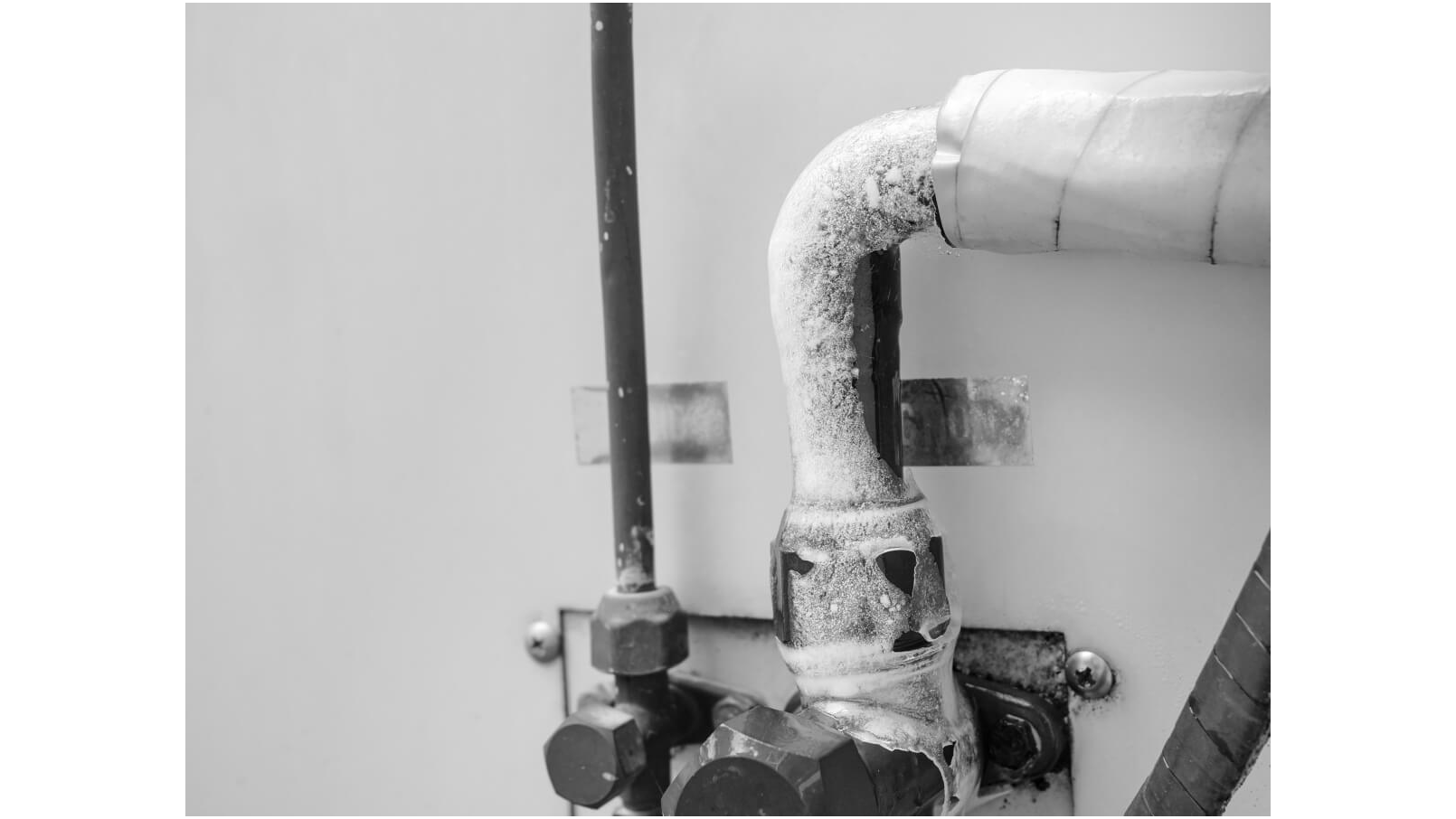
Key Takeaways
- Frozen pipes can cost Fountain homeowners $1,000-$15,000 in damage, but safe DIY thawing methods like hair dryers and hot towels can prevent disasters when applied correctly.
- Never use open flames, torches, or unattended space heaters near pipes - these dangerous methods cause fires and electrocution risks that far exceed the cost of professional help.
- Professional thawing equipment like electric thaw machines and infrared detection can safely reach hidden pipes behind walls where DIY methods fail.
- Simple prevention steps like insulating exposed pipes and maintaining indoor temperatures above 55°F can eliminate most frozen pipe emergencies before they start.
- Recognizing warning signs like reduced water flow, cold walls, and strange pipe noises helps homeowners catch freezing issues before pipes burst.
Winter strikes Fountain, Colorado, with little warning. One morning, homeowners turn on their faucets expecting water, only to hear silence. What starts as a minor inconvenience can rapidly become a devastating flood that destroys floors, walls, and personal belongings. The difference between a $150 thawing service and a $15,000 insurance claim often comes down to understanding the risks involved in frozen pipe repair and knowing when to call for professional help.
Why Frozen Pipes Burst and Cost Fountain Homeowners Thousands
Water expands by 9% when it freezes, creating tremendous pressure inside pipes that can reach several thousand pounds per square inch. This expansion doesn't just create blockages - it literally splits copper pipes and cracks PVC joints from the inside out. In Colorado's climate, where temperatures regularly drop below freezing for extended periods, this natural process turns into a homeowner's worst nightmare.
The real danger lies in what happens after the initial freeze. As temperatures fluctuate above and below 32°F - common in Fountain's variable winter weather - the ice expands and contracts repeatedly. This freeze-thaw cycle weakens pipe walls over time, making them prone to catastrophic failure even after successful thawing. Talmich Plumbing and Heating has responded to countless emergency calls where a simple frozen pipe turned into flooding that damaged entire rooms.
The financial impact hits homeowners hard. Simple burst pipe repairs range from $200 to $1,000, but when pipes freeze behind walls or under foundations, costs skyrocket beyond $2,000. Add water damage to floors, walls, and belongings, and the total can easily reach $4,000 for a single room. In severe cases involving multiple rooms or mold development, homeowners face bills exceeding $25,000. These aren't rare occurrences in Fountain - they happen every winter to unprepared families.
Dangerous Thawing Methods That Start Fires
Desperation leads homeowners to attempt dangerous thawing methods that put their families and property at extreme risk. The American Red Cross strongly warns against using blowtorches, propane heaters, kerosene heaters, or any open flame device near frozen pipes. These tools create serious fire hazards that can ignite nearby insulation, wooden framing, or stored materials in basements and crawl spaces.
1. Never Use Open Flames or Torches
Blowtorches and propane torches produce intense, uncontrolled heat that can melt plastic pipes instantly and damage copper pipes beyond repair. The high temperatures create rapid expansion that often causes pipes to crack or joints to fail. Even worse, the open flames pose severe fire risks in confined spaces filled with flammable materials. Professional plumbers see the aftermath of these attempts regularly - charred framing, melted pipes, and sometimes total home fires that started with a simple frozen pipe problem.
2. Avoid Unattended Space Heaters Near Flammables
Portable space heaters might seem safer than open flames, but leaving them unattended near pipes creates fire hazards just as dangerous. In crawl spaces, basements, and utility areas, these heaters often sit near insulation, cardboard boxes, cleaning supplies, and other combustible materials. A heater that tips over or overheats can ignite these materials within minutes. The false sense of safety leads homeowners to walk away, returning to find their heating solution has become an inferno.
3. Electric Shock Risks Around Water
Using electrical appliances like hair dryers or heat lamps around water creates electrocution risks that can be fatal. As ice melts and water begins dripping or pooling, any electrical device can become a deadly hazard. Wet hands touching electrical cords or standing water contacting outlet strips can result in severe shock or death. Professional thawing equipment includes proper grounding and safety features that consumer devices lack, making DIY electrical thawing particularly hazardous.
Safe DIY Thawing Techniques That Actually Work
Homeowners can safely thaw accessible frozen pipes using gentle, controlled heat methods that minimize risks while effectively melting ice blockages. The key lies in applying heat gradually, starting from the faucet end and working toward the blockage, while keeping the affected faucet open to relieve pressure and allow melting water to escape.
Hair Dryer Method for Accessible Pipes
An electric hair dryer set on low or medium heat provides the safest DIY thawing option for exposed pipes. Hold the dryer 6-12 inches away from the pipe and move it continuously along the frozen section, never focusing on one spot too long. This method gives precise temperature control and prevents the rapid heating that can crack pipes. Keep the hair dryer away from any water or wet surfaces, and continue until steady water flow returns. The process typically takes 15-45 minutes depending on the length of frozen pipe, making it ideal for basement or crawl space pipes where homeowners can safely access both the pipe and electrical outlets.
Hot Towel Wrapping for Localized Freezes
Soaking towels in hot (not boiling) water and wrapping them around frozen pipe sections works effectively for short frozen areas. Wring out excess water to prevent dripping, then wrap multiple layers around the pipe. Replace towels with fresh hot ones every 10-15 minutes until flow resumes. This method requires no electricity and works well in areas where hair dryers aren't practical. Secure towels with tape if needed, but ensure no standing water accumulates that could create slip hazards or damage surrounding materials.
Heat Tape for Prevention and Maintaining Warmth During Thaw
Self-regulating heat tape provides controlled, consistent warming for both thawing and preventing future freezes. Use only UL-listed, thermostat-controlled heat tape rated for your pipe material - some types aren't suitable for plastic pipes. Wrap the tape along the pipe bottom (4-8 o'clock position) without overlapping, securing every 12 inches with manufacturer-approved tape. The built-in thermostat activates heating when temperatures drop below 40°F, making it ideal for problem areas prone to repeated freezing. Installation takes 30-60 minutes, but provides long-term protection worth the investment.
How to Find Hidden Frozen Pipes Behind Walls
Detecting frozen pipes concealed behind walls or under floors requires systematic observation of warning signs and simple testing methods that don't require expensive equipment or destructive investigation.
Warning Signs You Can't Ignore
Several clear indicators reveal hidden frozen pipes before they burst and cause extensive damage. Little to no water flow from specific faucets signals ice blockages in supply lines serving those fixtures. Cold exterior walls, floors, or ceilings to the touch indicate frozen pipes running through those areas. Strange odors - often musty or metallic - can develop when pipe contents freeze and thaw repeatedly. Banging, gurgling, or whistling sounds from plumbing during temperature changes suggest ice movement within pipes. Bubbling paint, damp spots, or water stains on walls near plumbing runs often indicate pipes that have already begun leaking from freeze damage.
Simple Detection Methods for Homeowners
Start detection by testing faucets systematically from the main water entry point outward, noting which fixtures have reduced flow. This helps trace the blockage location along the pipe run. Feel accessible pipe sections for icy cold spots or frost formation, focusing on areas near exterior walls, in unheated spaces, or between floors. Use an infrared thermometer if available to scan walls and floors for temperature drops indicating ice within. Check high-risk areas first: exterior walls, attics, basements, crawl spaces, and garages where pipes commonly freeze. Open cabinet doors under sinks to check for frost on pipes or unusual coldness in enclosed spaces.
When Professional Equipment Makes the Difference
Professional plumbers deploy specialized equipment that safely and effectively thaws pipes in situations where DIY methods fail or pose excessive risks, particularly for inaccessible pipes or complex freezing scenarios.
Electric Thaw Machines vs Steam Equipment for Different Pipe Types
Electric thaw machines work exclusively on metal pipes like copper or iron by sending controlled electrical current through the pipe itself, generating internal heat that melts ice from inside out. Technicians clamp heavy-duty cables to clean pipe ends on either side of the frozen section, allowing electricity to flow through the pipe at carefully regulated amperage levels. This method thaws ice rapidly - typically within 5-30 minutes - and can reach frozen sections up to 175 feet away from access points. However, these machines cannot be used on plastic pipes like PEX or PVC, which don't conduct electricity effectively and risk melting from uneven heating.
Steam equipment offers the alternative for plastic pipes and situations where electrical thawing isn't suitable. Professional steamers generate controlled, pressurized steam that technicians direct through specialized nozzles and hoses to apply precise heat to frozen areas. This method works on all pipe materials and provides excellent control over temperature application, preventing the thermal shock that can crack pipes during rapid thawing.
Infrared Detection and Steam Thawing for Wall Pipes
Infrared cameras allow professionals to locate frozen pipes behind walls without destructive investigation. These thermal imaging devices detect temperature variations that reveal ice location within wall cavities, even when pipes aren't visible. Combined with acoustic detection equipment that amplifies sounds of ice movement or water flow, plumbers can pinpoint frozen sections with remarkable accuracy.
Once located, steam thawing equipment applies controlled heat through specialized wall penetration tools or by warming the wall surface area above the frozen pipe. This approach avoids cutting into drywall while effectively melting ice blockages. Professional steam units maintain consistent temperatures that prevent thermal shock while providing enough heat to thaw even extensive frozen sections within 30-90 minutes.
Preventing Winter Pipe Disasters in Fountain's Climate
Fountain's elevation and continental climate create specific freezing risks that homeowners can address through targeted prevention strategies designed for Colorado's variable winter conditions.
1. Insulate Exposed Pipes in Unheated Areas
Foam pipe sleeves provide the most cost-effective insulation for exposed pipes in basements, attics, crawl spaces, and garages. These pre-slit sleeves fit around pipes and seal with self-adhesive strips, adding R-3 to R-8 insulation value depending on thickness. Cut sleeves to length with a utility knife, ensuring tight fits around pipe bends and fittings. Secure every 1-2 feet with tape or cable ties, overlapping seams by half an inch for complete coverage. For irregular pipe sizes or complex fitting areas, fiberglass pipe wrap offers flexibility while providing similar insulation benefits. In extreme cold areas, combine insulation with thermostat-controlled heat tape for dual protection.
2. Winterize Outdoor Hose Bibs and Irrigation
Disconnect and drain all hoses before the first freeze, storing them indoors after complete drainage. Locate the indoor shutoff valve for each hose bib - typically in basements, crawl spaces, or utility rooms - and close it completely. Open the outdoor faucet fully to drain remaining water, leaving it open throughout winter. For irrigation systems, shut off the main supply valve and drain all lines using the system's drainage method or professional compressed air blowout. Remove above-ground sprinkler heads and components, storing them indoors. Install insulated foam covers over hose bibs and wrap exposed above-ground irrigation pipes with foam insulation.
3. Maintain Indoor Temperature Above 55°F
Set thermostats to minimum 55°F even when traveling or trying to save on heating costs. This temperature keeps pipes warm enough to prevent freezing while minimizing energy expenses. Open cabinet doors under kitchen and bathroom sinks on exterior walls to allow heated room air to circulate around pipes. During extreme cold snaps, let faucets drip a pencil-thin stream of cold water to keep water moving through pipes - collect the water in buckets for reuse. Focus on faucets connected to pipes running through exterior walls or unheated areas.
Call Talmich Plumbing Before Small Problems Become $15,000 Disasters
Recognizing when to call professional help can mean the difference between a manageable repair bill and a catastrophic insurance claim that disrupts family life for months. Professional intervention becomes critical when DIY methods fail after 2-3 hours, when pipes are completely inaccessible behind walls or underground, or when any signs of leaking appear during thawing attempts.
Emergency plumbing services typically respond within 1-3 hours during normal conditions, with specialized equipment that can safely thaw pipes without damaging surrounding structures. Professional thawing costs range from $100-$500 depending on complexity, but this investment prevents the exponentially higher costs of burst pipes, water damage, mold remediation, and temporary housing expenses that can total tens of thousands of dollars.
The decision becomes even more critical when considering Fountain's specific winter conditions. The area's elevation and dry climate cause deeper frost penetration that affects service lines and buried pipes differently than in lower elevations. Professional plumbers familiar with local conditions understand these unique challenges and can provide solutions that work specifically for Fountain's climate patterns.
Most importantly, professionals carry proper insurance and bonding that protects homeowners from liability if something goes wrong during thawing attempts. When homeowners attempt complex thawing methods and cause additional damage, their insurance may not cover the resulting claims, leaving them responsible for all costs.
For expert frozen pipe repair and prevention services in Fountain, CO, contact Talmich Plumbing and Heating at https://talmichplumbingheating.com/ for 24/7 emergency response and professional solutions that protect your home and family.
Talmich Plumbing and Heating
City: Colorado Springs
Address: 9150 Bellcove Cir
Website: https://talmichplumbingheating.com/


Comments
Post a Comment