Flying Ants vs. Termites: How Florida Homeowners Can Tell
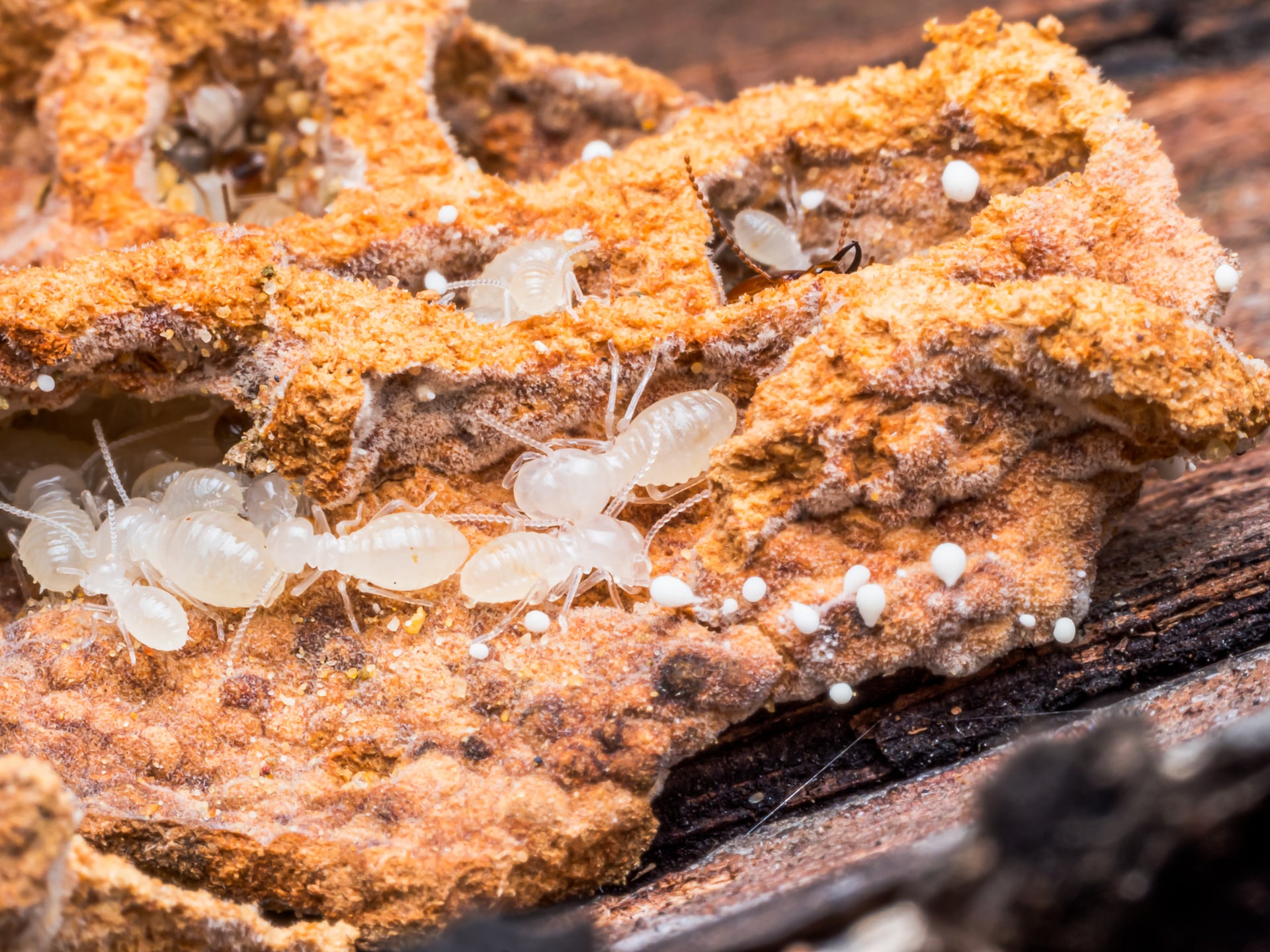
Spotting a swarm of winged insects in or around a Florida home triggers immediate concern. The critical question—flying ants or termites—determines whether the situation requires urgent action or simple monitoring. Getting the identification wrong can lead to missing early warning signs of an infestation that could cause serious structural damage.
Physical Differences: What to Look For
At first glance, flying ants and termite swarmers look remarkably similar. Both are small, dark-bodied insects with wings. However, examining specific features reveals clear distinctions that make identification straightforward once the differences are understood.
Antennae provide the most reliable identification marker. Termites have straight antennae that appear beaded, like tiny balls stacked together. Ants have distinctly bent or elbowed antennae with a clear angle partway along their length. This difference is visible even without magnification when examining a specimen up close.
Wing characteristics offer another definitive clue. Termite swarmers have four wings of equal length that extend well beyond the body, often appearing like delicate white or translucent veils. Flying ants also have four wings, but the front pair is noticeably larger than the back pair. After mating, both insects shed their wings—finding piles of uniform-length wings suggests termites, while mixed-size wings indicate ants. A detailed guide to identifying termites in Florida provides additional visual markers to look for.
Body shape seals the identification. Termites have broad, straight waists with no visible constriction between body segments. Ants display the classic pinched waist, creating three distinct body sections. This difference is immediately apparent when comparing the two insects side by side.
Why the Distinction Matters
Flying ants, even carpenter ants that nest in wood, pose far less threat to homes than termites. Carpenter ants excavate wood for shelter but do not eat it. Their damage accumulates slowly over the years. Termites, by contrast, consume wood as their primary food source. A mature subterranean termite colony can include millions of members, all feeding on structural elements around the clock. Homeowners concerned about activity should consult with Orlando pest control professionals who can accurately identify the species involved.
Warning Signs Beyond the Swarm
Seeing a swarm or finding discarded wings often represents the most visible sign of termite presence. However, additional indicators can confirm suspicions. Mud tubes running along foundation walls, typically pencil-width and made of dirt and debris, indicate subterranean termite activity. These tubes allow termites to travel between underground colonies and food sources while maintaining the moisture they need to survive.
Wood damage presents differently depending on the termite species. Subterranean termites eat along the grain, creating layered damage patterns. Drywood termites cut across the grain, leaving smoother galleries. Both types cause wood to sound hollow when tapped. Paint that appears bubbled or blistered, floors that feel soft underfoot, and doors or windows that suddenly stick can all indicate termite damage beneath the surface.
Small piles of pellets resembling sawdust near baseboards or windowsills indicate the presence of drywood termites. This frass consists of termite droppings pushed out of tiny kick-out holes as the insects clean their galleries.
Taking Action
When uncertainty exists about insect identification, collecting a sample for professional examination provides definitive answers. Placing several specimens in a sealed plastic bag preserves them for analysis. ABC Home & Commercial Services offers comprehensive inspections that identify termite species and assess the extent of infestation.
For confirmed termite activity, professional termite exterminators in Orlando provide treatment options tailored to the specific species and situation. Early intervention prevents the extensive damage that occurs when colonies establish and grow undetected.
Content developed in partnership with trusted digital marketing agency ASTOUNDZ.
ABC Home & Commercial Services Orlando
City: Orlando
Address: 823 East Colonial Drive
Website: https://www.abchomeandcommercial.com/orlando
Phone: +1 407 265 0665


Comments
Post a Comment