Epidermolysis Bullosa in Babies: A Parent's Fight for Their Baby
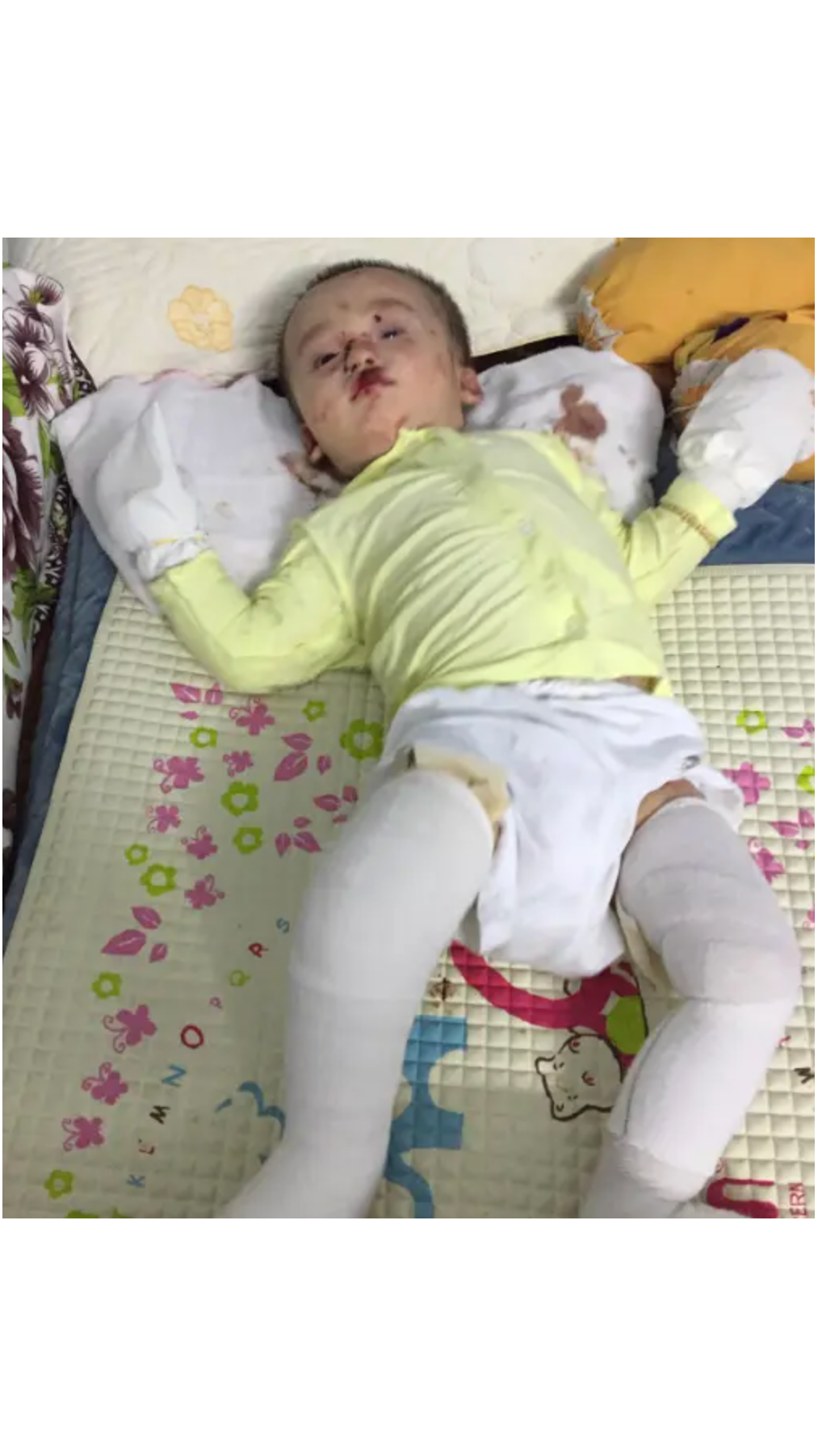
Key Takeaways
- Epidermolysis bullosa (EB) causes severe skin loss from the slightest friction, requiring specialized daily care to prevent life-threatening infections.
- Daily bandage costs often reach $100+ per day, creating a catastrophic financial burden for families.
- Critical environmental controls—like stable temperatures, bean bag furniture, and pest control—significantly reduce skin damage and pain.
- Access to timely medical supplies and specialized care is essential for children living with EB, particularly in regions with limited healthcare infrastructure.
- Specialized nutrition, including high-quality proteins and wound-healing nutrients, is essential when mouth blisters prevent normal eating.
Caring for a child with EB requires a level of vigilance few can imagine. Every diaper change or hug becomes a potential source of blistering and skin loss. For parents coming to grips with this terrifying condition, understanding field-tested care techniques—validated by medical literature—can mean the difference between effective management and a medical emergency.
The burden of EB is exponentially higher for families living in underserved or medically neglected regions. In many parts of the world, children with EB are "forgotten" because major global charities like St. Jude's or UNICEF do not cover this specific disease.
What Epidermolysis Bullosa Does to the Body
EB is a genetic condition that weakens the bond between skin layers, making the dermis and epidermis separate with minimal friction. In severe cases, children can lose up to 80% of their skin surface, leaving them vulnerable to chronic pain and sepsis.
This condition is not limited to the skin. Blisters form inside the mouth, throat, and digestive tract, making eating excruciating. Over time, repeated trauma causes fingers and toes to fuse (pseudosyndactyly), and chronic wounds significantly increase the risk of aggressive skin cancers. No Baby Blisters has documented these realities through its work with over 5,100 children worldwide, providing the medical supplies and specialized care necessary for survival.
Daily Pain Management That Works
1. Pain Relief Options
Pain management requires a sustainable balance. For mild cases, paracetamol may suffice, but moderate to severe EB often necessitates prescription medications to manage the pain of daily wound care.
2. Managing Side Effects
Stronger medications can cause complications like severe constipation, which is dangerous for children with internal blisters. Caregivers must proactively use stool softeners and dietary modifications to prevent secondary damage.
3. Controlling Itching Triggers
Itching is one of the most difficult symptoms to manage. Stress, temperature changes, and humidity can trigger intense scratching, which creates new wounds. Environmental control—such as maintaining a cool, stable home temperature—is vital to breaking the itch-scratch cycle.
Wound Care Techniques
1. Safe Blister Lancing
Intact blisters can expand and tear healthy skin if not managed. Safe lancing requires a sterile needle to puncture the blister at its lowest point, allowing fluid to drain while keeping the "roof" of the skin intact as a natural protective barrier.
2. Non-Adherent Dressing Selection
Standard bandages can be lethal for EB skin. Only specialized non-adherent dressings and silicone-based products should be used to prevent tearing of the skin during removal. Using the wrong tape or adhesive can instantly remove large patches of a child's skin.
3. Reducing Trauma During Changes Bandage changes can take hours. Soaking dressings with saline or using specialized removal products helps them glide off the skin without causing additional trauma.
Environmental Protections
1. Temperature and Cooling
Heat is a primary trigger for blistering. Air conditioning or "cool zones" are essential. In areas without reliable electricity, NBB advocates for heat-reflective roofing and portable cooling solutions to protect the skin.
2. Clothing and Furniture
Loose cotton clothing with flat or external seams reduces friction. Similarly, bean bag furniture is highly recommended because it distributes a child's weight evenly, preventing the pressure-point blisters caused by hard chairs.
3. Pest and Insect Control
Insect bites can trigger catastrophic blistering. Maintaining a "blister-free" environment requires sealed windows, mosquito netting, and active pest control to prevent bites that would otherwise lead to massive skin loss.
Nutrition for Healing and Growth
1. Nutrient-Dense Soft Foods
Mouth blisters caused by EB often lead to anemia and malnutrition. High-quality blenders are necessary to create smoothies that bypass the need for chewing. NBB research emphasizes the importance of high-quality protein (such as soy) and sulforaphane-rich foods to support skin integrity.
2. Fighting Blood Loss
Chronic open wounds cause constant blood and iron loss. Liquid iron supplements and iron-fortified diets are critical to preventing the fatigue and slow healing associated with anemia.
The Financial Reality of EB Care
Daily Bandage Costs of $100+
The specialized supplies required for EB—such as antimicrobial dressings and pain relief—create staggering costs that insurance rarely covers fully. These expenses can exceed $1,000 monthly for even "moderate" cases, often surpassing a family's entire income.
Beyond wound dressings, families face a wide range of indirect and often overlooked expenses. These include frequent specialist appointments, travel to distant treatment centers, increased utility costs from climate control needs, specialized clothing and bedding, nutritional supplements, and lost income when caregivers must reduce or abandon employment to provide full-time care. Over time, these cumulative costs place families at high risk of medical debt, housing instability, and long-term financial insecurity, even in countries with established healthcare systems.
Research and Ongoing Efforts
While immediate care is the priority, work is also underway on developing affordable, full-body solutions rather than localized, million-dollar treatments. The strategy includes:
- Systemic Research: Treating the whole body, including internal linings.
- Gene Therapy: Working to correct the underlying genetic proteins.
- Molecular Science: Utilizing natural, affordable ingredients to speed up healing.
How You Can Help
Families caring for children with EB rely on consistent access to medical supplies, clinical guidance, and community-based support systems. Understanding the realities of EB care—including its medical, environmental, and financial demands—is an important step in supporting informed decision-making, research advancement, and improved care delivery for affected individuals worldwide.
No Baby Blisters
City: Colorado Springs
Address: 731 Chapel Hills Drive
Website: https://nobabyblisters.org/


Comments
Post a Comment