Epidermolysis Bullosa In Babies: Causes, Survival & How You Can Help
Key Takeaways
- Epidermolysis Bullosa (EB) is a rare genetic disorder that causes extreme skin fragility, making everyday touch and care potentially dangerous for affected babies.
- EB varies widely in severity, with some forms manageable long-term and others life-threatening in infancy due to infection, feeding difficulties, or respiratory complications.
- Caring for an EB baby requires specialized daily routines, including careful wound care, gentle bathing, modified feeding, and proactive pain management.
- Early diagnosis and access to experienced medical teams can improve survival and quality of life, helping families prevent complications and manage symptoms more effectively.
- Support and research-focused organizationsplay a critical role, helping families navigate care while driving efforts toward a future where no baby has to live with constant blistering.
When a baby is born with skin so fragile that a loving hug can cause life-threatening blisters, families face an unimaginable reality. Epidermolysis Bullosa transforms the most basic acts of care into complex medical procedures, challenging everything parents thought they knew about nurturing their child.
What Is Epidermolysis Bullosa and Why Is It Life-Threatening
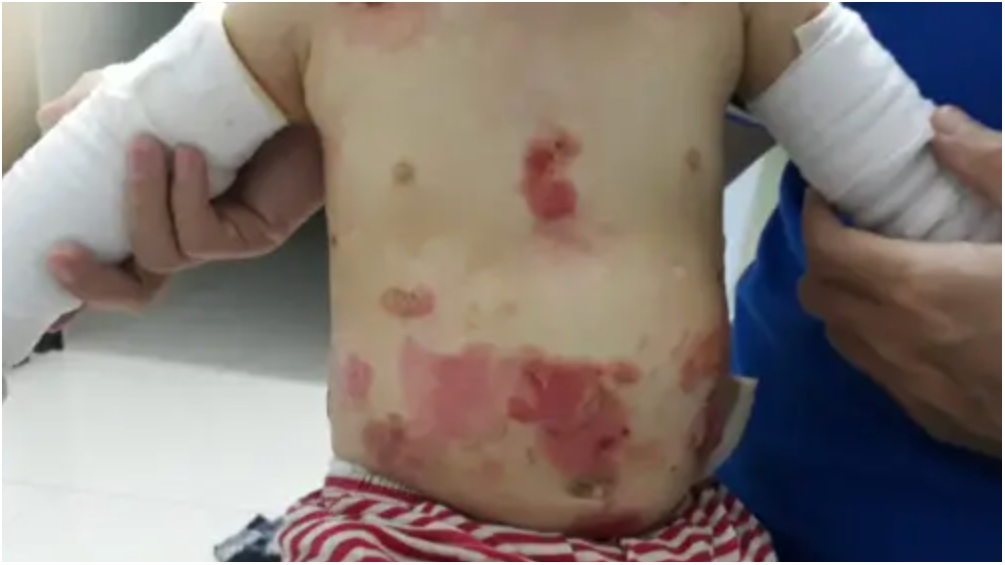
Epidermolysis Bullosa is a group of genetic disorders that makes a baby's skin extremely fragile, causing it to blister and peel away with minimal friction or pressure. The condition affects the proteins that normally anchor skin layers together, creating a weak bond between the epidermis and dermis. When these bonds fail, even gentle touch can cause the skin to separate, forming painful blisters and open wounds.
The severity of EB varies dramatically, but in its most severe forms, the condition can be fatal within the first year of life. Babies may lose up to 80% of their skin, leading to severe pain, life-threatening infections, dehydration, and malnutrition. No Baby Blisters, which has a 501(c)(3) status and a GuideStar Platinum rating, works tirelessly to support families through this devastating diagnosis while funding research toward finding a cure, helping over 5,100 children and families. The condition affects all ethnicities and genders equally, with approximately 70 children born with EB annually in the United States.
What makes EB particularly challenging is that the very acts of caring for a baby - bathing, feeding, changing diapers, and providing comfort - can cause additional trauma to their fragile skin. Parents must learn specialized techniques to minimize damage while managing their child's intense pain and medical needs.
The Four Main Types of EB in Babies
Understanding the different types of EB helps families and medical teams develop appropriate care plans and set realistic expectations for treatment outcomes.
1. EB Simplex (EBS) - Most Common Form
EB Simplex accounts for around 70% of all EB cases and causes blisters in the outer layer of skin (epidermis). While still painful and requiring careful management, EBS typically has the best prognosis among EB types. Blisters usually heal without significant scarring, and many children with milder forms can live relatively normal lives with proper care. However, even mild cases require constant vigilance to prevent skin damage.
2. Junctional EB (JEB) - Affects Mouth and Airways
Junctional EB represents 5-10% of cases but is among the most severe forms. Blisters form in the basement membrane between skin layers, often affecting the mouth, throat, and airways. The most severe form, Junctional EB Herlitz type, is frequently fatal in infancy due to complications from blistering in the respiratory tract and inability to feed properly. Babies with JEB often require feeding tubes and intensive respiratory support.
3. Dystrophic EB (DEB) - Causes Deep Scarring
Dystrophic EB affects about 25% of cases and causes blisters below the basement membrane in the dermis. These deeper blisters heal with significant scarring, which can lead to contractures and fusion of fingers and toes. The scarring process can also cause the esophagus to narrow, making eating increasingly difficult over time. Children with severe DEB face a high risk of developing aggressive skin cancer in their teens or twenties.
4. Kindler Syndrome - Rarest Form
Kindler Syndrome is extremely rare, with fewer than 400 cases reported worldwide. This form causes blisters across multiple skin layers and often includes sensitivity to sunlight. While not typically as severe as other forms, Kindler Syndrome requires specialized sun protection and careful wound management throughout life.
Genetic Causes Behind EB
Gene Mutations That Weaken Skin Bonds
EB results from mutations in more than 20 different genes responsible for producing proteins that anchor skin layers together. These proteins, including various types of collagen, act like molecular glue to keep the epidermis attached to the dermis. When these genes are defective, the resulting proteins are either missing, reduced in quantity, or don't function properly.
The specific gene affected determines which type of EB develops and how severe the symptoms will be. Some mutations completely eliminate protein production, while others produce dysfunctional proteins that provide partial but inadequate skin integrity. This genetic basis explains why EB symptoms are present from birth and persist throughout life.
How EB Is Inherited from Parents
EB follows two main inheritance patterns. Autosomal dominant inheritance means only one parent needs to carry the mutated gene, with a 50% chance of passing it to each child. Autosomal recessive inheritance requires both parents to be carriers, often without any family history of the disease, with a 25% chance of having an affected child when both parents carry the gene.
In some cases, EB results from new mutations that occur spontaneously in the sperm or egg, meaning neither parent has the condition or carries the gene. Genetic counseling helps families understand their specific inheritance pattern and risks for future pregnancies.
Survival Rates and Life Expectancy
Severe Cases: Why Some Babies Don't Reach Their First Birthday
The most severe forms of EB can be fatal in infancy, with some babies not surviving beyond their first birthday. Junctional EB Herlitz type and severe recessive dystrophic EB carry the highest mortality risk. Death typically results from complications including severe infections (sepsis), respiratory failure due to airway blistering, dehydration from widespread skin loss, or malnutrition when mouth and esophageal blisters prevent adequate feeding.
The extensive skin loss in severe cases disrupts the body's ability to regulate temperature and maintain fluid balance. Open wounds provide entry points for bacteria, leading to life-threatening infections. Additionally, the constant pain and stress of wound care can compromise a baby's ability to thrive, creating a cascade of complications that can be difficult to overcome.
Factors That Improve Survival Chances
Early diagnosis and immediate implementation of specialized care protocols significantly improve survival odds. Access to experienced medical teams, proper wound care supplies, and family education about EB management are vital factors. Maintaining adequate nutrition through modified feeding techniques or feeding tubes when necessary helps support healing and growth.
Environmental modifications, including temperature control and humidity management, help minimize additional skin trauma. Pain management protocols that allow for necessary care while keeping the baby comfortable also play a vital role in improving outcomes. Families who receive support and education tend to achieve better results in managing their child's condition.
Daily Care Priorities for Babies With Epidermolysis Bullosa
1. Protecting Fragile Skin During Bathing
Bathing is a necessary part of hygiene and wound management for babies with EB, but it also presents a high risk for skin injury. Because EB skin lacks the normal structural strength that holds skin layers together, exposure to water, friction, and temperature changes can easily trigger blistering or skin loss. Careful attention to bathing is essential to reduce discomfort, prevent infection, and avoid additional trauma to already fragile skin.
2. The Importance of Proper Wound Dressing
Open wounds are a constant reality for many babies with EB, making wound management one of the most critical aspects of daily care. Without proper protection, wounds are vulnerable to infection, excessive fluid loss, and delayed healing. Dressing wounds helps create a protective barrier, supports the body’s natural healing process, and reduces pain caused by exposure or friction. Consistent wound care also plays a key role in preventing long-term complications such as scarring and infection-related illness.
3. Feeding Challenges Caused by Mouth Blisters
Blistering inside the mouth and throat can make feeding painful and difficult for babies with EB. These challenges can interfere with adequate nutrition, hydration, and growth during a critical stage of development. Ensuring that feeding is both safe and effective is essential, as poor intake can lead to weight loss, delayed healing, and increased vulnerability to infection. Feeding difficulties are often one of the earliest and most stressful aspects of EB care for families.
4. The Role of Clothing and Environment
Every day contact with clothing, bedding, and environmental conditions can significantly affect skin integrity in babies with EB. Friction, pressure, heat, and moisture can all worsen blistering and skin breakdown. Thoughtful attention to a baby’s surroundings helps reduce unnecessary skin trauma, supports comfort, and lowers the risk of new wounds forming during routine movement and rest.
5. Managing Pain as Part of Essential Care
Pain is a constant and serious concern for babies living with EB, as blisters and open wounds expose sensitive nerve endings. Without effective pain management, even necessary care can become overwhelming and traumatic. Addressing pain is not only critical for comfort, but also for allowing essential care tasks to be completed safely and consistently. Supporting pain control helps reduce stress, promotes healing, and improves overall quality of life for both the baby and their caregivers.
Current Research and Treatment Options
Gene Therapy Developments
Gene therapy represents the most promising avenue for treating EB at its source rather than just managing symptoms. Researchers are developing methods to deliver healthy genes that can override the mutated genes causing EB. These therapies aim to restore normal protein production in skin cells, potentially providing the strong skin bonds that EB patients lack from birth.
Several gene therapy trials are underway, testing different delivery methods including modified viruses that can carry therapeutic genes directly to skin cells. While still experimental, early results show promise for reducing blistering and improving wound healing in some EB types. However, developing safe and effective gene therapies requires extensive testing to ensure they don't cause unintended side effects.
Molecular Research Using Natural Ingredients
Complementing high-tech gene therapy approaches, researchers are also investigating natural compounds that could reduce inflammation, decrease itching, and accelerate wound healing. These molecular therapies focus on affordable treatments that could be more accessible to families worldwide while research continues on more complex cures.
Studies examine various plant-based compounds and naturally occurring molecules that might help manage EB symptoms. The goal is developing systemic treatments that address the whole body rather than just topical applications, potentially offering relief while more definitive cures are developed. Whether approved or unapproved, these therapies remain accessible to only a small number of children that have insurance.
Find Support Through Established EB Organizations
Managing EB requires support that extends far beyond medical care. Established organizations provide vital resources, including educational materials, care guidelines, equipment assistance, and connections with other families facing similar challenges. These groups understand the unique needs of EB families and can help with insurance issues, locating specialized medical providers, and accessing hard-to-find supplies.
Support organizations also advocate for increased research funding and work to raise awareness about this devastating condition. Many offer financial assistance programs to help families afford the extensive daily care supplies needed for EB management. Parent support groups, both online and in-person, provide emotional support and practical advice from families who truly understand the daily realities of living with EB.
The path with EB is challenging, but families don't have to face it alone - connecting with experienced support networks can make an enormous difference in managing care and maintaining hope for the future.
No Baby Blisters
City: Colorado Springs
Address: 731 Chapel Hills Drive
Website: https://nobabyblisters.org/


Comments
Post a Comment