Dryer Vent Cleaning: How Often To Clean In Condos & Warning Signs
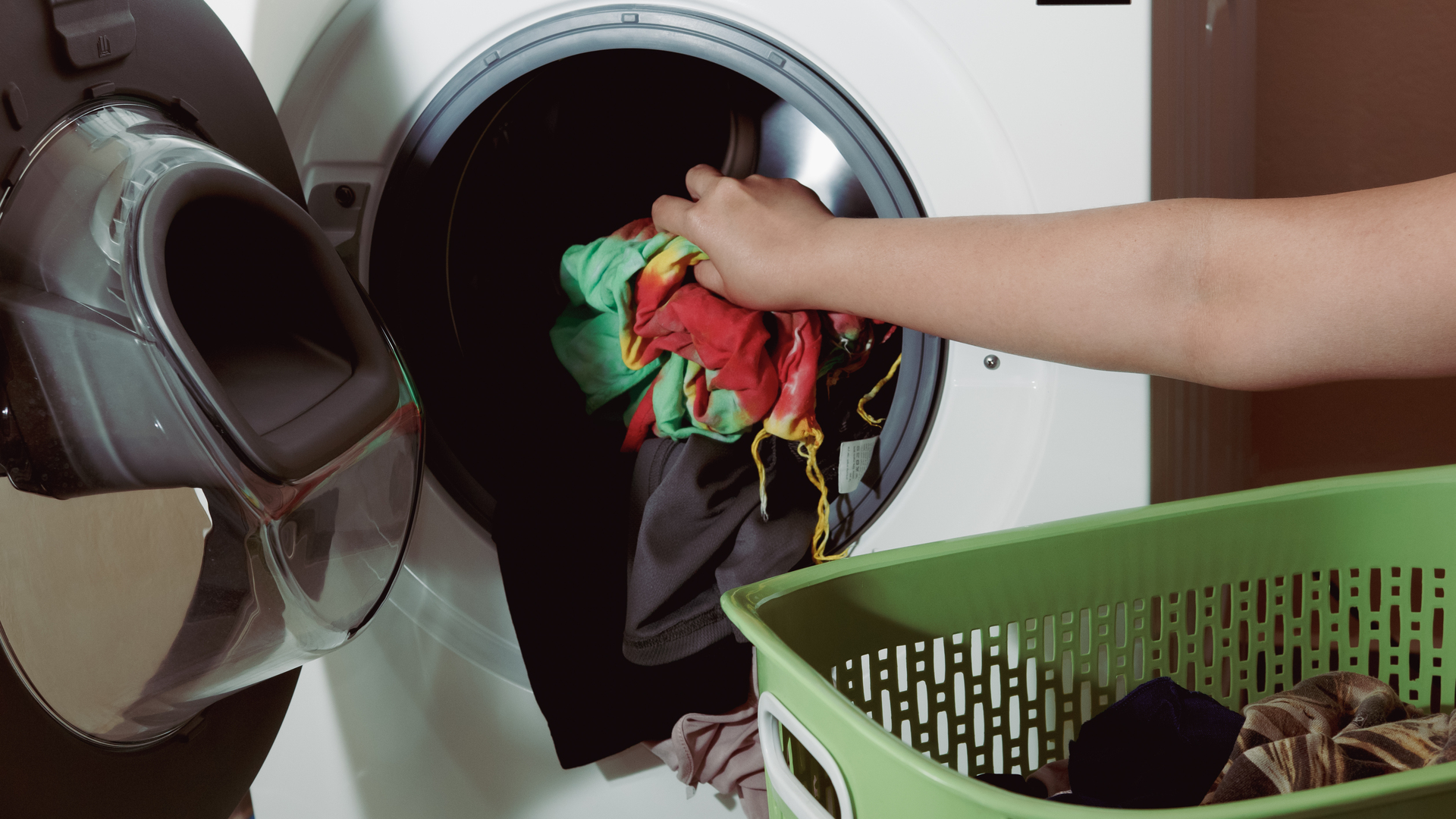
Condo living offers many conveniences, but dryer vent maintenance presents unique challenges that can put entire buildings at risk. Unlike single-family homes with short, direct venting paths, condominiums often feature complex shared systems with vertical stacks and hard-to-reach termination points that trap lint and debris over time.
Dryer Fires Pose Higher Risk in Condo Systems
The National Fire Protection Association reports an estimated average of 14,630 home structure fires per year involving clothes dryers and washing machines, resulting in $238 million in property damage. The U.S. Fire Administration specifically tracks approximately 2,900 residential clothes dryer fires annually. In multi-unit buildings, the National Fire Protection Association found an estimated 8,800 fires per year between 2012 and 2016 were caused by clothes dryers in apartment complexes, highlighting the heightened risk due to high density and shared systems.
Failure to clean dryer vents accounts for approximately 34% of all dryer fires. What makes condo systems particularly vulnerable is their complex design—long vertical runs, shared ductwork, and rooftop terminations create multiple points where lint can accumulate undetected.
Warning Signs Your Condo's Dryer Vent Needs Immediate Attention
Recognizing early warning signs can prevent dangerous situations and costly repairs. Condo residents should monitor their dryer performance closely, as shared systems can mask problems until they become severe.
1. Clothes Taking Multiple Cycles to Dry
When garments remain damp after a full cycle, restricted airflow is likely the culprit. This inefficiency not only wastes energy but indicates dangerous lint buildup that reduces ventilation. In condo systems, blockages can occur anywhere along lengthy duct runs, making professional diagnosis necessary.
2. Burning Smells or Excessive Heat
A burning odor during operation signals overheating components struggling against restricted airflow. The dryer cabinet feeling unusually hot to the touch indicates the appliance is working harder than designed. These symptoms demand immediate attention, continuing operation risks ignition of accumulated lint.
3. Lint Buildup Around Exterior Vents
Visible lint accumulation around exterior vent openings indicates poor airflow throughout the system. In multi-story buildings, checking rooftop terminations often reveals significant blockages that affect multiple units. Weak or absent airflow from exterior vents confirms system restrictions requiring professional intervention.
How Often Should Condo Dryer Vents Be Professionally Cleaned?
Cleaning frequency depends on usage patterns and system complexity. Unlike single-family homes, condo systems face additional challenges from shared ductwork and vertical configurations that trap debris more effectively.
Annual Cleaning for Standard Use
For most condo units with moderate dryer usage, professional cleaning once yearly prevents dangerous buildup while maintaining efficiency. This schedule accounts for the longer, more complex duct runs typical in multi-story buildings that accumulate lint faster than direct-vented systems.
Every 6 Months for Heavy Usage or Pet Owners
High-usage units and households with pets generate significantly more lint and debris. Pet hair combines with fabric fibers to create dense blockages that restrict airflow more severely. Properties with families doing multiple loads daily should schedule bi-annual cleanings to prevent system overload.
Who's Responsible: Unit Owner vs. HOA Cleaning Duties
Maintenance responsibility in condominiums varies significantly based on governing documents and system design. Understanding these divisions prevents costly misunderstandings and ensures proper care.
Owner Responsibility: Transition Ducts
Individual owners typically maintain the transition duct—the flexible hose connecting their dryer to the wall outlet. This includes regular inspection, cleaning, and replacement when damaged. However, this represents only a small portion of most condo vent systems.
HOA Responsibility: Main Lines and Roof Vents
Homeowner associations generally manage common ductwork, including vertical stacks, shared horizontal runs, and rooftop terminations. These components serve multiple units and require specialized equipment for proper maintenance. Professional services coordinate with building management to access restricted areas safely.
Check Your Condo Documents First
Governing documents define specific maintenance responsibilities, which vary considerably between properties. Some HOAs handle complete vent cleaning as part of building maintenance, while others limit involvement to common areas only. Reviewing these documents prevents confusion and ensures proper coverage.
Why Condo Dryer Systems Require Specialized Professional Equipment
Standard residential cleaning methods prove inadequate for complex condo systems. Professional-grade equipment addresses unique challenges that DIY approaches cannot handle effectively.
Complex Vertical Stacks and Shared Systems
High-rise buildings feature vertical duct stacks serving multiple floors, creating deep clogs that standard brushes cannot reach. Shared blockages create backpressure affecting units throughout the system. A case study from Clearwater Beach revealed a 12-story shared vent stack blocked by a bird's nest, causing extreme lint buildup and overheating dryers in units above the 6th floor.
Hard-to-Reach Rooftop Terminations
Rooftop vent terminations often suffer from pest infestations, weather damage, and severe blockages invisible from ground level. Professional technicians use high-powered vacuums, flexible brush systems, and inspection cameras to clear these critical access points that determine overall system performance.
Professional Dryer Vent Cleaning Prevents Fires and Reduces Energy Costs
Professional services deliver benefits extending far beyond basic lint removal. NADCA-certified technicians follow the Dryer Exhaust Duct Performance (DEDP) Standard to test system performance after cleaning, ensuring safe and efficient operation.
Clean vents improve energy efficiency by up to 30%, as unrestricted airflow allows dryers to operate at designed capacity rather than struggling against blockages. This efficiency extends appliance lifespan while reducing utility costs for individual units and common area systems.
Beyond fire prevention, professional vent cleaning improves indoor air quality by eliminating moisture retention that promotes mold growth. Property managers report reduced liability concerns and fewer maintenance complaints when implementing regular vent cleaning schedules.
Airflow Experts
City: Old Bridge
Address: 21 Hilliard Rd.
Website: https://www.airflowexpert.com/


Comments
Post a Comment