Does Mouth Tape Help With Snoring? What Research Actually Shows
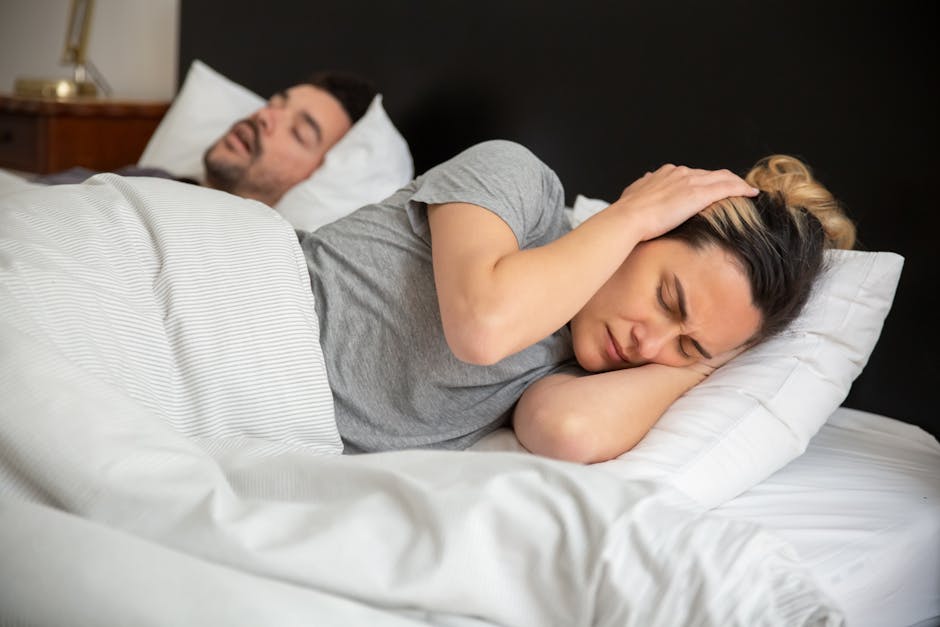
Snoring affects roughly 57% of men and 40% of women in the United States, yet most solutions people try end up gathering dust in a drawer. Mouth taping has emerged as one of the most talked-about remedies, and for good reason.
The premise is straightforward: place specialized tape over your lips before bed to encourage nose breathing instead of mouth breathing. While various approaches exist to address persistent snoring, understanding how mouth taping works, what to expect, and how to use it properly can make the difference between waking up refreshed or still feeling tired.
Why Breathing Through Your Mouth at Night Creates Problems
During sleep, when air struggles to move freely through your nose and throat, surrounding tissues vibrate and create that familiar rattling sound. What makes mouth breathing particularly problematic is how it relaxes throat tissues more than nasal breathing does, which narrows your airway and intensifies the vibrations, keeping everyone awake.
Your nose does far more than simply let air pass through on its way to your lungs. These passages filter out debris and harmful microbes while warming air to body temperature and adding crucial moisture for efficient oxygen processing. When you bypass this natural system through mouth breathing, dry mouth and bad breath often follow, along with disrupted sleep that leaves you exhausted despite spending eight hours in bed.
Understanding what triggers chronic mouth breathing during sleep helps explain why solutions that encourage nasal breathing have gained so much attention recently. Allergies block nasal passages with congestion, a deviated septum restricts airflow through one side, or enlarged tonsils create physical obstructions. Sometimes it's just a habit developed from years of sleeping in certain positions, but the result remains the same: poor sleep quality and constant snoring.
What the Research Actually Shows About Mouth Taping
While research on mouth taping remains somewhat limited, the studies conducted so far reveal promising results for people dealing with snoring. A small 2015 study examined people with mild obstructive sleep apnea who used a porous patch over their mouths while sleeping, and the outcomes were encouraging. All participants ended up breathing through their noses, experienced significantly less snoring, and had fewer instances of stopped breathing during the night.
Building on these findings, another study focused specifically on CPAP users who were losing air through their mouths during therapy. The results showed that taping helped minimize these leaks while improving overall therapy effectiveness, which meant better sleep quality and more consistent treatment outcomes for participants.
What's particularly interesting is how these studies highlight the connection between mouth breathing and snoring intensity. When your mouth stays closed during sleep, your body naturally relies on nasal breathing, which keeps airways more open and reduces the tissue vibrations that create noise. This explains why many people report noticeable improvements after just a few nights of consistent use.
How Mouth Taping Improves Your Nightly Rest
For people who already have clear nasal passages but have developed a mouth-breathing habit during sleep, this approach often delivers the most noticeable improvements. Your body responds well to gentle encouragement toward nasal breathing at night, which reduces throat tissue vibrations and helps restore more restful sleep patterns that leave you feeling actually refreshed in the morning.
CPAP users dealing with air leaks from their mouths have found this method particularly helpful in their treatment routine. By keeping lips gently sealed throughout the night, the tape maintains consistent air pressure from the machine, allowing the therapy to work as designed instead of losing effectiveness when your mouth falls open during deeper sleep stages.
Beyond just reducing snoring, many people notice other benefits that improve their overall sleep experience. Better oxygen exchange through nasal breathing helps maintain more stable sleep cycles, which means fewer middle-of-the-night wake-ups and more time in the deeper, restorative stages of sleep. The improved moisture levels in your mouth and throat also eliminate that parched, uncomfortable feeling many mouth breathers experience when they first wake up.
Getting the Best Results From This Approach
Starting with the right type of tape makes a significant difference in both comfort and effectiveness when you're trying this method. Medical-grade tape designed specifically for skin contact prevents irritation while still providing enough hold to keep your mouth gently closed throughout the night. Testing the approach during daytime naps first lets you see how your body responds before committing to overnight use.
Preparing your skin properly before applying the tape helps it stay in place without causing discomfort or leaving residue behind. Clean and dry your lips and the surrounding area, then apply the tape gently across your mouth in a way that feels comfortable but still encourages your lips to stay together. Some people prefer a vertical strip, while others find a horizontal application works better for their face shape.
Consistency matters more than perfection when you're developing this new sleep habit, so don't get discouraged if the first few nights feel a bit unusual. Your body needs time to adjust to breathing primarily through your nose during sleep, especially if you've been a mouth breather for years. Most people find that within a week, the practice starts feeling natural and the benefits become more noticeable.
When Professional Guidance Adds Value
Certain health situations call for consultation with a healthcare provider before trying mouth taping, though many people can explore this option safely on their own. If you deal with chronic nasal congestion, addressing these underlying issues first ensures you can breathe comfortably through your nasal passages before encouraging your mouth to stay closed at night.
For anyone with obstructive sleep apnea, working with a healthcare provider helps you understand how mouth taping might complement other treatments you're already using. Many people find it works well alongside CPAP therapy or other prescribed approaches, but getting professional input ensures you're using it in a way that supports your overall treatment plan rather than working against it.
Sleep studies provide valuable insights when occasional snoring turns into something more concerning or when you're not sure what's causing your breathing difficulties. Many healthcare providers now offer convenient at-home sleep tests that gather detailed information about your breathing patterns, oxygen levels, and sleep stages without requiring an uncomfortable night in a sleep lab.
Situations Worth Discussing With Your Doctor
A few circumstances benefit from professional consultation to ensure mouth taping fits well with your overall health picture:
- Anyone with obstructive sleep apnea should discuss how this approach might work alongside their current treatment plan
- People dealing with chronic nasal congestion, deviated septums, or ongoing sinus infections may need to address these issues first
- Individuals managing respiratory conditions like asthma should talk with their doctor about the best timing and approach
- Anyone experiencing frequent nausea or who has had alcohol before bedtime should wait until these factors aren't present
Combining Strategies for Even Better Sleep
Pairing mouth taping with other proven approaches often delivers better results than relying on just one method to improve your sleep quality. Sleep position makes a huge difference, since back sleeping allows throat muscles to relax and partially block your airway, while side sleeping keeps passages more open throughout the night.
Several lifestyle adjustments work beautifully alongside mouth taping to reduce snoring even further without requiring expensive equipment or complicated routines. Avoiding alcohol several hours before bedtime prevents the muscle relaxation that narrows your airway, while maintaining a healthy weight reduces the tissue pressure around your throat that contributes to breathing difficulties during sleep.
When you treat nasal congestion from allergies or infections, air flows more freely through your nose, which makes the entire experience more comfortable and effective. These complementary strategies build on each other to create better overall results, with each element supporting the others in a way that addresses snoring from multiple angles simultaneously.
Additional Methods That Work Well Together
- Position training: Side sleeping keeps airways more open throughout the night compared to lying on your back
- Nasal strips or dilators: Over-the-counter products physically open nasal passages to make nose breathing easier and more natural
- Bed elevation: Raising the head of your bed by a few inches uses gravity to help prevent airway narrowing
- Allergy treatment: Addressing underlying sinus problems ensures your nasal passages stay clear and functional
Anti-snoring mouthpieces that hold your tongue or jaw in specific positions work well for some people when combined with mouth taping. Proper fitting from a dentist helps these devices support your airways effectively while avoiding jaw discomfort, and together these approaches create a comprehensive system that addresses snoring from different directions for maximum effectiveness.
Making This Work for Your Specific Situation
Understanding your particular snoring patterns helps you choose the most effective combination of strategies for better sleep and quieter nights. Occasional snoring from sleeping position or temporary nasal congestion often responds well to straightforward approaches like mouth taping combined with position changes, while more consistent issues might benefit from a more comprehensive plan.
Healthcare providers can help you identify whether your snoring stems from simple mouth breathing habits or involves other factors worth addressing. Dentists evaluate oral structure to determine if enlarged tonsils or jaw positioning contribute to your nighttime breathing challenges, offering insights that help you build a more complete solution.
Starting gradually with mouth taping gives your body time to adjust to this new sleep habit without feeling overwhelmed or uncomfortable. Most people find their breathing naturally shifts toward nasal patterns within the first week, and the improvement in sleep quality becomes more obvious as their body adapts to this healthier breathing pattern.
Finding Your Path to Better Sleep
Research suggests mouth taping helps people with mild snoring achieve more restful sleep by encouraging healthier breathing patterns throughout the night. Individual results vary based on personal circumstances and underlying health factors, but consistency with the approach tends to deliver the most noticeable improvements.
After considering your specific situation, starting with medical-grade tape designed for skin contact provides the gentlest introduction to this method. Many people find that combining several strategies delivers better results than trying just one approach alone.
Position changes, addressing nasal congestion, and maintaining healthy sleep habits work together to improve rest quality for both you and your partner. Whether you're just beginning to address your snoring concerns or looking to enhance your current routine, building a sustainable approach that fits your lifestyle helps you achieve lasting results rather than temporary relief that fades after a few nights.
Snore Slayer
City: Henderson
Address: 2880 Bicentennial Parkway
Website: https://snoreslayer.com


Comments
Post a Comment