Dance Teacher Hiring: Strategies For A Winning Team & Common Mistakes To Avoid
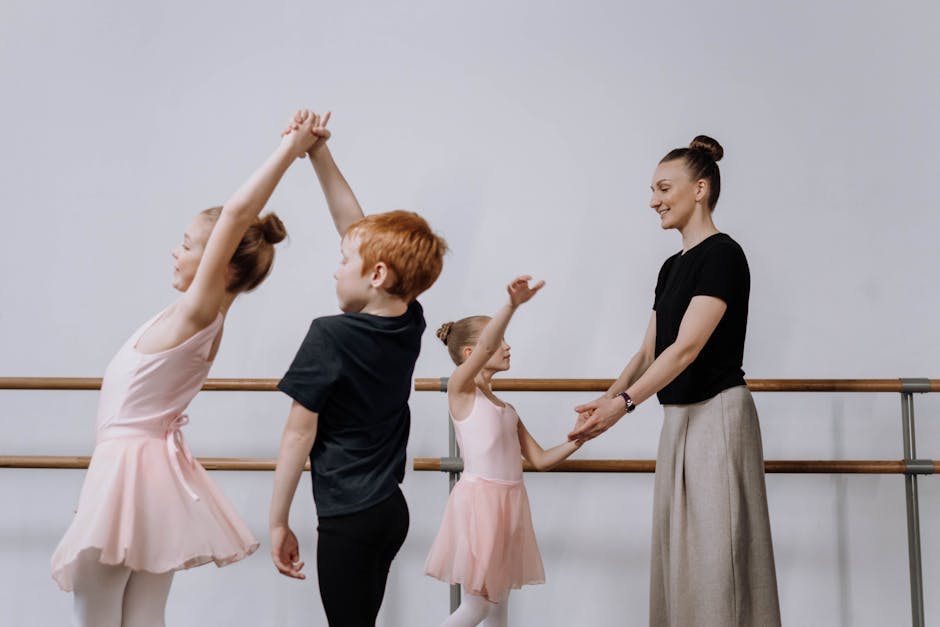
Your studio's reputation lives or dies based on who you hire to teach. When instructors connect with students and inspire growth, families stay for years and recommend you to friends. Poor hiring choices, however, create constant turnover that disrupts classes and sends parents looking elsewhere.
Most owners know hiring matters, yet they still make avoidable mistakes that cost them talented teachers and loyal students. Understanding where things typically go wrong helps you avoid the pitfalls that prevent you from building a winning team that keeps your studio thriving.
Writing Vague Job Descriptions That Confuse Everyone
Posting "dance instructor needed" tells candidates almost nothing about what you actually expect from them. Without details about teaching responsibilities, required dance styles, class levels, or scheduling expectations, qualified people can't tell if the role matches their skills. Meanwhile, you end up sorting through dozens of applications from people who aren't remotely suited for the position.
A solid job description serves both you and potential hires by setting clear expectations from the start. List the main responsibilities in order of importance, from planning lessons and teaching classes to preparing students for recitals. Mention the tools teachers will use, whether that's specific music software, scheduling systems, or classroom equipment; they should know how to operate them.
Be upfront about qualifications, too. If you need someone with formal dance education credentials, certifications in particular styles, or state teaching licenses, say so clearly. This honesty filters out unqualified applicants while attracting serious professionals who appreciate working for organized, transparent studio owners.
Skipping Thorough Background Checks
Some owners rush to fill positions and skip proper vetting, especially when a candidate seems impressive or comes recommended by someone they trust. However, dance teachers work directly with children in settings where safety and trust define everything. One bad hire can expose your business to serious liability and potentially harm students in ways that destroy your reputation overnight.
Proper screening starts with verifying where candidates actually worked before and how they performed in those roles. Contact previous studios or schools to ask specific questions about classroom management, student engagement, and professional conduct. Don't just accept what someone lists on a resume at face value.
Next, confirm that certifications and credentials are legitimate by checking directly with the organizations that issued them. Criminal background checks are absolutely required when working with minors. These should include fingerprinting and sex offender registry searches according to your state's requirements. Building adequate time into your hiring process for these checks prevents you from making decisions under pressure.
Choosing Technique Over Teaching Ability
An impressive performance resume doesn't guarantee someone can actually teach beginners or manage a classroom full of energetic kids. Technical brilliance and teaching ability are completely different skill sets. The most accomplished dancers sometimes struggle to break down movements for students who don't naturally understand coordination or rhythm.
Great teachers combine solid technique with genuine communication skills that make complex ideas accessible to different types of learners. They explain clearly, give constructive feedback without crushing confidence, and adjust their approach based on each student's needs. During interviews, ask candidates to describe how they'd teach a specific skill to struggling students or handle a disruptive class.
Words only reveal so much, though. Trial classes show you what really matters—how candidates interact with your actual students in your specific environment. Watch how they demonstrate movements, correct technique, manage classroom energy, and build rapport. If someone can't engage students during a single trial class, they definitely won't improve over time.
Ignoring Whether New Hires Fit Your Studio Culture
Technical qualifications matter tremendously, but personality mismatches create ongoing problems that affect everyone. When a teacher's approach clashes with your studio's values, it confuses families and sends mixed messages that undermine the experience you're trying to build. A highly competitive instructor won't thrive in a recreational-focused environment, just as a creative, free-spirited teacher might feel stifled in a rigid, technique-driven program.
Before interviewing anyone, get clear on what your studio actually values. Are you primarily focused on competitive success, inclusive participation, artistic expression, or some specific combination? Once you know this, be direct about your approach during conversations with candidates instead of telling them what you think they want to hear.
Listen carefully to how candidates discuss their previous teaching experiences and students. Their priorities will show through in these stories. Someone who constantly mentions competition placements and winning streaks probably won't embrace a participation-focused philosophy. Meanwhile, teachers passionate about creative exploration need room to experiment rather than follow strict choreography requirements.
Underpaying Teachers and Expecting Loyalty
Assuming dance teachers will accept low wages because they "love what they do" guarantees you'll lose good instructors to studios that value their expertise properly. Talented teachers leave for better opportunities, forcing you into exhausting hiring cycles that disrupt student progress and waste money on constantly training replacements. The costs of high turnover far exceed what you'd spend on paying competitive wages from the start.
Research what other studios in your area pay for similar positions, considering experience levels, certifications, class sizes, and responsibilities beyond teaching hours. Different factors affect fair compensation:
- Entry-level teachers typically earn $38,000 to $48,000 annually
- Mid-level instructors with proven success command $49,000 to $62,000
- Senior teachers with leadership roles can earn $63,000 to $80,000 or more
- Location and specialized skills significantly impact these ranges
Beyond base pay, benefits matter just as much for retention. Professional development funding for workshops and certifications shows that you invest in growth. Flexible scheduling demonstrates respect for teachers' personal needs. Access to quality facilities and opportunities to lead special projects keeps experienced instructors engaged instead of bored.
Throwing New Teachers Into Classes Without Support
Handing someone a class schedule and pointing them toward the music room isn't onboarding—it's abandoning them to figure everything out alone. New teachers who receive minimal guidance make preventable mistakes that frustrate families, create inconsistent experiences across classes, and often decide to leave during their first few months.
Strong onboarding begins with a comprehensive orientation covering studio policies, curriculum standards, safety procedures, and available resources. Introduce new hires to staff members who can answer questions and provide ongoing support. This foundation prevents confusion and sets clear expectations from day one.
Assigning an experienced teacher as a mentor makes an enormous difference during those crucial early weeks. This person can observe classes, offer feedback on lesson plans and classroom management, and serve as a trusted resource for navigating unwritten expectations. Regular check-ins during the first few months help you spot and address challenges early while celebrating successes that build confidence.
Building Your Team the Right Way
The teachers you employ shape whether families choose your studio and whether students develop a genuine passion for dance that lasts for years. Better hiring practices start with defining positions clearly, vetting candidates thoroughly, assessing both technical and interpersonal abilities, ensuring values align, offering fair pay, and providing real support from the beginning.
Improving your process doesn't require overhauling everything at once. Document clear job descriptions, establish thorough vetting that includes background checks and teaching demonstrations, and create structured onboarding. When you focus on developing strong teams through strategic hiring rather than just filling empty slots, you drive sustainable growth while competitors struggle with constant turnover.
Dance Teacher Web Conference and Expo
City: Las Vegas
Address: 3655 Las Vegas Blvd S
Website: https://www.danceteachersummerexpo.com/
Phone: +1 203 545 7147
Email: steve@danceteacherweb.com


Comments
Post a Comment