Cordless Ratchets For Mechanics: Why Battery-Powered Tools Beat Traditional
Key Takeaways
- Productivity boost:Cordless ratchets reduce alternator removal time by 6 minutes compared to pneumatic tools, primarily by eliminating compressor setup and hose management.
- Ergonomic advantage: Modern designs reduce muscle strain and fatigue by up to 42%, allowing mechanics to maintain productivity over longer periods.
- Superior durability: Brushless motors last up to 10 times longer than brushed motors while providing 20-35% longer runtime per charge.
- Cost-effective investment: Despite higher upfront costs, cordless ratchets eliminate ongoing expenses for air compressors, hoses, and maintenance.
- Precision control: Variable torque settings and thermal protection prevent costly damage that pneumatic tools cause 20% of the time.
Professional mechanics are increasingly abandoning traditional pneumatic and manual ratchets for battery-powered alternatives. This shift isn't just about convenience—it's about measurable improvements in productivity, tool longevity, and job site efficiency that directly impact the bottom line.
Why Professional Mechanics Are Making the Switch
The automotive repair industry has witnessed a dramatic transformation in recent years, with cordless ratchets becoming the preferred choice for experienced mechanics. This evolution stems from real-world performance advantages that translate into tangible benefits during daily operations. Unlike traditional pneumatic systems that require extensive setup and maintenance, battery-powered ratchets deliver immediate power without the constraints of air hoses or compressor dependencies.
The driving force behind this transition lies in the frustration mechanics experience with conventional tools during complex repairs. Tasks involving numerous fasteners in confined spaces—once tedious and physically demanding with manual ratchets—become significantly more manageable with cordless alternatives. Professional shops report that the elimination of setup time alone justifies the investment, allowing technicians to focus on actual repair work rather than tool preparation.
Productivity Gains That Matter in the Shop
1. Faster Setup Without Compressor Dependencies
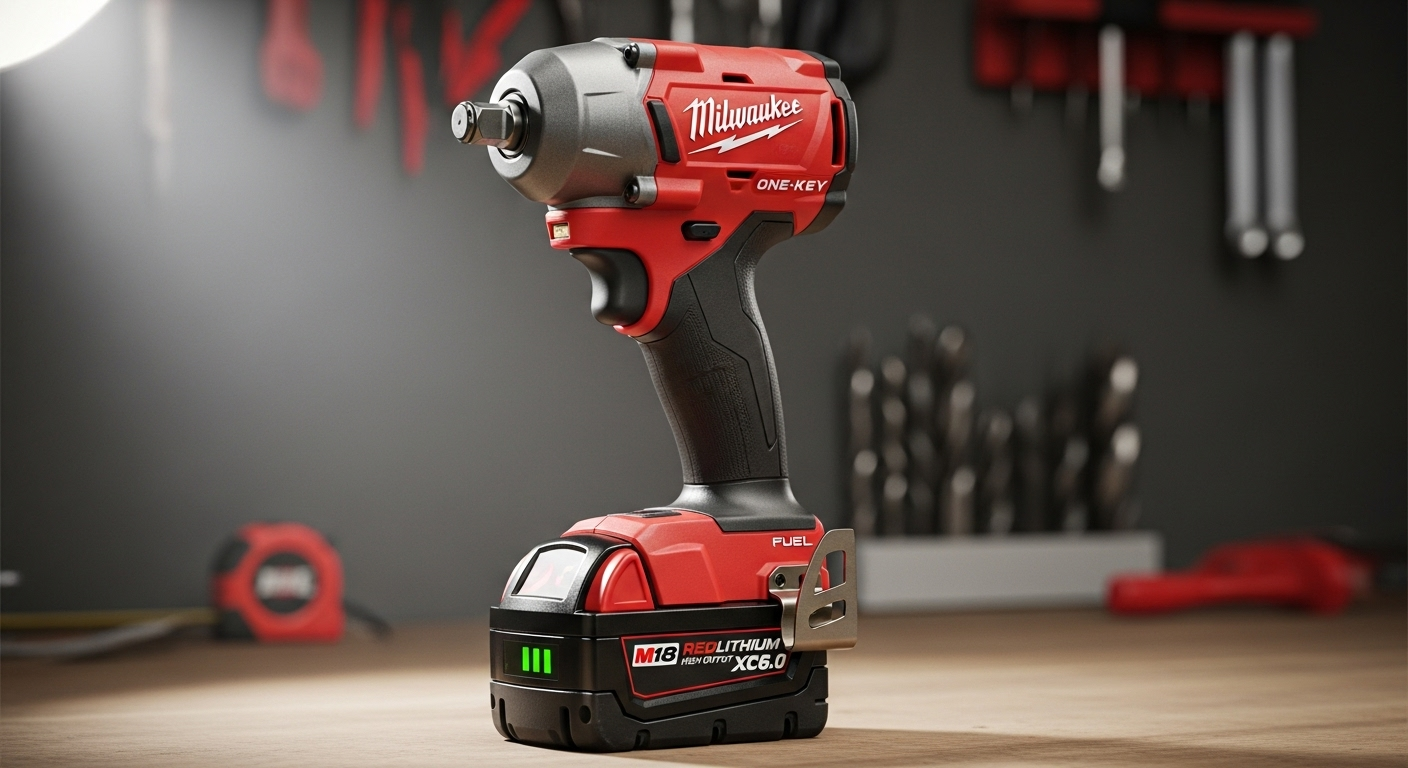
The most immediate advantage cordless ratchets offer mechanics is the elimination of compressor setup time. Real-world testing shows alternator removal can be completed in 22 minutes using cordless ratchets, compared to 28 minutes with pneumatic tools. This six-minute improvement per task compounds throughout the workday, especially when multiple vehicles require service. GenuineTools has analyzed Milwaukee ratchets and found that leading manufacturers are prioritizing setup efficiency in their latest designs.
Beyond time savings, the absence of air hoses eliminates workplace hazards and reduces setup complexity. Mechanics can move freely between vehicles without dragging heavy hoses or repositioning compressor connections. This mobility improvement becomes particularly valuable in busy shops where workspace efficiency directly impacts profitability.
2. Superior Performance in Confined Spaces
Modern vehicles present increasingly challenging repair environments, with compact engine bays and intricate component layouts. Cordless ratchets excel in these restricted spaces where traditional pneumatic tools struggle due to hose limitations and bulky connection points. Case studies on compact vehicle repairs highlight how cordless designs with no hose restrictions prove crucial for efficient work in cramped engine compartments.
The compact head design of premium cordless ratchets enables access to previously unreachable fasteners without requiring extensive component removal. This accessibility advantage reduces task completion time by approximately 15% in tight-space applications, as mechanics can address bolts directly rather than working around spatial constraints imposed by traditional tools.
3. Eliminating Repetitive Motion Fatigue
Repetitive motion injuries represent a significant concern for professional mechanics, particularly during tasks involving multiple fasteners. Cordless ratchets virtually eliminate the repetitive wrist motions required with manual tools, reducing the physical strain associated with lengthy repair procedures. The powered operation allows mechanics to maintain consistent productivity without the cumulative fatigue that builds throughout demanding workdays.
This fatigue reduction becomes especially noticeable during high-volume repair scenarios where dozens of fasteners require removal and installation. By automating the ratcheting motion, cordless tools allow mechanics to focus on positioning and torque control rather than the mechanical effort of turning each fastener.
Brushless Motor Technology Extends Tool Life
20-35% Longer Runtime Per Charge
Brushless motor architecture delivers substantial efficiency improvements that directly translate to extended operational time between charges. In high-use scenarios like automotive assembly, brushless motors extend runtime by 20-35% on a single charge compared to brushed alternatives. This efficiency gain results from superior energy conversion and reduced friction-induced power loss inherent in brushless designs.
The extended runtime proves particularly valuable during complex repairs that require sustained tool operation. Mechanics can complete entire engine teardowns without interruption, maintaining workflow continuity that would be impossible with less efficient motor designs. This reliability ensures that critical repair milestones aren't delayed by dead batteries.
10x Longer Lifespan vs Brushed Motors
The absence of physical brush contact in brushless motors eliminates the primary wear mechanism that limits traditional motor life. Professional-grade cordless ratchets with brushless motors demonstrate lifespans up to 10 times longer than brushed equivalents, significantly reducing replacement costs and maintenance downtime. This durability advantage stems from the elimination of wearable brush components that require periodic replacement in traditional designs.
For professional mechanics, this extended lifespan translates to predictable tool performance over years of intensive use. The reduced maintenance requirements allow shops to allocate resources toward revenue-generating activities rather than tool servicing and replacement.
Superior Heat Management Reduces Breakdowns
Advanced heat dissipation strategies in modern brushless drive systems prevent the thermal stress that causes premature tool failure. These systems incorporate heat-dispersing materials and optimized motor housing designs that maintain lower operational temperatures during demanding applications. Efficient heat management in brushless motors significantly reduces operational temperatures, directly contributing to extended motor longevity.
The superior thermal performance becomes critical during prolonged use in high-temperature environments common in automotive repair shops. By maintaining consistent operating temperatures, these motors avoid the thermal cycling damage that compromises tool reliability over time.
Lithium-Ion Battery Advantages
Significantly Lighter Than Legacy NiCad Batteries
Modern lithium-ion batteries represent a dramatic weight reduction compared to older NiCad technology, with current designs offering higher energy density in more compact packages. This weight reduction directly impacts user comfort during extended operation, particularly for overhead work where every ounce matters. The lighter battery design enables longer work sessions without the arm fatigue associated with heavier power sources.
The weight advantage becomes especially pronounced during complex repairs requiring extended tool use. Mechanics report significantly reduced fatigue levels when using lithium-ion powered tools compared to heavier alternatives, enabling sustained productivity throughout demanding repair procedures.
Consistent Power Output Throughout Discharge
Unlike older battery technologies that gradually lose power as they discharge, lithium-ion cells maintain consistent voltage output until depletion. This characteristic ensures that cordless ratchets deliver full torque throughout the entire battery cycle, eliminating the performance degradation common with aging battery chemistries. The consistent power delivery proves crucial for precision fastener work where torque variations can compromise joint integrity.
Mechanics benefit from predictable tool performance regardless of battery charge level, enabling accurate torque application even during the final phases of battery life. This reliability ensures that quality standards remain consistent throughout extended repair procedures.
Faster Charging Minimizes Downtime
Advanced lithium-ion charging systems enable rapid power restoration that minimizes interruptions to productive work. Modern battery management systems incorporate smart charging algorithms that optimize charge rates while protecting battery longevity, often achieving 80% capacity restoration in under an hour. This rapid charging capability allows shops to maintain continuous tool availability even during peak demand periods.
The fast-charging advantage proves particularly valuable in high-volume repair environments where tool availability directly impacts throughput. By minimizing charging downtime, shops can maintain full operational capacity without requiring extensive battery inventories.
Ergonomic Design Reduces Mechanic Fatigue
Balanced Weight Distribution Cuts Wrist Strain
Professional cordless ratchets incorporate sophisticated center-of-gravity calculations that optimize weight distribution for user comfort during extended operation. Ergonomic studies demonstrate that optimized tool balance reduces muscle strain by up to 42%, allowing mechanics to maintain productivity over significantly longer periods. The balanced design minimizes the wrist torque required to control the tool, particularly during overhead or awkward-angle applications.
This engineering approach proves especially beneficial during complex engine work where tool positioning varies constantly. By maintaining neutral wrist positions regardless of work angle, properly balanced ratchets prevent the cumulative strain that leads to repetitive motion injuries.
Advanced Vibration Dampening Technology
Leading manufacturers integrate sophisticated vibration reduction systems that significantly improve user comfort and safety. Technologies like Makita's AVT (Anti-Vibration Technology) actively dampen tool vibration, with some products showing vibration ratings nearly 50% lower than comparable products. These systems not only improve comfort but also improve work accuracy by providing more stable tool control.
The vibration reduction proves crucial for preventing Hand-Arm Vibration Syndrome (HAVS), a serious occupational hazard affecting mechanics exposed to prolonged tool vibration. By incorporating advanced dampening materials and design features, modern cordless ratchets protect long-term hand and arm health while improving immediate work comfort.
Compact Heads Access Tight Engine Bays
Contemporary vehicle designs demand increasingly compact tool profiles to access restricted engine compartments and chassis components. Modern cordless ratchets feature streamlined head designs that maintain full functionality while reducing overall tool dimensions. This compact engineering enables access to previously unreachable fasteners without requiring extensive component removal or specialized access tools.
The space-saving design particularly benefits mechanics working on import vehicles and modern domestic cars where engine bay packaging leaves minimal clearance around critical fasteners. By eliminating the access challenges common with bulkier tools, compact ratchet heads reduce repair complexity and completion time.
Precision Control Prevents Costly Damage
Variable Torque Settings Protect Fasteners
Advanced cordless ratchets incorporate multiple torque modes that enable precise fastener control across diverse applications. Unlike pneumatic tools that deliver constant high torque with a 20% damage risk, variable torque systems allow mechanics to match power output to specific fastener requirements. This controllability prevents the thread stripping and component damage common with less sophisticated tools.
The torque flexibility proves invaluable when working with mixed fastener materials and sizes within a single repair procedure. Mechanics can adjust power delivery without changing tools, maintaining workflow efficiency while protecting expensive components from over-torque damage.
Microprocessor Load Monitoring
Sophisticated electronic control systems continuously monitor tool performance and automatically adjust operation to prevent damage and optimize efficiency. These microprocessor-based systems detect load variations in real-time and compensate accordingly, maintaining consistent torque output while protecting both tool and fastener integrity. These smart systems significantly reduce operational errors while improving overall performance.
The intelligent monitoring capability enables predictive protection that prevents damage before it occurs, rather than simply responding to overload conditions. This proactive approach protects valuable components while maintaining the aggressive productivity that professional mechanics require.
Thermal Protection Circuitry
Integrated thermal protection systems like Makita's Star Protection Computer Controls actively monitor internal temperatures and implement protective measures to prevent overheating damage. These systems automatically reduce power output or initiate shutdown procedures when thermal limits approach, protecting both motor components and battery cells from damage. Enhanced protection systems have shown significant reductions in thermal-related tool failures.
This protection capability ensures reliable tool operation during demanding applications where sustained high-power operation might otherwise cause thermal stress. By preventing overheating damage, thermal protection systems extend tool life while maintaining consistent performance during intensive use periods.
Cordless Ratchets Deliver Superior Shop Efficiency
The transition to cordless ratchets represents more than simple tool upgrades—it fundamentally transforms shop operations through improved efficiency, reduced setup time, and better technician capabilities. Professional mechanics who adopt battery-powered technology report measurable improvements in job completion rates, customer satisfaction, and overall profitability. The combination of technological advancement and practical benefits creates a compelling case for modernizing traditional tool inventories.
Modern cordless ratchets typically provide 35-60 ft-lbs of torque for general automotive applications, with heavy-duty models reaching up to 70 ft-lbs when maximum power is required. This performance range covers virtually all fastener applications encountered in professional automotive repair, eliminating the need for multiple specialized tools. The versatility and reliability of current cordless technology make the transition from traditional methods both practical and profitable for forward-thinking repair facilities.
Genuine Tools
City: Beaverton
Address: 1500 NW Bethany Blvd.
Website: https://genuinetools.com/
Phone: +1 425-881-5000
Email: Sales@GenuineTools.com


Comments
Post a Comment