Commercial Plumbing Maintenance Guide: What Every Facility Manager Should Know
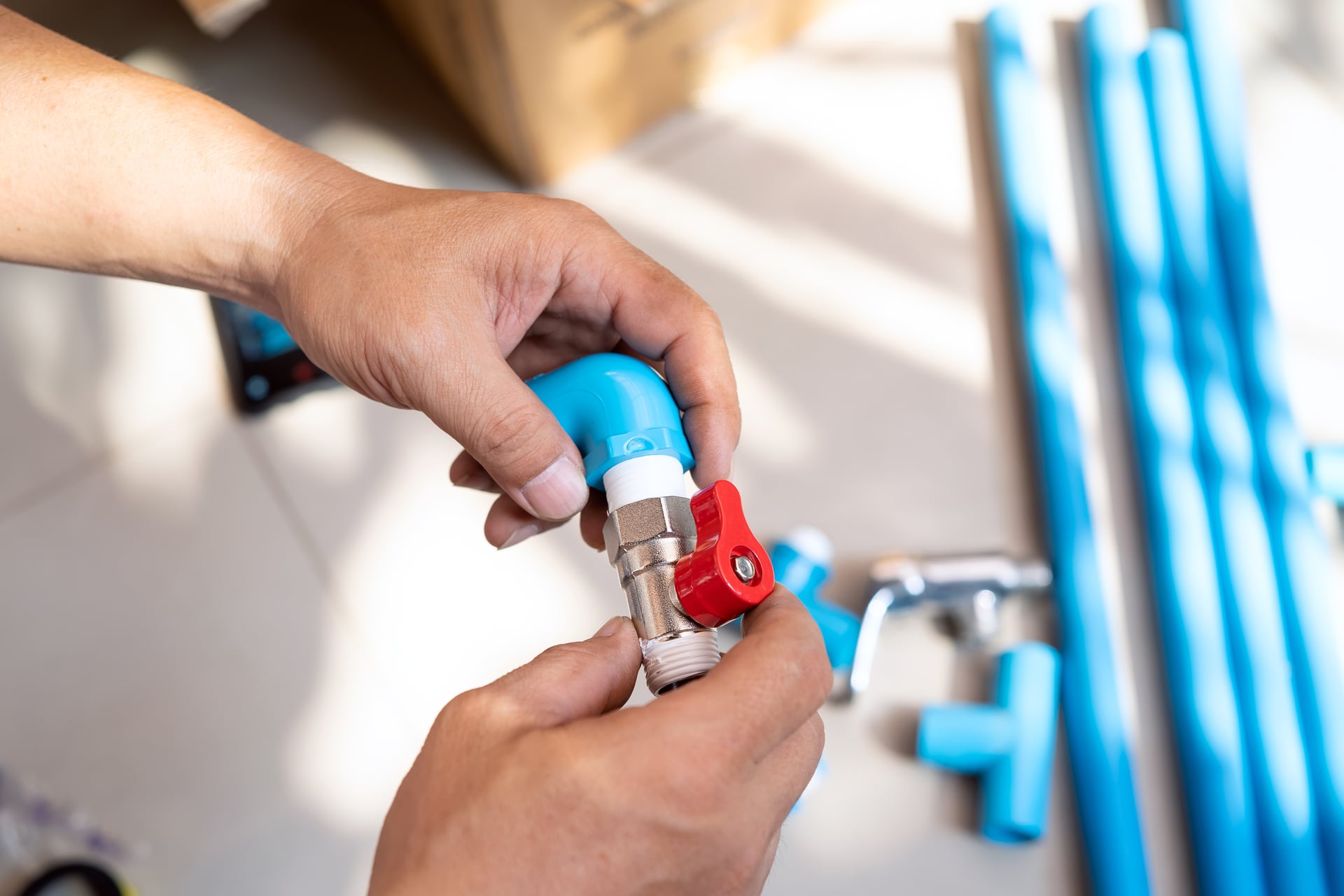
Plumbing is one of those things you don't think about until something goes wrong. And in a commercial building, when something goes wrong, it goes wrong in a big way.
The good news is that most plumbing emergencies are preventable. With a solid maintenance plan and consistent attention, you can keep your building's plumbing running smoothly, avoid costly repairs, and spare yourself the headaches that come with unexpected failures. This guide covers what every facility manager needs to know about commercial plumbing maintenance, from understanding your systems to building a preventive schedule that actually works.
Why Commercial Plumbing Maintenance Matters
Commercial plumbing systems are far more complex than residential ones. They serve more people, handle higher volumes, and operate under greater stress. The fixtures are used more frequently, the pipes run longer distances, and the consequences of failure affect not just one family but potentially dozens of businesses or hundreds of occupants.
When plumbing fails in a commercial setting, the ripple effects are significant. Business operations grind to a halt. Tenants complain, or worse, break their leases. Water damage destroys property and inventory. Emergency repairs cost a premium and rarely happen at convenient times.
There's also the regulatory side. Commercial buildings must meet plumbing codes and health regulations. Backflow prevention devices require annual testing. Grease traps need regular cleaning. Falling out of compliance can mean fines, failed inspections, or liability exposure.
Common Commercial Plumbing Problems
Clogged drains and sewer lines are among the most common plumbing issues in homes and commercial buildings. What starts as a slow drain often traces back to improper disposal of wipes or grease buildup, and in older properties, tree root intrusion can cause recurring blockages that require more than basic cleaning.
Leaks—both visible and hidden—are another frequent problem. Even small leaks waste water, raise utility bills, and damage structures over time. Hidden leaks are especially concerning because they can go undetected for months, creating conditions for mold growth and wood rot.
Water pressure problems may signal supply restrictions, mineral buildup, or failing regulators. Low pressure disrupts daily use, while high pressure strains pipes and fixtures, increasing the risk of premature failure.
Seemingly minor issues like running toilets and dripping faucets can waste thousands of gallons of water annually. Meanwhile, water heater failures can interrupt operations and, in severe cases, cause flooding if tanks rupture.
Backflow incidents pose serious health risks by contaminating clean water supplies, and aging galvanized or cast iron pipes eventually corrode and weaken, often requiring repair or full replacement to maintain system reliability.
Building A Preventive Maintenance Schedule
The key to effective plumbing maintenance is consistency. Create a schedule that breaks tasks into daily, weekly, monthly, and annual activities.
- Daily tasks might include visual checks of high-traffic restrooms and quick inspections for obvious leaks or fixture malfunctions.
- Weekly tasks could involve checking water pressure, testing sump pumps, and inspecting exposed pipes in mechanical rooms.
- Monthly tasks should include drain treatments, water heater inspections, and reviewing water usage reports for anomalies.
- Annual tasks require professional involvement, backflow preventer testing, water heater flushing, sewer line camera inspections, and comprehensive system evaluations.
Don't forget seasonal considerations. Before winter, ensure pipes in vulnerable areas are insulated, and exterior hose bibs are drained. Before summer, check cooling-related plumbing if applicable.
Document everything. A maintenance log creates accountability, helps track recurring issues, and provides valuable history when problems arise or when you're working with contractors.
Essential Maintenance Tasks Every Facility Manager Should Prioritize
Prioritize these:
Drain cleaning and inspection prevents the clogs that cause backups and overflows. Periodic professional cleaning keeps lines clear; camera inspections reveal developing problems before they become emergencies.
Water heater flushing and inspection removes sediment that reduces efficiency and shortens equipment life. Check anodes, temperature settings, and pressure relief valves regularly.
Backflow preventer testing is required by code and protects public health. Schedule annual testing with a certified professional and keep records.
Fixture checks and repairs catch small problems before they become big ones. Tighten loose handles, replace worn flappers, fix dripping faucets, and ensure toilets flush properly.
Leak detection and monitoring can be enhanced with modern technology. Smart water monitors can alert you to unusual usage patterns that suggest hidden leaks.
Grease trap cleaning is essential for food service facilities. Frequency depends on usage, but neglecting this leads to foul odors, slow drains, and code violations.
Pipe insulation and freeze prevention protect vulnerable pipes during cold weather, a small investment that prevents catastrophic damage.
Signs That Indicate Bigger Problems
Recognizing early warning signs can prevent minor plumbing issues from becoming costly repairs. While some problems seem small at first, recurring or unusual symptoms often point to deeper system concerns that require professional attention.
Repeated clogs or slow drains in the same location may signal more than simple buildup, potentially indicating a deeper blockage, tree root intrusion, or pipe damage. An unexplained increase in your water bill can also suggest a hidden leak behind walls, beneath flooring, or underground.
Changes in water quality—such as discoloration or unusual odors—may indicate corrosion, contamination, or sewer gas intrusion. Inside the home, water stains, persistent dampness, or mold often point to leaks that have been developing over time and should be addressed quickly to prevent structural damage.
Fluctuating water pressure and unusual sounds like banging or gurgling can further signal supply issues, obstructions, or air in the lines. When these warning signs appear, prompt action is essential, as early repairs are far less disruptive and expensive than major plumbing failures.
When To Call A Professional Plumber
Some tasks are better left to the professionals. Know the difference between routine maintenance you can handle and specialized work that requires expert skills and equipment.
Backflow testing, sewer line inspections, water heater servicing, and any work involving gas lines or major pipe repairs should be left to licensed commercial plumbers.
Emergencies, major leaks, sewage backups, no hot water, or flooding require immediate professional response. Have a reliable plumber's number readily available, not something you're searching for in a crisis.
When choosing a commercial plumbing contractor, look for proper licensing, insurance, experience with buildings similar to yours, and strong references. A contractor who knows your building and its quirks is invaluable. Building a long-term relationship with a trusted service provider means faster response times, better pricing, and someone who understands your system's history.
Protecting Your Building For The Long Term
A well-maintained plumbing system runs reliably, costs less over time, and protects your building from the kind of catastrophic failures that damage property, disrupt operations, and frustrate tenants.
Invest the time to understand your systems, build a realistic maintenance schedule, and develop relationships with qualified professionals. The effort you invest now prevents the kind of emergencies no facility manager wants to manage later.
Redline Plumbing LLC
City: Las Vegas
Address: 5828 Spring Mountain Rd. Suite 305
Website: https://redlineplumbing-lv.com/


Comments
Post a Comment