Choosing A POS System for US Restaurants: Key Features & Factors to Consider
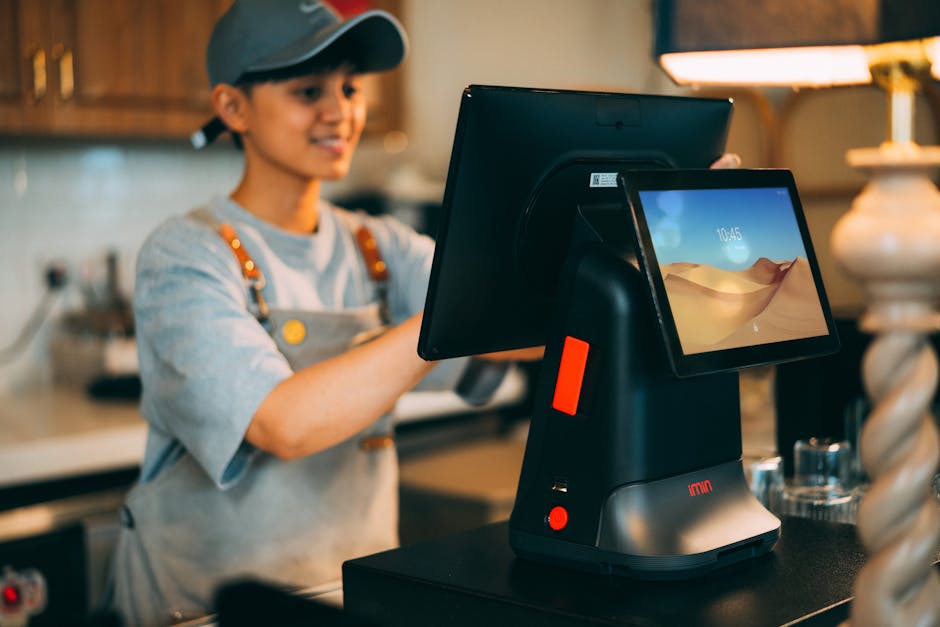
Restaurant owners waste thousands yearly on point-of-sale systems that don't fit their operations, according to specialists like those at POS USA, who work with food service businesses nationwide. Wrong choices slow service during rushes, confuse staff, and create payment processing headaches.
Smart selection means understanding which features match your operation and which add unnecessary complexity. When you're evaluating technology that fits your restaurant's unique workflow, you're protecting your investment while positioning for growth. Here's what actually matters when making this crucial decision.
The Real Cost of Getting It Wrong
Your choice today shapes restaurant efficiency for years because switching later means retraining staff, transferring customer data, and enduring downtime during peak hours. Too many owners discover their system can't handle delivery integrations or track profitability across menu items. That's when regret sets in, often accompanied by substantial financial losses.
Everything connects to this decision—from order speed to kitchen accuracy to payment completion. Getting it right means fewer mistakes, happier employees focusing on hospitality instead of wrestling technology, and clearer insights into profitable menu items versus resource drains. Conversely, poor choices compound daily frustrations until they affect your bottom line measurably.
The ripple effects extend beyond immediate operations into customer satisfaction and staff retention rates. When technology creates friction rather than removing it, experienced servers leave for competitors with better tools while customers notice slower service and more frequent order errors.
Match Your System to Your Service Style
Quick service restaurants face completely different demands than fine dining establishments because transaction speed and order volume create distinct operational challenges. A coffee shop handling hundreds of small purchases needs lightning-fast payment processing, whereas full-service restaurants benefit more from table management and flexible check-splitting capabilities.
Delivery dependence matters significantly here. If third-party platforms drive substantial revenue, automatic order routing into your kitchen display becomes non-negotiable rather than optional. Similarly, detailed inventory alerts suit some operations perfectly while others need only basic sales reporting for weekly purchasing decisions.
Counter service operations prioritize speed above everything else since customers standing in line expect immediate transactions. Table service environments can afford slightly slower processing because the social dining experience creates natural buffer time that quick service locations never enjoy.
Simple Design Keeps Service Flowing
New employees should navigate your interface confidently within their first shift without constant supervision from veteran staff members. When menu structures hide functions or require extensive searching, order accuracy suffers and frustrated kitchen staff receive incorrect tickets that waste ingredients and preparation time.
The strongest systems use identical, intuitive steps for adding items, modifying orders, and processing payments every single time. During busy rushes when speed matters most, large touch targets prevent costly mistakes that waste food and lose customers permanently.
Color coding, logical grouping, and clear labeling make the difference between systems that employees embrace and those they actively resist using. Training time decreases dramatically when interfaces follow familiar patterns rather than forcing workers to memorize arbitrary workflows unique to one vendor's peculiar design philosophy.
Menu Control Without the Complexity
Removing sold-out items instantly prevents servers from promising dishes the kitchen can't deliver anymore. Beyond that, automatic menu transitions between breakfast, lunch, and dinner save managers from manual switching throughout the day while reducing opportunities for human error during shift changes.
Special requests need clear communication pathways to kitchen staff so dietary restrictions and preparation preferences reach cooks accurately. Meanwhile, seasonal changes or limited promotions should take minutes rather than hours of reprogramming that pull managers from more critical responsibilities like staff development and customer service improvements.
Modifier options deserve particular attention because customization drives customer satisfaction in modern dining environments. Systems handling complex modifications smoothly—extra ingredients, cooking temperatures, allergy accommodations—support the personalization expectations today's diners bring to every restaurant visit regardless of price point.
Payment Options Customers Demand
Today's diners expect seamless payment through credit cards, debit cards, mobile wallets, and contactless methods without friction or delays. Your system must accept every common payment type while maintaining security standards protecting both business and customer data from increasingly sophisticated fraud attempts.
Split payment functionality proves more crucial than many owners anticipate when evaluating initial requirements. Groups dining together regularly want bills divided multiple ways or individual payment for separate orders without creating confusion for servers or delays for other tables. Additionally, flexible tip processing gives customers choice while ensuring proper server compensation.
Integrated payment processing typically costs less over time than separate merchant services requiring manual reconciliation between systems. When payments flow directly through your POS rather than standalone terminals, daily closeout procedures simplify dramatically while reducing opportunities for discrepancies between sales records and bank deposits.
Mobile Technology Transforms Operations
Tableside ordering through tablets eliminates terminal bottlenecks during peak periods when stationary systems create lines and delays. Orders entered at the table reach the kitchen immediately, cutting miscommunication while accelerating food preparation and improving overall dining experiences through reduced wait times.
Remote monitoring changes management fundamentally by enabling real-time oversight regardless of physical location. Checking sales reports and inventory levels from anywhere enables better decisions throughout the day without being office-bound, while even on days off, you can monitor operations and address emerging problems immediately before they escalate.
Mobile capabilities extend beyond tablets to include smartphone apps that managers use for approvals, reporting, and system adjustments. This flexibility proves especially valuable for multi-location operations where owners split time between different restaurants or handle administrative tasks from home offices.
Support That Matches Your Hours
Equipment typically fails during your busiest service periods when everything needs to work perfectly for customer satisfaction and steady revenue flow. Consequently, system providers must offer support during all restaurant operating hours instead of just standard business schedules when problems rarely strike food service establishments.
Comprehensive training resources beyond basic setup separate efficient staff from employees learning only bare minimum functions. Video tutorials, written guides, and responsive customer service help teams maximize features already included in monthly costs rather than paying for capabilities that go unused due to inadequate education.
The quality of technical support often matters more than the initial system choice because even excellent technology becomes worthless when issues arise without available assistance. Response times, technician knowledge levels, and problem resolution rates reveal vendor commitment to customer success beyond the initial sale.
Warning Signs to Avoid
Long-term contracts with steep cancellation penalties trap you in systems that can't evolve with your growing or changing restaurant concept. Similarly, hidden fees for reporting, inventory management, or additional users inflate costs far beyond advertised base prices that seemed reasonable during initial evaluations.
Proprietary hardware requirements from single vendors eliminate flexibility for affordable component upgrades or quick replacements when equipment fails. Furthermore, cloud platforms requiring constant connectivity create serious risks if internet drops during service, blocking transaction processing entirely and forcing manual workarounds that slow operations dramatically.
Vendors unwilling to provide references from similar restaurants or rushing you toward quick decisions raise legitimate concerns about product quality or service reliability. Taking time for thorough evaluation protects against expensive mistakes that become apparent only after implementation when switching costs discourage corrections.
What Experienced Operators Prioritize
Reliability trumps flashy features because system crashes cost more in lost sales and frustrated customers than advanced capabilities deliver in operational improvements. Therefore, experienced operators choose vendors with proven track records serving similar restaurants rather than companies making unproven promises about capabilities under development.
Scalability matters more than complete features from day one since successful restaurants need systems adapting to changing circumstances as businesses grow. Starting with flawless core functionality beats paying for advanced features your team won't use until much later or possibly never as priorities shift.
Integration capabilities with accounting software, payroll systems, and third-party platforms determine long-term value more accurately than standalone features available at purchase. As operations mature, connected systems eliminating duplicate data entry save countless hours while reducing errors that create financial discrepancies.
Test Before You Commit
Running trials during actual service conditions reveals problems invisible during controlled sales demonstrations using sample data instead of real-world complexity. Consequently, requesting trial periods with real staff using your actual menu during typical rushes proves essential before signing multi-year agreements costing thousands in upfront and recurring fees.
Calculate total costs over several years instead of focusing solely on monthly fees that obscure true expense. Implementation expenses, training time, and ongoing support dramatically affect which option delivers genuine value versus which simply charges premium pricing for marketing and brand recognition without corresponding operational benefits.
Keep Your Investment Working
Annual system reviews identify unused paid features while revealing gaps where additional capabilities would solve operational challenges becoming apparent through daily use. Regular staff training ensures new employees learn proper procedures while veterans discover time-saving workflow improvements that experienced users often overlook.
The right point-of-sale system becomes nearly invisible because it works reliably and intuitively throughout every shift. Making thoughtful choices based on your restaurant's specific needs rather than trends or sales pressure, especially when exploring comprehensive point-of-sale solutions for food service, sets up years of smooth operations and sustainable profitability.
POSUSA
City: Arlington
Address: 2000 E Lamar Blvd #600
Website: https://www.posusa.com
Phone: +1 888 243 3831


Comments
Post a Comment