Choosing Interior Doors for Your Home: Indiana Expert Shares Key Design Factors
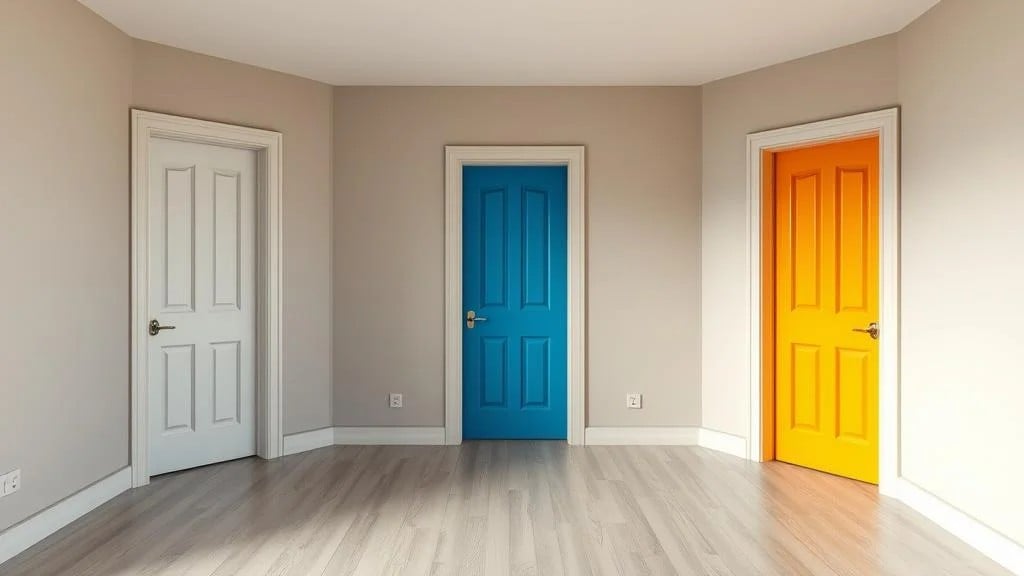
Most homeowners agonize over paint colors and countertops, then barely glance at interior doors, only to regret it later when rooms feel off, doors warp early, or spaces never quite function the way they should have from the start.
An Indiana-based Expert from One Day Doors & Closets explains that when it comes to lasting home upgrades, doors quietly affect how rooms feel, function, and hold up over time. Professionals in doors and closets who guide homeowners through these decisions see the same oversights repeatedly, and the factors behind them are more straightforward than most people expect.
Why the Wrong Door Follows You for Years
Doors aren't like paint, so you can't redo them on a weekend when you change your mind. A door that warps in a humid bathroom or fails to muffle sound in a bedroom becomes a daily frustration that builds slowly over time. Because they're a long-term commitment, getting the decision right from the start matters far more than most people realize.
Match the Door to What the Room Actually Needs
Not every room makes the same demands, and treating all doors equally is where many homeowners go wrong. A bedroom door needs to hold sound back and offer real privacy, while a closet door just needs to operate smoothly without eating into floor space. Bathrooms are a different challenge altogether, since consistent humidity will shorten the life of any door with an untreated or unsuitable finish.
Before settling on a style, think about what each space actually requires:
- Bedrooms and home offices: solid core construction with sound insulation
- Bathrooms and laundry rooms: moisture-resistant materials or finishes
- Closets and pantries: space-saving options like bi-fold or sliding doors
- Living and dining areas: glass-panel or French doors where light flow matters
The Material Makes More Difference Than You Think
How a door performs over time comes down largely to what it's made of, and that affects everything from sound insulation to how much upkeep it demands. Solid wood carries a warm, natural appeal, but it responds to humidity and needs occasional maintenance to stay in good shape. Engineered wood and MDF resist warping and cracking more reliably, which makes them a practical choice in rooms where moisture levels shift.
Hollow-core doors sit at the affordable end of the spectrum, but they offer very little in terms of privacy or durability. For rooms where those things matter, which is most of them, solid-core doors are worth the extra cost.
Keep the Style Consistent So Nothing Feels Out of Place
A door can look great on its own and still feel wrong if it clashes with the rest of your home. Panel doors bring structure and work across both traditional and transitional interiors, while flush doors suit modern spaces with their clean, smooth surfaces. French doors with glass panels are a strong choice wherever you want rooms to feel connected without fully opening them up.
Beyond door style, the finish, color, and hardware you choose all play into whether a door belongs or stands out awkwardly. Matching wood tones, coordinating hardware finishes, and staying consistent throughout your home make the whole interior feel more considered.
Don't Let a Beautiful Door Ruin the Layout
Even a well-chosen door becomes a problem if it fights with the room it's in. Standard hinged doors need enough clear floor space to swing fully open, which creates real issues in tighter rooms and narrow hallways. Fortunately, there are options worth considering when space is limited:
- Pocket doors: slide into the wall, freeing up floor space entirely
- Bi-fold doors: fold inward and work well for closets in compact areas
- Sliding barn doors: move along a wall-mounted track without requiring swing clearance
- Standard hinged doors: the most versatile option, where space isn't a constraint
Set Your Budget Before You Fall for Something Out of Range
It's easy to fall in love with the most attractive option in the showroom, and then stretch the budget unevenly, trying to match it everywhere else. Higher-end doors typically use better core materials and more durable finishes, which translates into longer performance over time. That said, you don't always need the top-tier option to get a door that looks good and holds up well.
Spreading your budget thoughtfully across all the doors in your home will serve you better than overspending on one and cutting corners on the rest.
The Small Details That Make or Break the Finished Look
Hardware is easy to underestimate, until you notice handles that feel flimsy, hinges that creak, or knobs that look completely out of place against an otherwise updated interior. Choosing hardware that complements your door style and ties into the room's broader design is a finishing step that carries more visual weight than most people expect.
Knowing What You Want Makes All the Difference
Going into a showroom with a clear sense of your room's function, your home's style, and your budget puts you in a far stronger position than browsing without direction. You'll ask better questions, evaluate options faster, and walk away with something that genuinely fits. For homeowners ready to move forward, connecting with a door specialist in your area is a practical next step toward a decision you'll be confident in for years to come.
One Day Doors & Closets of Indiana
City: Indianapolis
Address: 8481 Bash St
Website: https://onedaydoorsandclosets.com/?tgi=9513
Phone: +1 317 659 6836


Comments
Post a Comment