Can Testosterone Therapy Trigger Hair Follicle Shrinkage? Side Effects Explained
Key Takeaways
- Testosterone Replacement Therapy increases DHT levels by 2-3 times baseline, which can shrink hair follicles and accelerate hair loss in genetically predisposed men
- Your AR gene sensitivity determines how much DHT impacts your hair follicles - family history of male pattern baldness is the strongest predictor of TRT-related hair loss
- Prevention strategies like finasteride and minoxidil are most effective when started before hair loss begins, with success rates dropping significantly once follicles have already miniaturized
- Studies show varying rates of men experience hair thinning within the first year of TRT, but proven treatments can stop hair loss in most cases when finasteride is used
- Sexual side effects from DHT-blocking medications range from 2-16% depending on the specific treatment type
For men considering or currently undergoing Testosterone Replacement Therapy, hair loss remains one of the most concerning potential side effects. While TRT offers significant benefits for energy, muscle mass, and overall well-being, the prospect of accelerated balding can create anxiety about starting treatment. Understanding the science behind testosterone-induced hair loss - and more importantly, the proven strategies to prevent it - empowers men to make informed decisions about their hormonal health.
TRT Increases DHT Levels That Shrink Hair Follicles
The relationship between testosterone therapy and hair loss centers on a powerful hormone called dihydrotestosterone (DHT). When testosterone enters the body through TRT, approximately 5-10% converts into DHT through an enzyme called 5-alpha reductase. DHT is significantly more potent than testosterone, binding with approximately 2-5 times greater affinity to androgen receptors in hair follicles and showing 2.5-10 times greater potency in bioassays.
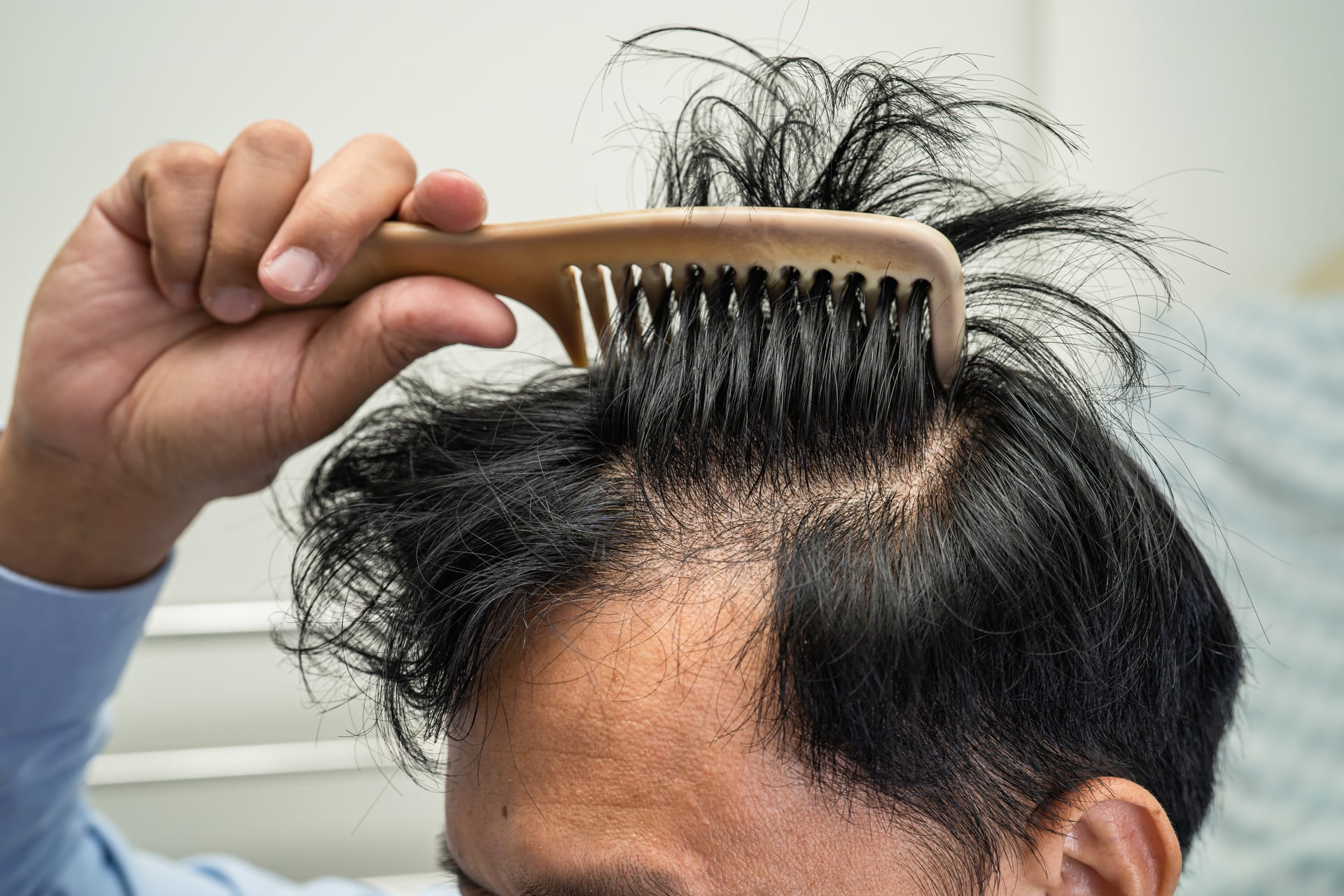
Once DHT attaches to these receptors, it triggers a cascade of genetic changes that gradually shrink the hair follicle. This process, called follicle miniaturization, occurs over months and years. The affected follicles produce progressively thinner, shorter hairs until they eventually stop producing hair altogether. Research from university medical centers shows that TRT can increase DHT levels by 2 to 3 times above baseline, with the exact elevation depending on dosage and administration method.
Transdermal gels and patches may create higher DHT elevation compared to intramuscular injections, with some studies showing gels can increase DHT levels by approximately 5.46-fold versus 2.20-fold for injections. This elevated DHT doesn't just affect hair - it also impacts prostate tissue, which is why men on TRT require regular monitoring. Expert guidance on managing these hormonal changes becomes vital for maintaining both hair health and overall wellness during testosterone therapy.
Your Genetic Profile Determines Hair Loss Risk
Not every man on TRT will experience significant hair loss. The determining factor lies in individual genetic makeup, specifically variations in genes that control androgen receptor sensitivity and DHT metabolism. Understanding these genetic factors helps predict who faces the highest risk of testosterone-induced hair thinning.
AR Gene Sensitivity Controls DHT Impact
The AR (androgen receptor) gene creates the protein receptors that DHT binds to in hair follicles. Men with highly sensitive AR gene variants require much smaller amounts of DHT to trigger follicle shrinkage. Even modest increases in DHT from TRT can accelerate hair loss in these genetically susceptible individuals.
Conversely, men with less sensitive androgen receptors may tolerate significantly higher DHT levels without experiencing noticeable hair thinning. This genetic variation explains why some men maintain full heads of hair despite decades of high testosterone levels, while others begin balding in their early twenties with normal hormone levels.
Family History Predicts Male Pattern Baldness
The strongest predictor of TRT-related hair loss remains family history of male pattern baldness. Men with fathers or maternal grandfathers who experienced early or extensive balding face substantially higher risk of accelerated hair loss on testosterone therapy. This hereditary component affects both the timing and pattern of hair loss.
The age when family members began losing hair also provides valuable insight. Men whose relatives started balding in their twenties or thirties typically show similar patterns, while those from families with later-onset hair loss may have more time before TRT significantly impacts their hairline.
TRT Accelerates Hair Loss in Predisposed Men
Clinical studies tracking men through their first years of testosterone therapy reveal concerning patterns for those genetically predisposed to hair loss. The data shows that TRT doesn't cause hair loss in men who wouldn't eventually experience it naturally - instead, it dramatically accelerates the timeline.
Studies Show Variable Hair Thinning Rates Within First Year
Research indicates that varying percentages of men on TRT report noticeable hair thinning within the first 12 months of treatment, with rates differing based on study populations and methodologies. Men with strong family histories of baldness cluster at the higher end of these ranges.
The hair loss typically follows the classic male pattern baldness progression - receding temples, crown thinning, and eventual vertex balding. However, TRT can significantly accelerate what might normally occur over many years. Early recognition and treatment remain critical for preserving existing hair density.
DHT Levels Can Triple on Testosterone Therapy
Laboratory studies demonstrate that TRT can increase serum DHT levels by 200-300% above baseline measurements. The elevation depends heavily on the testosterone dose, administration route, and individual metabolism. Different delivery methods create varying DHT responses in patients.
Higher testosterone doses generally correlate with greater DHT increases. These elevated levels persist throughout treatment cycles, maintaining constant pressure on susceptible hair follicles. Understanding these pharmacokinetics helps healthcare providers optimize dosing strategies to minimize hair loss risk while maintaining therapeutic benefits.
Proven Prevention Strategies That Work
Fortunately, several evidence-based treatments can effectively prevent or slow TRT-induced hair loss. The key lies in starting prevention early, ideally before beginning testosterone therapy or at the first signs of thinning. Each approach targets different aspects of the hair loss process.
1. Finasteride Blocks DHT Production
Finasteride (Propecia) inhibits the 5-alpha reductase enzyme responsible for converting testosterone into DHT. Daily doses of 1mg can reduce DHT levels substantially, effectively protecting hair follicles from hormonal damage. Clinical trials specifically examining finasteride use alongside TRT show superior hair preservation compared to testosterone therapy alone.
The medication works systemically, affecting DHT production throughout the body. This approach makes finasteride particularly effective for men on higher testosterone doses who experience significant DHT elevation. However, the DHT suppression can impact other bodily functions, requiring careful monitoring and patient education.
2. Minoxidil Promotes Blood Flow to Follicles
Topical minoxidil (Rogaine) operates independently of hormonal pathways, making it an excellent complement to DHT-blocking strategies. The medication enhances blood circulation to hair follicles and prolongs the active growth phase of the hair cycle. Clinical studies demonstrate minoxidil's effectiveness for hair regrowth in many men.
Unlike finasteride, minoxidil doesn't interfere with hormone levels, making it suitable for men who prefer to avoid systemic DHT suppression. The treatment requires consistent daily application and typically shows results within 3-4 months of regular use. Combining minoxidil with DHT blockers often produces superior outcomes compared to either treatment alone.
3. PRP Injections Stimulate Growth Factors
Platelet-rich plasma (PRP) therapy harnesses the body's natural healing mechanisms to rejuvenate hair follicles. The treatment involves extracting platelets from the patient's blood and injecting the concentrated growth factors directly into thinning areas of the scalp.
Randomized controlled trials demonstrate significant improvements in hair density and thickness with PRP therapy. One study noted substantial reductions in hair loss between the first and fourth treatment sessions, with minimal side effects reported. The treatment typically requires 3-4 initial sessions spaced 4-6 weeks apart, followed by maintenance treatments every 6 months.
4. Dutasteride Offers Stronger DHT Blocking
Dutasteride provides more potent DHT suppression than finasteride by blocking both Type I and Type II 5-alpha reductase enzymes. This dual inhibition can reduce DHT levels by up to 90%, offering superior protection for men with severe genetic predisposition to hair loss.
The enhanced DHT suppression comes with increased risk of side effects, particularly sexual dysfunction. Dutasteride also has a longer half-life, meaning side effects may persist longer after discontinuation. This medication typically reserves for cases where finasteride proves insufficient or when aggressive hair loss prevention is warranted.
Treatment Success Rates and Sexual Side Effects
Understanding both the efficacy and potential risks of hair loss prevention treatments helps men make informed decisions about their care. Clinical data provides clear insights into what patients can realistically expect from different therapeutic approaches.
Finasteride Stops Hair Loss in 83% of Men
Large-scale clinical trials demonstrate that finasteride successfully halts hair loss progression in 83% of men who use the medication consistently. Additionally, approximately 65% of users experience some degree of hair regrowth, particularly in the crown area where follicles may be less severely affected.
The treatment shows greatest success when started early in the hair loss process. Men who begin finasteride before significant thinning occurs achieve better outcomes compared to those who wait until advanced balding develops. This timing factor emphasizes the importance of proactive treatment planning for men starting TRT with genetic risk factors.
Sexual Side Effects Range from 2-16% by Type
Phase III clinical studies reveal that 3.8% of finasteride users report sexual function disorders, including decreased libido, ejaculation problems, and erectile dysfunction, compared to 2.1% of placebo recipients. However, real-world studies suggest side effect rates may be higher, particularly for specific sexual functions.
Decreased libido affects approximately 8-16% of users, while erectile dysfunction occurs in roughly 2-5% of men taking finasteride. Most sexual side effects resolve within weeks to months of discontinuing the medication, though a small percentage of men report persistent symptoms. Open communication with healthcare providers helps balance hair preservation goals against potential sexual health impacts.
Start Prevention Before Hair Loss Begins for Maximum Success
The most effective approach to preventing TRT-induced hair loss involves starting protective treatments before beginning testosterone therapy. Once hair follicles have miniaturized significantly, restoration becomes much more challenging and expensive. Prevention strategies implemented early can maintain existing hair density while allowing men to benefit from testosterone optimization.
Men with strong family histories of male pattern baldness should discuss hair preservation options during their initial TRT consultation. This proactive approach allows healthcare providers to develop treatment plans that address both hormonal optimization and hair health simultaneously. The investment in prevention typically costs far less than attempting to restore lost hair through advanced procedures like hair transplantation.
Regular monitoring of hair density, DHT levels, and treatment effectiveness ensures optimal outcomes throughout TRT. Photography documentation, trichoscopy examinations, and patient-reported outcomes help track progress and guide treatment adjustments. Men who prioritize hair preservation alongside hormonal health achieve the best long-term satisfaction with their testosterone therapy experience.
TRT Australia
City: Hurstville
Address: 7–11 The Avenue
Website: https://trtaustralia.com/x


Comments
Post a Comment