Can I Get Rid Of Endometriosis Without Surgery? Naturopathic Doctor Explains
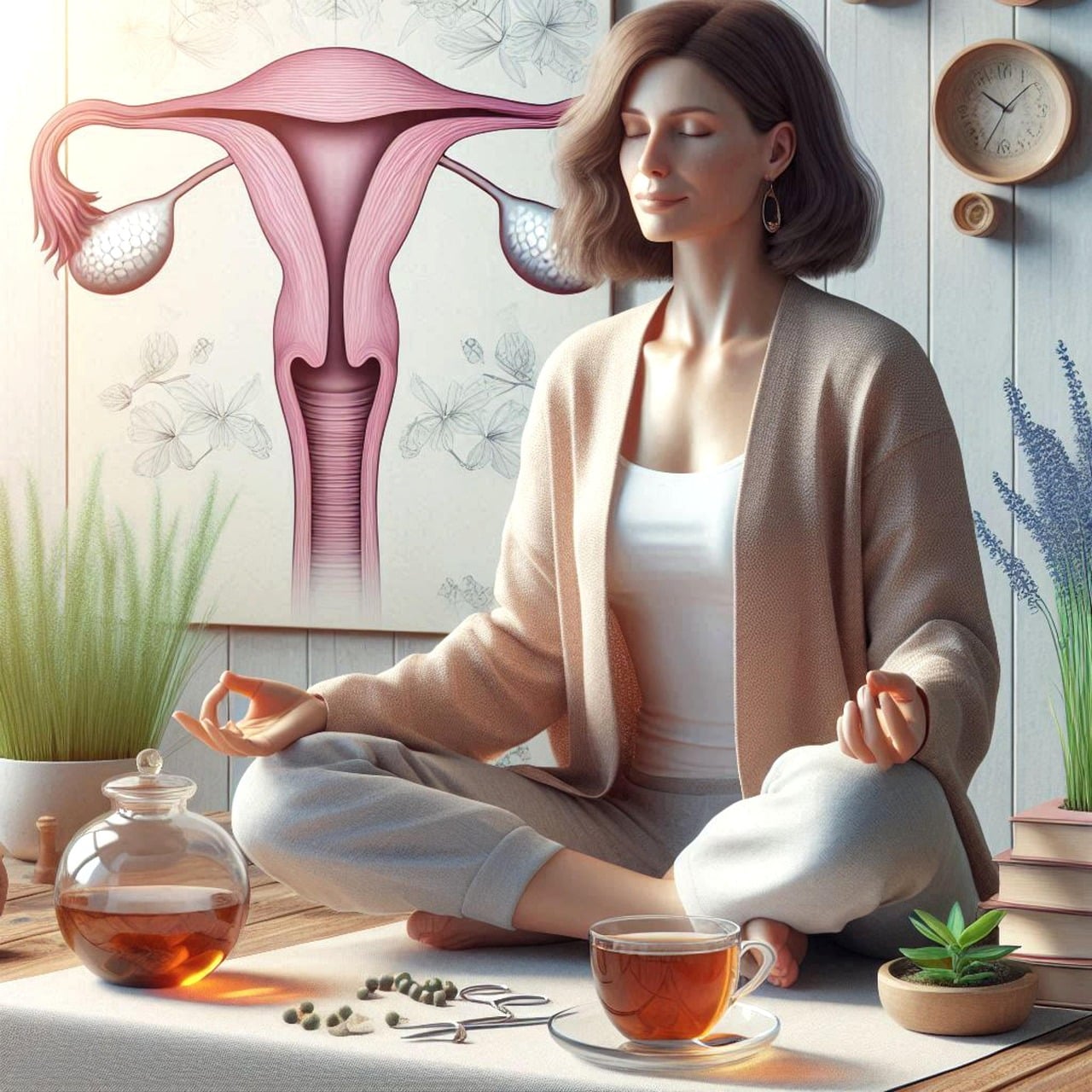
Endometriosis affects roughly 1 in 10 women of reproductive age in Canada, causing severe pelvic pain, heavy bleeding, and fertility challenges. Many women wonder if they can find relief without resorting to surgical interventions, especially when symptoms significantly impact daily life. The answer lies in understanding that while endometriosis cannot be completely eliminated, holistic naturopathic approaches can dramatically reduce symptoms and improve quality of life.
Why Endometriosis Cannot Be 'Cured' But Symptoms Can Be Managed Naturally
Endometriosis occurs when tissue similar to the uterine lining grows outside the uterus, creating chronic inflammation and pain. This endometrial-like tissue responds to hormonal fluctuations during menstrual cycles, thickening and shedding just like normal uterine tissue. However, because it has no way to exit the body, it causes inflammation, scarring, and adhesions that lead to severe pain.
Currently, no cure exists for endometriosis. However, natural approaches focus on addressing the root causes of inflammation, hormone imbalances, and immune dysfunction that fuel the condition.
The key to successful natural management lies in understanding endometriosis as a systemic condition. Rather than simply masking symptoms, naturopathic approaches target the underlying inflammatory processes, hormonal imbalances, and environmental factors that contribute to tissue growth and pain, providing long-term relief, often complementing conventional treatments.
Natural Pain Relief Methods That Actually Work
Effective pain management forms the foundation of any successful endometriosis treatment plan. Natural methods offer powerful alternatives to long-term NSAID use, which can damage gut health and create additional complications for women already dealing with chronic pain.
1. Heat Therapy and Pelvic Massage for Immediate Relief
Heat application remains one of the most accessible and effective immediate pain relief methods. Placing a heating pad, hot water bottle, or taking warm baths helps relax cramping pelvic muscles and increases blood flow to affected areas. The warmth penetrates deep tissue, providing relief from both acute cramping and chronic aching.
Pelvic massage techniques complement heat therapy by addressing muscle tension and improving circulation. Gentle manipulation of the pelvis and lower back can help break down scar tissue formation and reduce pain associated with adhesions. Many women find that combining heat with self-massage or working with a trained massage therapist provides significant symptom relief during flare-ups.
2. Anti-Inflammatory Supplements: Turmeric and Omega-3s
Turmeric contains curcumin, a compound with powerful anti-inflammatory properties that can reduce endometriosis-related pain and inflammation. Clinical studies show that curcumin inhibits the production of inflammatory mediators like prostaglandins, which contribute significantly to menstrual pain. Taking 1-2 grams daily of a high-quality turmeric supplement can provide meaningful pain reduction over time.
Omega-3 fatty acids from fish oil offer another evidence-based approach to inflammation control. EPA and DHA, the active compounds in omega-3s, help regulate inflammatory responses and may prevent the tissue growth that characterizes endometriosis. Research suggests that 2000mg daily of combined EPA and DHA can reduce pelvic pain intensity and improve overall quality of life for women with endometriosis.
3. Herbal Remedies for Hormone Balance
Several herbs show promise for managing endometriosis symptoms through hormone regulation and pain relief. Vitex (chasteberry) helps balance reproductive hormones and may reduce the estrogen dominance that fuels endometrial tissue growth. Licorice root has demonstrated anti-inflammatory and immune-modulating qualities. Further research is needed to confirm the pain-relieving effects of white peony and licorice root combinations in clinical trials for endometriosis.
Crampbark stands out as particularly effective for menstrual pain relief, offering a natural alternative to NSAIDs during acute episodes. These herbs work synergistically to address both immediate pain and underlying hormonal imbalances that perpetuate endometriosis symptoms.
Diet Changes That Reduce Inflammation and Pain
Nutrition plays a crucial role in managing endometriosis symptoms, as certain foods can either fuel or fight the chronic inflammation that drives pain and tissue growth. An anti-inflammatory approach to eating provides the foundation for long-term symptom management.
Foods to Eliminate for Better Symptom Control
Red meat consumption has been linked to increased endometriosis risk and symptom severity. Processed foods, including processed meats, contain compounds that can promote inflammation. Some research suggests that certain dietary components can disrupt hormone balance. Similarly, trans fats found in processed foods, refined sugars, and high-glycemic foods can trigger inflammatory responses that worsen pain.
Dairy products may also contribute to symptoms in some women, as they can influence estrogen levels and create inflammatory responses. Many women find significant improvement when eliminating dairy for 30-60 days to assess its impact on their symptoms. High-fat foods and heavily processed items should also be minimized to reduce overall inflammatory burden.
Anti-Inflammatory Foods That Fight Endometriosis
Leafy greens like spinach and kale provide essential vitamins and minerals that combat oxidative stress. Berries offer powerful antioxidants that help regulate immune responses and reduce inflammation. Fatty fish such as salmon and sardines deliver omega-3 fatty acids that actively counteract inflammatory prostaglandins.
Cruciferous vegetables like broccoli and Brussels sprouts support healthy estrogen metabolism, helping the body eliminate excess hormones that fuel endometrial growth. Nuts, seeds, and olive oil provide healthy fats that support anti-inflammatory pathways. Aiming for at least five servings of fruits and vegetables daily creates a strong nutritional foundation for symptom management.
Why a Gluten-Free Diet May Help Some Women
Research suggests that gluten elimination may benefit some women with endometriosis. A 2012 study found that 75% of participants with endometriosis reported symptom improvement after following a gluten-free diet for 12 months. Some organizations and research suggest gluten elimination as a potential pain-reduction strategy for endometriosis.
Gluten can trigger inflammatory responses in sensitive individuals, and this inflammation may worsen endometriosis symptoms. Women considering gluten elimination should work with a qualified practitioner to ensure nutritional adequacy while avoiding wheat, rye, barley, and processed foods containing these grains.
Physical Therapies and Mind-Body Approaches
Physical interventions offer powerful, drug-free options for managing endometriosis pain while addressing the musculoskeletal complications that often accompany the condition. These approaches target both immediate pain relief and long-term functional improvement.
How Acupuncture Targets Endometriosis Pain
Acupuncture stimulates specific points on the body to promote natural pain-relieving mechanisms and improve blood circulation to affected areas. Clinical studies demonstrate that acupuncture can significantly reduce endometriosis-related pelvic pain by triggering endorphin release and modulating nerve signals that transmit pain sensations.
Regular acupuncture sessions help balance the flow of energy throughout the body while reducing chronic inflammation. Many women find that combining acupuncture with other natural therapies provides more effective pain relief than any single intervention alone. Licensed acupuncturists with experience in women's health issues often achieve the best results for endometriosis management.
Pelvic Floor Exercises and Manual Therapy Benefits
Pelvic floor dysfunction commonly accompanies endometriosis, creating additional pain and functional limitations. Targeted exercises help strengthen and relax these crucial muscles while improving overall pelvic health. Working with a pelvic floor physical therapist ensures proper technique and progression.
Manual therapy techniques including myofascial release help address the scar tissue and adhesions that form with endometriosis. These hands-on approaches can break down restrictive tissue while improving blood flow and reducing muscle tension. Regular manual therapy sessions often lead to significant improvements in both pain levels and functional mobility.
Environmental Toxins: The Hidden Endometriosis Trigger
Environmental chemicals play a significant yet often overlooked role in endometriosis development and progression. While the exact mechanisms are still under investigation, understanding and minimizing exposure to these toxins forms a supportive component of natural management.
Endocrine Disruptors and Immune System Dysfunction
Endocrine-disrupting chemicals (EDCs) mimic natural hormones and interfere with the body's delicate hormonal balance. Dioxins from industrial processes and herbicides have been linked to increased endometriosis risk through their ability to disrupt estrogen metabolism and promote inflammation.
Phthalates found in plastics, fragrances, and personal care products can stimulate endometrial tissue growth by mimicking estrogen. BPA from plastic containers and canned goods represents another common exposure that may worsen symptoms. These chemicals also compromise immune system function, reducing the body's ability to control abnormal tissue growth.
Simple Detox Strategies for Daily Life
Reducing toxin exposure starts with simple swaps in daily products. Replace plastic food containers with glass or stainless steel alternatives, especially for heating food. Choose personal care products free from phthalates, parabens, and synthetic fragrances by checking the Environmental Working Group's Skin Deep database.
Supporting natural detoxification pathways helps the body eliminate accumulated toxins. Sweating through sauna sessions or exercise promotes toxin elimination through the skin. Increasing fiber intake to 30+ grams daily helps bind toxins in the digestive tract for removal. Supplements like glutathione and N-acetylcysteine support the liver's detoxification processes, though these should be used under professional guidance.
Why Gut Health Matters More Than You Think
The connection between gut health and endometriosis extends far beyond digestive symptoms. The intestinal microbiome plays crucial roles in immune function, inflammation control, and hormone metabolism—all key factors in endometriosis development and management.
The Gut-Endometriosis Connection Explained
Women with endometriosis commonly experience gut dysbiosis, an imbalance in beneficial versus harmful bacteria. This imbalance contributes to systemic inflammation and can worsen endometriosis symptoms. The gut houses approximately 70% of the immune system, making intestinal health crucial for controlling the immune dysfunction associated with endometriosis.
Lipopolysaccharide (LPS), a toxic byproduct from harmful bacteria, can increase inflammation throughout the body when gut barrier function is compromised. This "leaky gut" condition allows inflammatory compounds to enter circulation, potentially worsening endometriosis-related inflammation and pain.
Probiotics and Fiber for Hormone Balance
Specific probiotic strains help restore healthy gut bacteria balance while supporting proper estrogen metabolism. The estrobolome—gut bacteria responsible for estrogen processing—directly influences circulating hormone levels. Lactobacillus and Bifidobacterium strains show particular promise for women's hormonal health.
Fiber serves as fuel for beneficial bacteria while binding excess hormones for elimination. Prebiotic fibers from foods like asparagus, leeks, and garlic specifically nourish helpful bacteria. Aiming for 30+ grams of fiber daily from diverse plant sources creates an optimal environment for beneficial bacteria to thrive while supporting healthy hormone balance.
For naturopathic endometriosis care that addresses all these interconnected factors, consider talking to an experienced naturopathic doctor to learn about personalized treatment options that can help you manage symptoms naturally and improve your quality of life.
Healthflow Naturopathic
City: Calgary
Address: 2204 2 Street Southwest
Website: https://healthflow.ca/


Comments
Post a Comment