Best Time to Visit Machu Picchu? Train Operator Explains Dry vs Rainy Season
Key Takeaways
- The dry season (May-September) offers clear skies and ideal hiking conditions, but brings peak crowds and prices that can increase 30-50%
- The rainy season (November-March) provides mystical cloud-wrapped views, lush landscapes, and significantly fewer tourists with lower accommodation costs
- May and September serve as sweet spot months, combining favorable weather with manageable crowd levels
- Train booking strategies differ dramatically between seasons, with high season requiring 1-2 months advance planning
- Morning departures during rainy season often provide clearer skies, as afternoon storms are more common
Choosing when to visit Machu Picchu can make or break your once-in-a-lifetime experience. While most travelers automatically assume the dry season is best, the reality is far more nuanced. Understanding the distinct advantages and challenges of each season helps first-time international visitors make an informed decision that aligns with their travel priorities and budget.
Machu Picchu's Dry Season Delivers Clear Skies and Peak Crowds
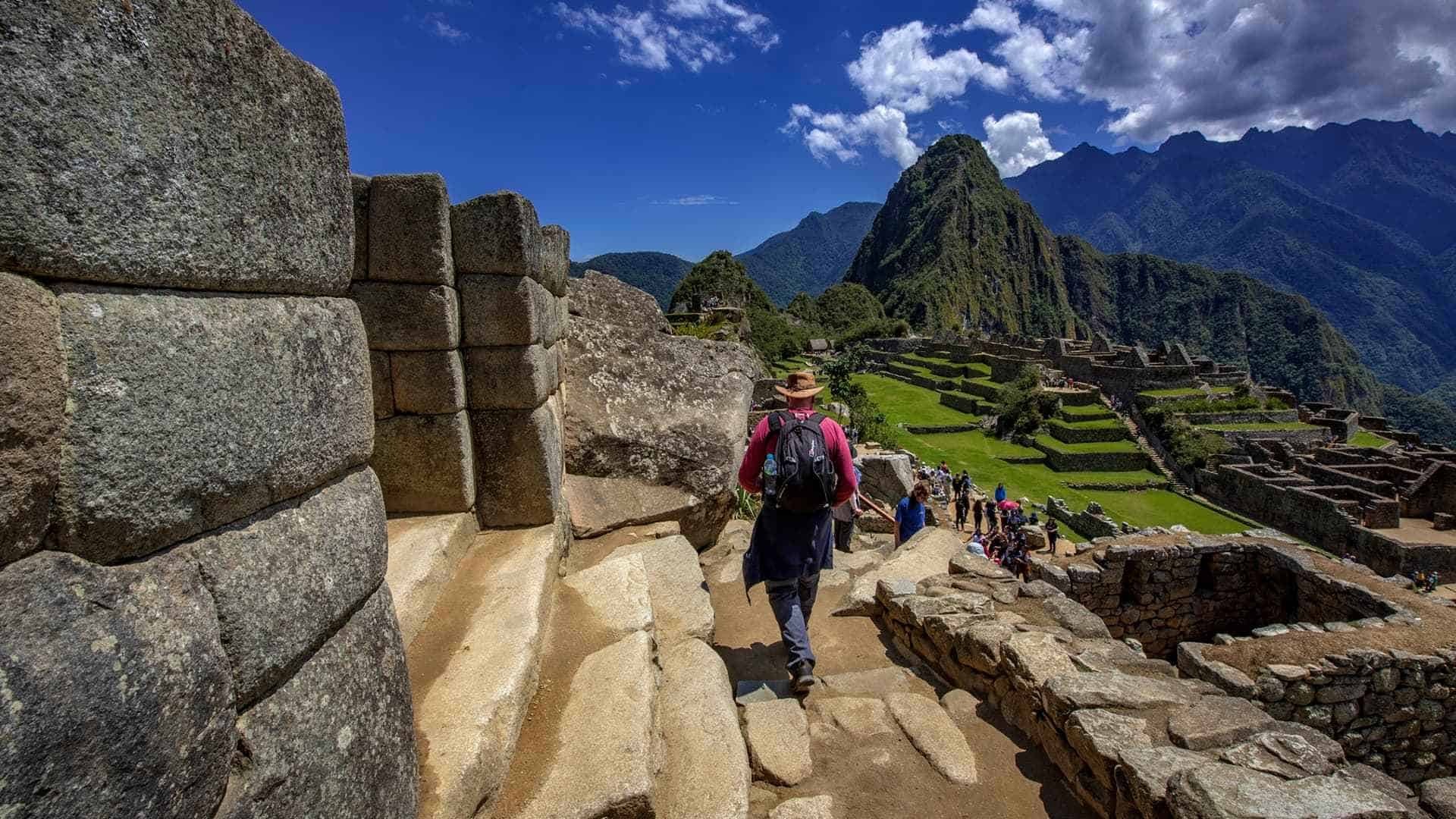
The dry season from May through September represents Machu Picchu's most predictable weather window. Daytime temperatures hover comfortably between 12°C (54°F) and 24°C (75°F), though nighttime temperatures can drop significantly lower, sometimes near freezing during June and July. These conditions create ideal circumstances for touring the ancient citadel's stone terraces and steep pathways. Clear skies dominate most days, offering unobstructed views of the surrounding Andean peaks and perfect lighting for those iconic postcard photos.
However, these favorable conditions come with significant trade-offs. June, July, and August mark the absolute busiest months, with crowds that can make navigation through narrow pathways challenging. The popularity surge drives accommodation and train ticket prices up by 30-50% compared to low season rates. Inca Rail, a major train operator to Machu Picchu, emphasizes the importance of booking 1-2 months in advance during this peak period to secure preferred departure times and train classes, though popular departures and premium services may require 3-6 months advance booking.
The dry season's reliability makes it particularly appealing for travelers with fixed schedules or those prioritizing hiking opportunities. Trail conditions remain consistently good, with minimal risk of weather-related closures or safety concerns. The stable weather patterns also mean guided tours can stick to planned itineraries without last-minute adjustments.
Why the Rainy Season Offers Hidden Advantages
Peru's rainy season, spanning November through March with October and April as shoulder months, reveals a completely different side of Machu Picchu that many travelers overlook. While the name might suggest constant downpours, the reality involves more nuanced weather patterns that create unique opportunities for savvy travelers.
1. Fewer Tourists and Lower Prices
The rainy season's most immediate benefit is dramatically reduced crowd levels. Where dry season visitors might wait in lines and compete for photo opportunities, rainy season travelers often find themselves touring sections of the citadel in relative solitude. This peaceful atmosphere allows for deeper contemplation of the site's spiritual significance and more intimate photography sessions.
Budget-conscious travelers particularly benefit from lower accommodation rates and reduced tour costs. Hotels in both Cusco and Aguas Calientes offer substantial discounts, and train operators frequently provide promotional pricing to attract visitors during traditionally slower months.
2. Mystical Cloud-Wrapped Views
The rainy season's atmospheric conditions create ethereal scenes impossible during clear dry months. Mist and low-hanging clouds regularly envelop the ruins, producing otherworldly photography opportunities and enhancing the site's mystical atmosphere. These dramatic weather patterns often reveal and conceal different sections of the citadel throughout the day, creating an ever-changing landscape.
Many photographers specifically target the rainy season for these unique cloud formations. The interplay between ancient stones and swirling mists captures Machu Picchu's spiritual essence in ways that bright, clear days simply cannot match.
3. Lush Green Landscapes
The increased rainfall transforms the surrounding landscape into a vibrant display of emerald greens. Terraces that appear golden-brown during dry months burst with lush vegetation, while the cloud forest surrounding the citadel reaches peak vitality. This verdant backdrop creates striking contrasts against the grey stone structures and offers a completely different aesthetic experience.
Wildlife activity also increases during the rainy season, with more bird species visible and plant life at its most diverse. The Sacred Valley's agricultural areas showcase traditional farming practices in full swing, providing authentic cultural experiences alongside the archaeological tour.
Rainy Season Safety Considerations
Understanding the rainy season's challenges proves vital for safe and enjoyable travel planning. While the benefits are significant, travelers must prepare for specific conditions and potential limitations.
Trail Conditions and Closures
The famous Inca Trail closes entirely during February for annual maintenance, making train travel the only option for reaching Machu Picchu during this month. Other hiking routes can become treacherous due to slippery stone surfaces and increased landslide risks along mountain paths.
Even within Machu Picchu itself, the ancient stone pathways become notably more slippery when wet. Visitors need appropriate footwear with good traction and should exercise extra caution when moving through steep sections and narrow terraces. The site's elevation changes and uneven surfaces require constant attention during wet conditions.
Weather Timing Patterns
Contrary to common assumptions, rainy season precipitation follows predictable daily patterns. Rain typically arrives in short, intense bursts during afternoon and evening hours, while mornings often feature clear or partly cloudy skies. This pattern allows strategic planning for outdoor activities and site visits.
Successful rainy season visitors plan their most important activities for morning hours, keeping afternoons flexible for indoor activities or covered areas. Early train departures become particularly valuable, allowing arrival at Machu Picchu during optimal morning conditions.
Train Booking Strategy by Season
Train reservation strategies must adapt dramatically based on seasonal demand patterns and weather considerations. Understanding these differences helps optimize both cost and experience quality.
High Season Booking (May-September)
Peak season demands advance planning that extends far beyond simple ticket purchases. Popular departure times and premium train classes sell out 1-2 months ahead, particularly for weekend travel and major holidays. Flexible travelers can sometimes find last-minute availability for less desirable departure times, but this approach risks disappointment.
Premium train services with panoramic windows and enhanced amenities become especially valuable during clear dry season days. The investment in upgraded train experiences pays dividends when spectacular mountain views stretch unobstructed for hours. Early morning departures prove particularly popular, as they maximize daylight hours at Machu Picchu while avoiding afternoon crowd peaks.
Low Season Flexibility (November-March)
Rainy season travelers enjoy significantly more booking flexibility, though advance reservations remain advisable. Last-minute ticket availability increases substantially, allowing spontaneous travel decisions based on weather forecasts or changing itineraries.
This flexibility extends beyond simple availability to pricing advantages. Train operators frequently offer promotional rates and package deals during slower months, making premium experiences more accessible. Travelers can often upgrade train classes at reasonable costs or secure preferred departure times without extensive advance planning.
May and September: The Sweet Spot Months
Experienced travelers increasingly target May and September as optimal Machu Picchu visiting windows. These shoulder season months offer compelling combinations of favorable weather and manageable crowd levels that appeal to first-time visitors seeking balanced experiences, though they can still experience occasional rainfall and some weather variability.
May represents the transition from rainy to dry season, featuring decreasing precipitation levels while retaining some of the rainy season's lush landscapes. September reverses this pattern, offering dry season reliability with gradually thinning tourist crowds as peak season winds down. Both months typically feature comfortable temperatures and relatively stable weather patterns suitable for extended outdoor touring.
These shoulder months also provide booking advantages, with better train availability than peak dry season while avoiding rainy season's weather unpredictability. Accommodation rates fall between peak and low season pricing, offering reasonable value without extreme budget constraints.
Choose Your Season Based on Travel Priorities, Not Just Weather
The best time to visit Machu Picchu ultimately depends on individual travel priorities rather than universal weather preferences. Budget-conscious travelers might prioritize rainy season savings and crowd avoidance over guaranteed sunshine. Photography enthusiasts may specifically seek the dramatic atmospheric conditions that only wet season provides.
Families with school-age children often find dry season's predictability necessary for fixed vacation schedules, while flexible retirees might prefer rainy season's peaceful atmosphere and cultural authenticity. Adventure seekers interested in hiking multiple trails need dry season conditions, whereas travelers focused solely on the main citadel can adapt to any season with proper preparation.
The key lies in honest self-assessment of travel expectations, flexibility levels, and budget constraints. Neither season is inherently superior - they simply offer different experiences that appeal to different traveler types. Understanding these distinctions allows informed decisions that maximize satisfaction rather than following generic timing recommendations.
Ready to experience the magic of Machu Picchu? Visit Inca Rail to view train options and book your perfect journey to this UNESCO World Heritage wonder.
Inca Rail
City: Cusco
Address: 105 Portal de Panes
Website: https://incarail.com/


Comments
Post a Comment