Arturia MiniFreak vs MicroFreak: Hybrid Synthesizer Specs & Uses Compared
Key Takeaways
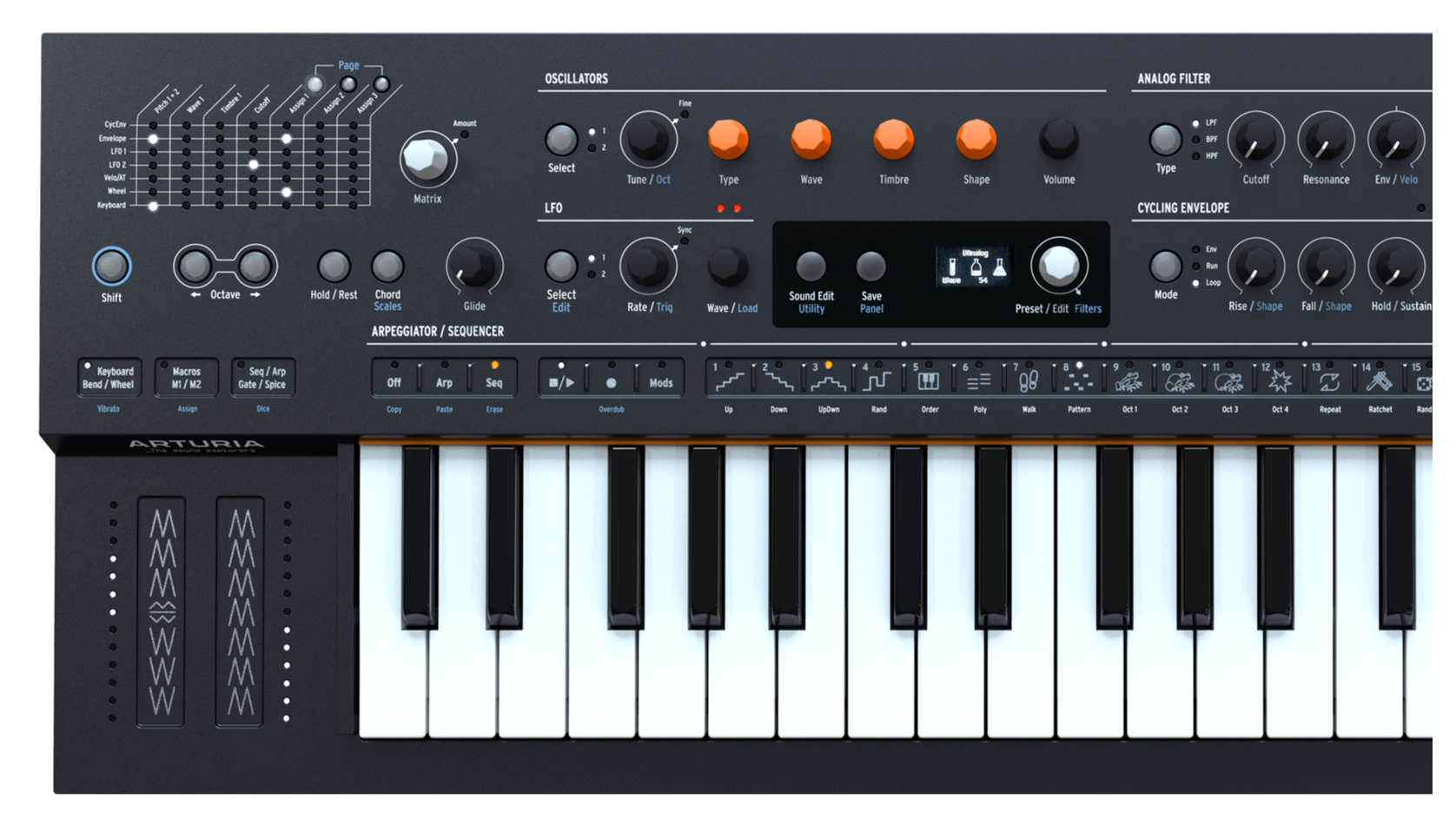
- The MiniFreak offers 6-voice full polyphony with dual digital engines, while the MicroFreak provides paraphonic operation with up to 4 voices using a single digital engine.
- MiniFreak features a traditional 37-key velocity-sensitive keybed, whereas MicroFreak uses an innovative 25-key capacitive touch interface with polyphonic aftertouch.
- Both synthesizers share many oscillator algorithms, but differ significantly in modulation capabilities and effects processing.
- The choice between models depends on whether you prioritize full polyphony for complex arrangements or experimental touch-based performance techniques.
Choosing between hybrid synthesizers can feel overwhelming when both instruments promise cutting-edge sound design capabilities. The decision becomes even more challenging when comparing two models from the same manufacturer that target different aspects of modern synthesis needs.
Two Distinct Approaches to Hybrid Synthesis
Arturia's approach to hybrid synthesis takes two dramatically different paths with the MiniFreak and MicroFreak models. Each instrument represents a unique philosophy toward combining digital oscillators with analog filtering, creating distinct sonic personalities that serve different musical applications.
The fundamental difference lies in their architectural design choices. The MiniFreak emphasizes traditional polyphonic synthesis with expanded sound processing capabilities, while the MicroFreak focuses on experimental interface design and streamlined signal paths. These contrasting approaches affect everything from workflow to final sound character.
Sound Engine Architecture Compared
1. MiniFreak's Dual Digital Engine Design
The MiniFreak's architecture centers around two independent digital sound engines working in tandem. Engine 2 can process Engine 1's output, creating complex layered textures impossible with single-engine designs. This dual-engine approach enables everything from subtle harmonic enrichment to radical sound transformation.
Each engine can draw from a wide range of oscillator modes, allowing for intricate sound combinations. The engines can run different algorithms simultaneously, such as pairing wavetable synthesis with two-operator FM for rich, evolving timbres.
2. MicroFreak's Single Engine + Analog Filter Setup
The MicroFreak takes a more focused approach with its single digital oscillator feeding into an analog filter inspired by the 12 dB Oberheim SEM design. This streamlined signal path emphasizes the interaction between digital generation and analog processing, creating warmth and character through simplicity.
Several oscillator algorithms derive from Mutable Instruments Plaits, bringing Eurorack-quality sound sources to a compact desktop format. This connection to the modular world gives the MicroFreak access to cutting-edge synthesis techniques developed specifically for experimental music creation.
3. Polyphony and Voice Management Differences
Voice allocation represents the most significant operational difference between these instruments. The MiniFreak provides true 6-voice polyphony, meaning each voice includes independent analog filtering and complete modulation routing. This full polyphonic architecture supports complex chord work and layered arrangements without compromise.
The MicroFreak operates paraphonically with up to 4 voices sharing a single analog filter. While this limits traditional chord playing, it creates unique sonic possibilities where multiple notes blend through the same filter response, generating harmonic interactions unavailable in fully polyphonic designs.
Physical Interface and Performance Features
Keybed Technology: 37-Key Velocity vs 25-Key Capacitive Touch
The playing experience differs dramatically between these models due to their contrasting keybed technologies. The MiniFreak features a traditional 37-note slim key design with velocity sensitivity and aftertouch, providing familiar playing dynamics for pianists and keyboard players.
The MicroFreak's 25-key capacitive touch keybed creates an entirely different performance paradigm. This flat, touch-sensitive surface responds to finger pressure and position, enabling techniques impossible on traditional keys. Polyphonic aftertouch allows independent pressure control for each note, opening creative possibilities for expressive sound manipulation.
Modulation Matrix: 7x13 vs 5x7 Capabilities
Modulation routing capabilities scale with each instrument's complexity. The MiniFreak's expansive 7x13 modulation matrix accommodates its dual-engine architecture, providing extensive interconnection possibilities between oscillators, filters, effects, and modulators.
The MicroFreak's 5x7 matrix matches its streamlined design philosophy while still offering substantial modulation depth. The smaller matrix focuses on key connections, making it more approachable for newcomers to synthesis while maintaining professional-level routing capabilities.
Sound Creation Capabilities and Effects
1. 22 Oscillator Modes Available on Both Models
Both synthesizers share access to many distinct oscillator algorithms, ensuring sonic versatility regardless of model choice. These modes span traditional synthesis methods like basic waves and super waves alongside modern techniques, including formant synthesis, Karplus-Strong algorithms, and wavetable manipulation.
The inclusion of Noise Engineering-developed oscillator modes brings modular synthesizer sophistication to both instruments. These algorithms often produce complex, evolving textures that would require multiple modules in Eurorack systems.
2. MiniFreak's Three-Slot Digital Effects Processing
The MiniFreak's three digital effects engines operate in insert or send configurations, offering a range of effect types including reverbs, delays, modulation effects, EQs, distortion, and compression. This extensive effects suite eliminates the need for external processing in many production scenarios.
Effects can be chained for complex processing or used in parallel for rich spatial textures. The flexible routing allows effects to process individual oscillators or the entire signal path, providing architectural options that rival dedicated multi-effects units.
3. Preset Management: Storage Differences
Preset storage reflects each instrument's intended use case. The MicroFreak provides 384 preset slots, offering substantial sound storage for its streamlined architecture. This capacity suits performers who need reliable access to diverse sounds without complex organization.
The MiniFreak includes 268 factory presets and 244 user slots, accommodating its more complex architecture with dedicated storage for the dual-engine system and extensive effects processing.
Production Applications and User Scenarios
Studio Recording and Arrangement Work
Studio applications favor the MiniFreak's full polyphonic capabilities and extensive effects processing. The ability to play complex chords while maintaining independent voice processing makes it ideal for harmonic content, pad work, and melodic layers that require traditional keyboard techniques.
The MicroFreak excels in studios focused on sound design and experimental production. Its unique interface encourages exploration, while the paraphonic voice allocation creates distinctive textures perfect for lead lines, bass sequences, and atmospheric elements.
Live Performance Considerations
Live performance requirements often determine instrument choice. The MiniFreak's velocity-sensitive keybed and full polyphony support traditional performance techniques, making it suitable for keyboardists transitioning from acoustic or other electronic instruments.
The MicroFreak's capacitive keybed creates performance opportunities unavailable with traditional keyboards. Touch-based techniques like pressure modulation and positional control enable expressive performances that audiences can visually connect to sound changes, enhancing live presentation value.
Sound Design and Experimental Music Creation
Sound designers benefit from both instruments' connection to Eurorack-derived algorithms, though each offers different experimental advantages. The MiniFreak's dual engines enable complex processing chains and layered textures ideal for film scoring and ambient production.
The MicroFreak's streamlined signal path and unique interface promote happy accidents and spontaneous discovery vital to experimental music creation. Its paraphonic filtering creates harmonic interactions that inspire new compositional directions.
Choose MiniFreak for Full Polyphony or MicroFreak for Touch-Based Experimentation
The MiniFreak serves musicians who need reliable polyphonic performance alongside advanced sound design capabilities—ideal for traditional songwriting, studio arrangement work, and complex harmonic content creation.
The MicroFreak appeals to experimental musicians, sound designers, and performers seeking unique interface experiences. Its touch-sensitive keybed and paraphonic architecture encourage exploration while the Eurorack-derived algorithms provide professional sound quality in creative applications.
Before you buy, discuss your purchase and why you need a hybrid synth with gear experts who know both instruments.
Sam Ash
City: Hicksville
Address: 278 Duffy Ave
Website: https://www.samash.com/


Comments
Post a Comment