Analog vs Digital Synths: Which Path Best Serves Beginners? Experts Weigh In
Key Takeaways
- Analog synthesizers offer hands-on learning through direct knob control, making sound manipulation more intuitive for beginners.
- Digital and software synths provide more features, polyphony, and sound options at lower cost points than their analog counterparts.
- The best beginner synths balance immediate gratification with learning potential, regardless of whether they're analog or digital.
- Hybrid synthesizers successfully combine the benefits of both analog warmth and digital flexibility in single instruments.
- Starting with free software synths allows for risk-free exploration before investing in hardware.
The synthesizer market presents newcomers with an exciting - yet potentially overwhelming - array of choices. Understanding the fundamental differences between analog and digital synthesis approaches helps beginners make informed decisions that align with their learning style, budget, and musical goals. And it's easier than you might think.
Why Analog Synths Often Accelerate Learning Through Direct Control
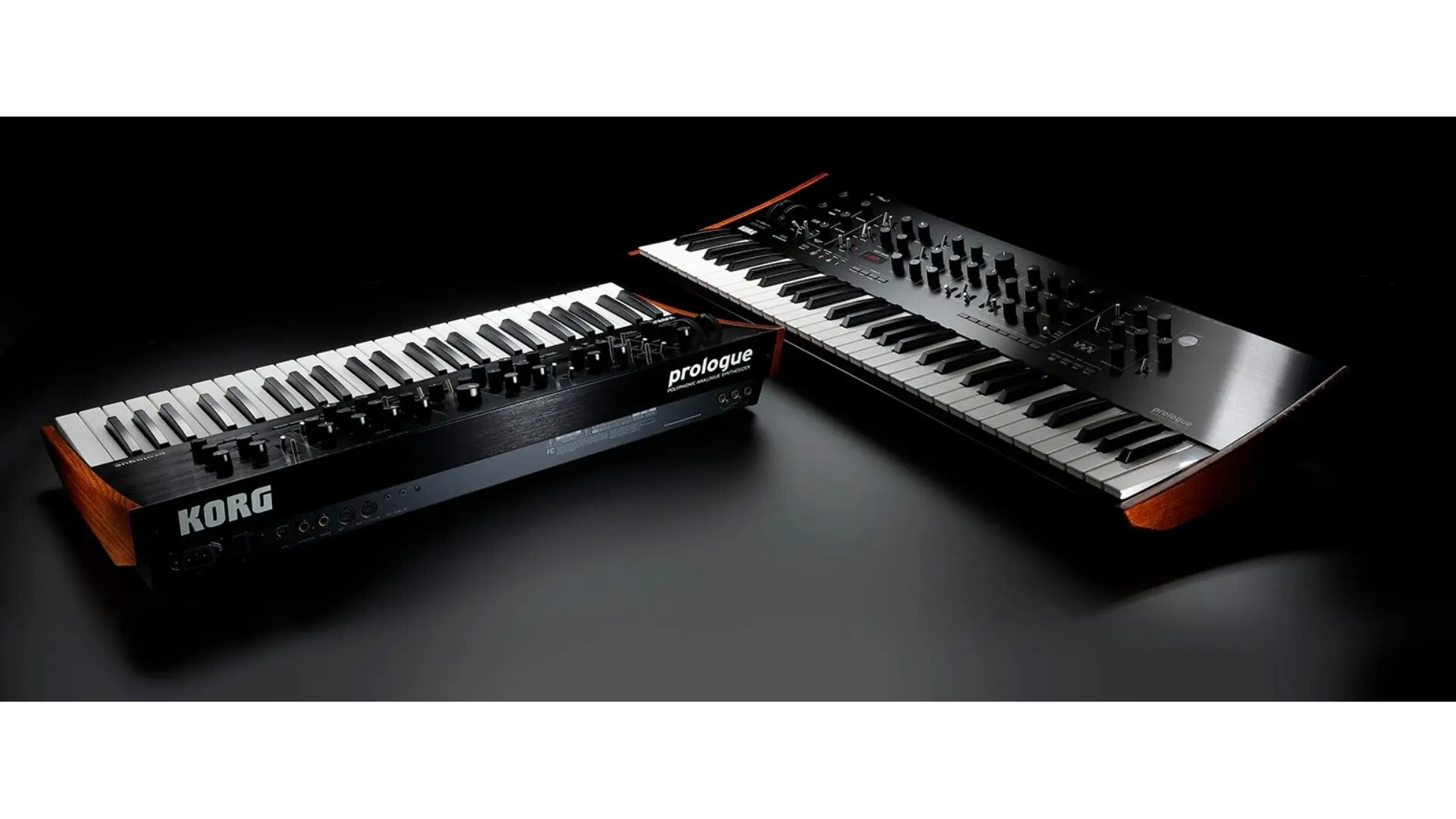
Analog synthesizers excel at teaching synthesis fundamentals because every control directly corresponds to a physical circuit component. When beginners turn the filter cutoff knob on an analog synth, they're literally changing the behavior of analog circuitry in real-time. This immediate cause-and-effect relationship builds intuitive understanding faster than menu-driven digital interfaces.
The hands-on nature of analog controls facilitates 'muscle memory learning,' where players quickly develop an associative memory between specific knob positions and the resulting sounds. This tactile feedback system proves invaluable when learning core synthesis concepts like envelope shaping, filter sweeps, and oscillator tuning. Beginner-suited synth tutorials emphasize how this direct manipulation approach helps new players grasp complex audio concepts more naturally.
Digital and Software Synths: Maximum Features for Minimal Investment
1. More voices and features at lower cost
Digital synthesizers pack significantly more functionality into affordable packages compared to their analog equivalents. Where a basic analog monosynth might cost $300-500, digital alternatives often provide 8-16 voice polyphony, multiple oscillator types, effects processing, and advanced modulation options at similar price points. For example, the Arturia MicroFreak exemplifies this value proposition, combining digital oscillators with analog filters while offering features that would require thousands of dollars in separate analog modules.
2. Free software options for risk-free exploration
Free software synthesizers eliminate financial barriers to synthesis learning, allowing for risk-free exploration before investing in hardware. Popular DAWs include capable synths like Logic Pro's Retro Synth or Ableton Live's Wavetable, while standalone options like VCV Rack provide modular synthesis simulation at zero cost. These platforms allow beginners to learn advanced synthesis techniques (including FM synthesis, wavetable manipulation, and granular processing) without any hardware investment.
3. Easy project recall and parameter saving
Digital platforms are great at patch management and project integration. Unlike hardware synths that require manual note-taking or external sequencers, software synths automatically save all parameter states with project files. This capability can be valuable for beginners who want to experiment extensively without losing promising sounds or having to recreate complex patches from memory.
Learning Curve Reality: When Interface Design Overwhelms Beginners
Menu diving vs. immediate knob control
The complexity advantage of digital synths can often be a double-edged sword when interfaces prioritize feature density over usability. Many digital synthesizers bury parameters several menu levels deep, requiring beginners to memorize button combinations and screen navigation systems before making basic sound modifications. This indirect control method can slow learning progress and reduce the spontaneous experimentation that drives synthesis understanding.
Feature overload in complex digital interfaces
Modern digital synths often present beginners with hundreds of parameters, preset categories, and synthesis methods simultaneously. While this wealth of options enables incredible sound design possibilities, it frequently overwhelms newcomers who haven't yet developed the foundational knowledge to distinguish between basic and advanced features. The resulting analysis paralysis can stall creative progress and discourage continued learning.
Hybrid Synths: The Compromise That Actually Works
Hybrid synthesizers successfully bridge the analog-digital divide by combining the best aspects of both approaches. These instruments typically use digital oscillators for stability and feature richness while employing analog filters for warmth and character. The Arturia MicroFreak is worth mentioning here, too - offering the precision and flexibility of digital sound generation with the musical filtering characteristics that define analog synthesis.
Modern hybrids often include analog signal paths for critical components like filters and VCAs while using digital control systems for patch storage, modulation routing, and effects processing. This configuration provides beginners with immediate tactile control over basic parameters while offering the convenience features that make digital synthesis attractive. The result eliminates many traditional compromises between analog and digital synthesis approaches.
Analog Hardware Builds Strong Foundation Skills - But It's Not The Only Path
While analog synthesizers undeniably excel at teaching synthesis fundamentals through direct parameter control, they represent just one effective learning pathway among several valid options. The immediate feedback and intuitive operation of analog hardware builds strong foundational knowledge, but skilled synthesists regularly emerge from software-first and digital-first learning approaches as well.
The key factor for successful synthesis learning involves consistent hands-on experimentation rather than the specific technology platform. Beginners who actively learn parameter relationships, practice patch creation, and develop listening skills will progress regardless of whether they start with analog hardware, digital instruments, or software synths. The most important consideration involves choosing tools that inspire continued experimentation and creativity rather than create barriers to learning.
For guidance on getting started with synthesis and learning about the full range of beginner-friendly options, look for expert musicians and trained staff to help you find the perfect synthesizer to start your electronic music journey.
Sam Ash
City: Hicksville
Address: 278 Duffy Ave
Website: https://www.samash.com/


Comments
Post a Comment