2026 Workspace Design Trends: Light, Shade & Flexibility
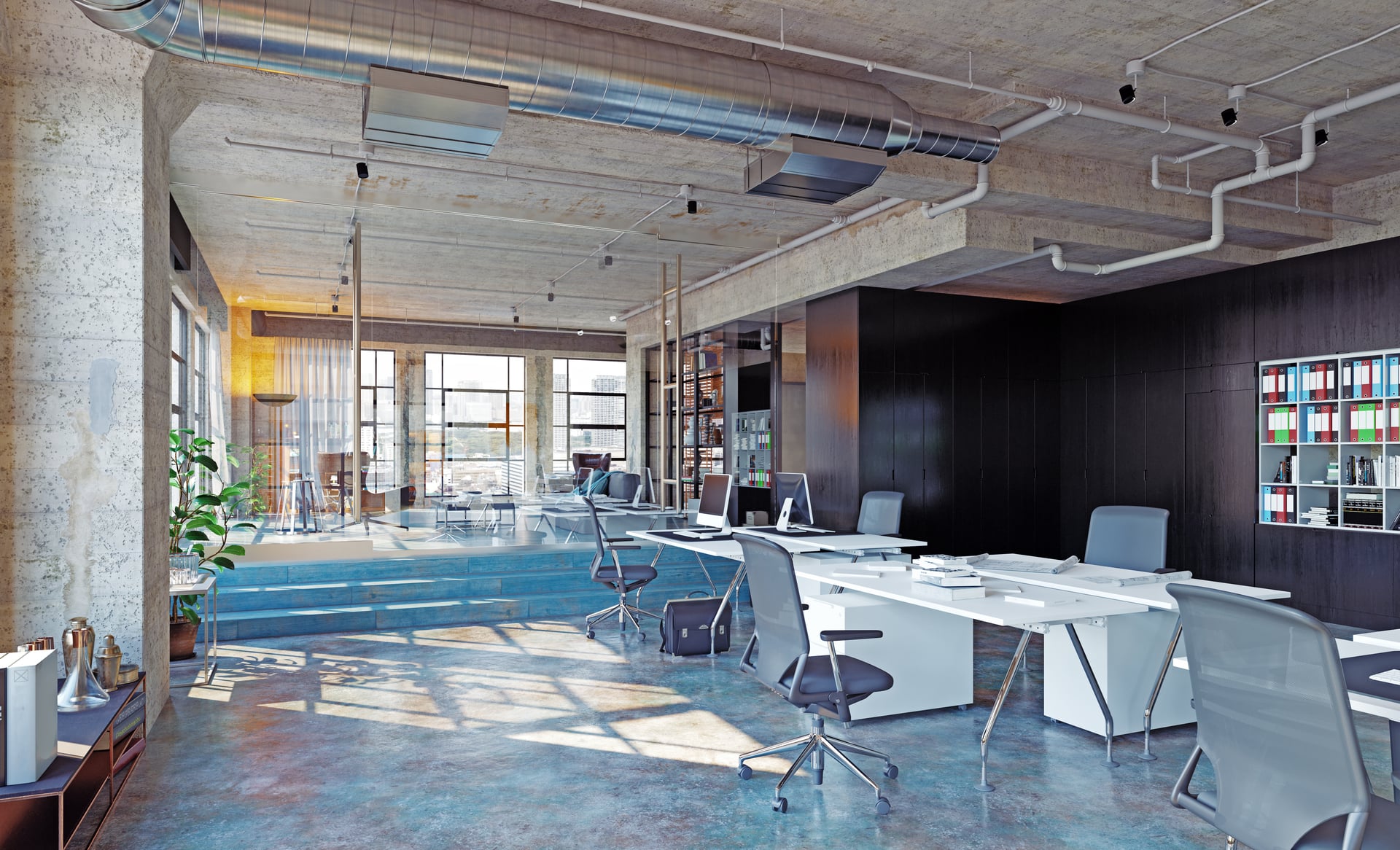
The workplace of 2026 is rapidly evolving beyond static cubicles and rigid layouts toward environments that reflect the complex demands of hybrid work, human wellbeing, and operational flexibility. Organizations are increasingly redesigning spaces not just for function, but for adaptability and experience, creating work environments that accommodate a blend of collaboration, focused work, and informal connection.
The Shift Toward Flexible, Hybrid-Ready Spaces
One of the most significant trends in workplace design for 2026 is flexibility. As hybrid work arrangements continue to grow in prevalence, offices are being reconfigured to support teams that may only be in the physical workspace part of the week while still providing areas that support shared work, client meetings, and deep concentration. Modern workspaces are no longer limited by fixed layouts. Instead, they incorporate multipurpose zones that can be reorganized easily throughout the day — transforming a collaborative workshop area into individual focused pods as needs change. Multifunctional spaces reduce wasted square footage and offer businesses an efficient way to support diverse work styles without costly renovations.
This flexibility extends to the use of modular elements such as acoustic dividers and moveable partitions, which provide semi-private zones without permanent construction. These solutions are particularly valuable in open offices where balancing interaction with the need for privacy and reduced noise is essential. Strategic placement of dividers can support quiet working areas for virtual meetings or focused tasks while preserving open space for spontaneous collaboration.
Bringing Nature and Comfort Indoors
Another prominent trend for 2026 is biophilic design, which integrates natural elements — such as plants, organic materials, and maximized natural light — into the built environment to foster wellbeing and productivity. Research shows that biophilic features can reduce stress and enhance both creativity and satisfaction among employees. Complementing these natural elements are design choices that focus on comfort and ambience, such as thoughtful colour palettes that support calm and focus, and ergonomic considerations that promote long-term health.
Window treatments like blinds and shades play an important role in these spaces by managing natural light, reducing glare on screens, and supporting energy efficiency. Adjustable shading systems help regulate brightness and temperature throughout the day, contributing to both comfort and sustainability.
Acoustic Comfort and Sound Management
With increased reliance on virtual collaboration and hybrid meetings, acoustic design has emerged as a critical consideration. Poor acoustics is a frequently cited complaint in workplace environments, and forward-thinking design now prioritizes sound-absorbing materials, acoustic zoning, and dedicated quiet areas. Incorporating acoustic dividers, soft furnishings, and sound-masking systems creates a more balanced auditory environment, making it easier for individuals to concentrate or participate in virtual calls without distraction.
Cultivating Wellbeing and Connection
Workplace design in 2026 also reflects a growing focus on wellbeing and connection. Employers are integrating social spaces that mirror hospitality-style settings, such as café-like lounges or communal tables where informal interaction can flourish. These areas encourage meaningful colleague engagement beyond structured meetings. At the same time, spaces that support mental rest — such as quiet zones and meditation areas — are becoming part of a comprehensive design strategy that acknowledges psychological as well as physical comfort.
Designing for the Future
The overarching theme in 2026 workspace design is human-centered adaptability. Offices are being transformed into responsive environments that accommodate hybrid work, promote wellbeing, and balance collaborative and individual needs. Toward this end, elements like modular dividers, dynamic shading systems, acoustic zoning, natural light and materials not only support functional goals but reflect a deeper commitment to creating workspaces where people can thrive. Whether reconfiguring teams, facilitating focused work, or enhancing social connection, modern office design increasingly prioritizes flexibility, comfort, and experience in equal measure.
Inside Solutions, LLC.
City: Overland Park
Address: Overland Park
Website: https://www.insidesolutionsllc.com


Comments
Post a Comment