Why Pipe Replacement? Newport Beach Plumber Reveals Coastal Corrosion
Key Takeaways
- Newport Beach's coastal salt air accelerates pipe corrosion, reducing metal pipe lifespans from 50-70 years to just 20-30 years
- PEX piping outperforms copper in salt air environments with significant cost savings and superior corrosion resistance
- Discolored water, reduced pressure, and hidden slab leaks are critical warning signs requiring immediate professional assessment
- Trenchless pipe lining creates a 50+ year barrier inside existing pipes without costly excavation
Living near Newport Beach's stunning coastline comes with hidden challenges beneath the surface. The same ocean breeze that makes mornings delightful is quietly attacking the metal pipes throughout coastal homes, creating expensive headaches that catch homeowners completely off guard.
Salt Air Accelerates Pipe Corrosion in Coastal Areas
Newport Beach's proximity to the Pacific Ocean creates a perfect storm for pipe degradation. Salt particles from ocean spray travel inland through natural air currents, settling throughout neighborhoods and penetrating homes through ventilation systems. This constant exposure means even interior plumbing faces accelerated wear that homeowners in inland areas rarely experience.
The process starts immediately once salt-laden humidity contacts metal surfaces. Coastal communities experience corrosion rates three to five times higher than inland locations, with galvanized steel and copper pipes showing visible deterioration within the first decade of installation. What makes this particularly problematic is that much of the damage occurs inside walls and beneath concrete slabs, making detection difficult until serious problems develop.
Research shows coastal pipe lifespans dropping dramatically - from the typical 50-70 year expectancy down to 20-30 years in salt air environments. Suburban Plumbing's coastal pipe replacement guide explains how this shortened timeline catches many Newport Beach homeowners unprepared for major plumbing overhauls.
How Coastal Corrosion Creates Hidden Pipe Damage
1. Chloride Ion Attack on Metal Pipes
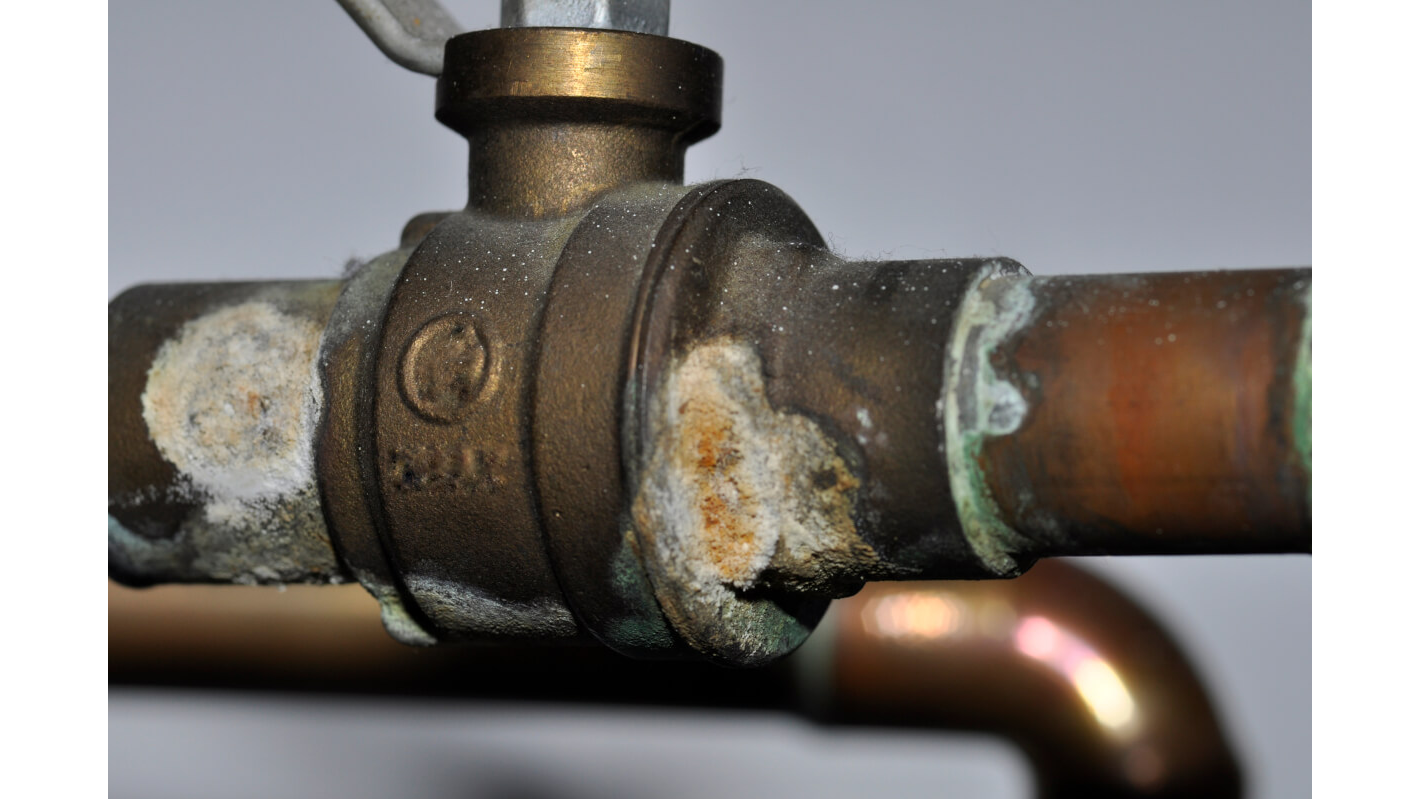
Chloride ions from salt air penetrate the protective oxide layers that naturally form on copper and steel pipes. Once this barrier breaks down, the underlying metal becomes vulnerable to pitting corrosion - small holes that grow larger over time. These pinhole leaks often start so small they go unnoticed, allowing water damage to accumulate gradually behind walls or under foundations.
The electrochemical process accelerates in Newport Beach's climate because chlorides act as catalysts, speeding up the oxidation reaction that creates rust. Unlike surface rust that's visible and manageable, internal pitting creates weak spots that eventually burst under normal water pressure, causing sudden floods and emergency repairs.
2. Humidity Accelerates Rust Formation
Coastal humidity keeps pipes constantly moist, creating ideal conditions for rust formation even when pipes aren't actively carrying water. The combination of salt deposits and persistent moisture creates an electrolyte solution that maintains continuous corrosion activity. This means pipes deteriorate 24/7, not just during peak usage periods.
Garage-mounted water heaters and exposed outdoor plumbing show this effect most dramatically, developing visible rust and scale buildup within months of installation. However, pipes inside walls face similar conditions due to coastal humidity penetrating building materials.
3. Hard Water Makes Corrosion Worse
Newport Beach's hard water compounds coastal corrosion problems by depositing mineral scale inside pipes. These calcium and magnesium deposits create rough surfaces that trap salt particles and hold moisture against pipe walls. The combination creates localized corrosion hot spots that eat through metal faster than either factor alone.
Hard water also reduces pipe diameter over time as scale builds up, creating reduced water pressure that stresses already weakened pipe joints and fittings. This pressure reduction often triggers sudden failures in pipes that have been slowly deteriorating from salt exposure.
Warning Signs Your Pipes Need Replacement Now
1. Discolored or Metallic-Tasting Water
Reddish-brown water indicates iron oxide (rust) particles breaking loose from corroded pipes, while blue-green discoloration signals copper corrosion. These visible signs mean internal pipe damage has progressed beyond surface-level problems. Water that tastes metallic or has an unusual odor contains dissolved metals from corroded pipe walls.
The discoloration often appears first thing in the morning or after periods of non-use, when corroded particles have time to accumulate in standing water. If flushing doesn't quickly clear the discoloration, internal pipe damage has likely reached the replacement stage.
2. Reduced Water Pressure Throughout Home
Gradual pressure loss throughout multiple fixtures indicates internal pipe narrowing from scale buildup and corrosion deposits. Unlike single-fixture clogs that affect only one area, system-wide pressure drops signal widespread internal pipe deterioration that cleaning can't resolve.
Coastal homes often experience this as a slow degradation over months or years, making it easy to dismiss as normal aging. However, significant pressure reduction usually means pipes have lost substantial internal diameter, requiring replacement rather than temporary fixes.
3. Hidden Slab Leaks Under Foundation
Slab leaks develop when pipes embedded in concrete foundations deteriorate and crack. Contributing factors include salt exposure, ground movement, and natural pipe aging. Signs include unexplained high water bills, damp spots on floors, unusually warm floor areas, or the sound of running water when all fixtures are off.
These leaks are particularly costly because accessing pipes requires breaking through concrete, but they're common in Newport Beach due to the combination of coastal soil conditions and accelerated pipe corrosion. Early detection through professional inspection can prevent extensive water damage and foundation problems.
PEX Outperforms Copper in Salt Air Environments
Why PEX Resists Coastal Corrosion
PEX (cross-linked polyethylene) piping offers superior performance in coastal environments because it's completely non-metallic, eliminating oxidation and rust formation entirely. Unlike copper or steel, PEX doesn't react with chloride ions, salt deposits, or humidity, maintaining its structural integrity for decades in conditions that rapidly degrade metal pipes.
The flexibility of PEX also provides advantages during ground movement common in Southern California. Rather than cracking at joints like rigid metal pipes, PEX can flex and move with ground shifts, reducing leak potential from earth movement that often affects coastal properties.
Cost Comparison: Significant Savings Over Copper
Material costs for PEX run substantially lower than copper, creating immediate savings on large repiping projects. Installation labor costs drop significantly because PEX installs faster and requires fewer fittings than copper systems that need soldered joints throughout the home.
For a typical Newport Beach home, PEX repiping costs considerably less than copper replacement. The long-term savings continue through reduced maintenance needs and longer service life in coastal conditions, making PEX the economically smart choice for salt air environments.
Trenchless Lining: 50+ Year Fix Without Excavation
CIPP Creates New Pipe Inside Old One
Cured-in-Place Pipe (CIPP) technology inserts a resin-saturated liner into existing pipes and cures it to form a seamless new pipe within the old structure. This process requires only access points at pipe ends, eliminating the need to dig up yards, driveways, or break through concrete slabs to reach buried pipes.
The installation process completes quickly for most residential applications, with minimal disruption to landscaping and daily routines. Once cured, the new liner provides structural strength equivalent to new pipe installation while maintaining nearly full flow capacity through the existing pipe route.
Epoxy Barriers Block Future Salt Damage
The epoxy resin used in trenchless lining creates a chemical barrier that completely blocks salt penetration and chloride ion contact with the original pipe material. This protection works from the inside out, preventing further corrosion while sealing existing cracks and pinhole leaks that have already developed.
Properly installed epoxy lining provides 50-60 years of service life in coastal applications, potentially extending total pipe system life to 100 years. The seamless interior surface also resists root intrusion and scale buildup that commonly affect older pipe systems in Newport Beach's challenging environment.
Newport Beach Homeowners Choose Suburban Plumbing for Lasting Pipe Solutions
Local Newport Beach residents face unique plumbing challenges that require specialized knowledge and proven solutions. The combination of coastal corrosion, seismic activity, and aging housing stock demands contractors who understand both the technical aspects of pipe degradation and the most cost-effective repair approaches for each situation.
Professional assessment becomes vital because surface symptoms often mask more extensive hidden damage. What appears to be a simple leak repair may actually indicate system-wide corrosion requiring total replacement. Video pipe inspection technology reveals internal conditions without destructive investigation, helping homeowners make informed decisions about repair versus replacement options.
The investment in proper pipe replacement or trenchless lining pays dividends through improved water quality, restored pressure, elimination of ongoing leak risks, and increased property value. Coastal homes with updated plumbing systems avoid the cycle of emergency repairs and water damage that plague properties with deteriorating metal pipes.
For thorough pipe assessment and coastal-specific plumbing solutions in Newport Beach, homeowners trust Suburban Plumbing for expert diagnosis and lasting repairs.
Suburban Plumbing
City: Midway City
Address: 14933 Adams Street
Website: https://suburbanplumbingoc.com/


Comments
Post a Comment