Why Kindness Media Calms Pediatric Waiting Rooms - An Elevated Response
Key Takeaways
- Kindness media creates an "elevation response" that physically calms children through measurable biological changes, with research showing positive emotions are linked to reduced blood pressure and decreased inflammatory markers.
- Traditional waiting room programming like news and neutral content actually increases patient stress, while kindness media produces feelings of warmth, relaxation, and connection to others.
- Clinical studies in pediatric dental settings show parents and staff viewing kindness media reported feeling significantly more inspired, happier, calmer, and grateful compared to commercial children's television.
- Healthcare administrators can immediately transform their environments by replacing current programming with multicultural kindness content that works subconsciously to reduce stress and improve patient experiences.
- The biological benefits extend beyond psychological comfort—stress reduction in clinical settings leads to better patient outcomes, improved provider satisfaction, and enhanced overall care quality.
Waiting rooms represent the first impression families have of healthcare facilities, yet most administrators unknowingly contribute to patient anxiety through poor media choices. Understanding how kindness media works at a neurological level reveals why this simple change can transform entire healthcare environments.
Stress Compromises Patient Care Before Treatment Even Begins
The healthcare environment creates a perfect storm of stress for both patients and families. Children entering medical facilities shoulder personal anxieties while facing the unknown of their upcoming visit. Research shows that pediatric dental patients frequently experience moderate to severe anxiety, which manifests in increased gagging, greater anesthetic requirements, and longer procedure times. This stress response isn't limited to procedures—it begins the moment families walk through the door.
Even before sitting in the waiting room, patients carry burdens from financial hardship, health concerns, and social pressures. When children arrive at healthcare facilities, they bring this existing stress load while adding new worries about potential pain, unfamiliar procedures, and separation from parents. The physiological response is immediate and measurable, with studies documenting "white coat hypertension" in 15-30% of patients—a clear indicator that many more experience stress-related blood pressure increases that don't cross diagnostic thresholds.
Healthcare providers face parallel challenges, managing their own stress while providing empathy and care in time-constrained encounters. With higher rates of burnout and depression compared to the general population, providers often interrupt patients within 11 seconds of beginning to discuss their concerns. This creates a cycle where stressed patients encounter stressed providers, leading to emotional contagion that spreads negative feelings throughout the facility. Little People's Cove specializes in creating calming pediatric environments that address these challenges from the moment families arrive.
Traditional Waiting Room Media Actually Increases Patient Anxiety
News Programming Triggers Stress and Fear
Many healthcare facilities display news programming with good intentions, hoping to distract patients during wait times. However, research demonstrates that negative news rapidly induces stress, anxiety, and fear in viewers. A study examining daily news exposure found that negative content creates mood congruence, where emotions from news stories amplify anxiety about personal issues or upcoming medical visits. Even distant events like wars can trigger stress responses that negatively impact how patients perceive their entire healthcare experience.
The biological response to negative media is immediate and measurable. Participants exposed to negative imagery show increased markers of inflammation and elevated blood pressure and heart rate. These effects aren't temporary—the stress response can persist well beyond the initial exposure, influencing how patients interact with healthcare providers and process medical information.
Neutral Content Creates Boredom-Related Stress
Seemingly harmless programming like home and garden shows may appear safe for waiting rooms, but neutral media can be surprisingly problematic. Boredom itself functions as a mild to moderate stressor, particularly in people prone to boredom-related anxiety. Research links chronic boredom to increased disease incidence and mortality, demonstrating that what appears innocuous can contribute to negative health outcomes.
Educational materials about practice services, while informative, may trigger fear responses in anxious patients. Children and parents already concerned about upcoming procedures may interpret educational content as confirmation of their worries, amplifying rather than reducing anxiety. The key issue with neutral programming is missed opportunity—waiting time could actively reduce stress and improve outcomes rather than simply passing time without purpose.
How Kindness Media Creates the 'Elevation Response'
Physical Sensations of Warmth and Relaxation
Kindness media triggers what researchers call "elevation"—a distinct positive emotional response characterized by feelings of warmth, relaxation, and being uplifted. This isn't merely subjective comfort; elevation produces measurable physiological changes including decreased heart rate and blood pressure. Studies using nature and kindness-based content show viewers experience improved balance between sympathetic and parasympathetic nervous system activity.
The physical sensations accompanying elevation include warmth and a sense of relaxation that extends beyond the viewing period. Unlike passive distraction, elevation actively counters stress responses by engaging the parasympathetic nervous system, which promotes healing and recovery. These changes occur within minutes of exposure, making kindness media particularly valuable in healthcare settings where time is limited.
Subconscious Impact Through Visual Priming
One of kindness media's most powerful features is its subconscious operation. Visual primes work rapidly, influencing emotions and behaviors without conscious awareness. Research shows that positive visual content affects viewers rapidly, faster than many cognitive processes. This rapid emotional priming is especially valuable in healthcare environments where patients may be too anxious to consciously engage with traditional distraction techniques.
The subconscious nature of visual priming means kindness media works even for patients focused on their phones or engaged in conversation. Peripheral vision captures positive imagery, triggering beneficial responses without requiring active attention. This indicates that positive priming enhances cognitive function even when viewers aren't consciously watching.
Increased Generosity and Connection to Others
Kindness media produces remarkable social effects, increasing viewers' sense of connection to others, including people from different racial and cultural backgrounds. Research documents increased charitable behavior following exposure to kindness content. In one study, participants viewing kindness media donated more money and reported feeling more generous compared to control groups watching neutral programming.
These prosocial effects extend beyond individual viewers to influence entire environments. When patients and families experience elevation, they're more likely to be patient with staff, cooperative with procedures, and understanding of delays. Healthcare providers exposed to positive patient emotions often mirror these feelings, creating upward emotional spirals that improve the experience for everyone in the facility. The connection fostered by kindness media helps counter the isolation and fear often experienced in medical settings.
Clinical Evidence from Pediatric Healthcare Settings
Self-Reported Emotional Improvements in Dental Study
A groundbreaking field study conducted in a pediatric dental clinic provided direct evidence of kindness media's effectiveness in healthcare environments. Fifty parents and staff members were randomly assigned to view either commercial children's television or kindness media while in the waiting area. The kindness media consisted of multicultural images of kindness and compassion, complemented by uplifting quotes, concepts, and appropriate humor streamed into the space.
Results showed significant improvements across multiple measures for those viewing kindness media. Participants reported feeling more inspired, happier, calmer, and more grateful compared to the control group watching standard children's programming. Most notably, viewers of kindness media also demonstrated increased generosity in post-viewing behavioral measures, indicating that the positive effects translated into concrete prosocial actions. These improvements occurred after relatively brief exposure periods, suggesting that even short waiting room visits can benefit from kindness media.
Broader Research Links Kindness to Biological Benefits
Clinical evidence extends far beyond self-reported improvements to measurable biological changes. Research consistently shows that positive emotions, particularly those associated with kindness and compassion, correlate with reduced inflammatory markers and improved immune function. Studies document lower levels of inflammatory cytokines in individuals who regularly experience positive emotions, with research showing these effects can persist after positive media exposure.
The stress-reduction benefits of kindness media have particular relevance for pediatric healthcare, where anxiety can complicate procedures and recovery. These improvements help young patients better understand instructions, cooperate with procedures, and process information from healthcare providers. The biological evidence supports what many administrators observe: calmer patients lead to smoother procedures and better outcomes.
Implementation Strategies for Healthcare Administrators
Replace Current Programming Immediately
The first step requires auditing current waiting room media and eliminating content that increases stress. News programming should be discontinued immediately, as research consistently shows negative news triggers anxiety and fear responses. Commercial programming with advertisements may also contribute to stress, particularly when ads address health concerns or create urgency around medical issues. Content like game shows or talk shows often contain conflict, competition, or negative emotional content that can prime stress responses.
Transitioning to kindness media requires minimal technical infrastructure changes. Most existing television systems can stream kindness content through standard streaming services or dedicated healthcare media providers. The key is ensuring content remains consistently positive, culturally inclusive, and appropriate for all age groups. Some facilities find success with silent programming that relies on visual storytelling, eliminating potential audio distractions while maintaining the positive visual priming effects that drive elevation responses.
Choose Multicultural Kindness Content
Effective kindness media must reflect the diversity of the patient population to maximize connection and reduce potential cultural barriers. Healthcare facilities serving diverse communities should prioritize content featuring people of various backgrounds, ages, and cultures engaged in acts of kindness, compassion, and joy.
Content selection should emphasize universal human experiences rather than culture-specific activities that might exclude certain groups. Effective themes include intergenerational kindness, acts of service, natural beauty, and celebrations of human connection. Some healthcare systems develop rotating content libraries that change seasonally or monthly, maintaining novelty while ensuring consistent positive messaging. The goal is creating an environment where every family feels welcomed and represented in the positive imagery surrounding them.
Monitor Patient and Staff Response
Implementing kindness media provides opportunities for continuous improvement through systematic monitoring of patient and staff responses. Simple feedback mechanisms like brief surveys or comment systems can capture changes in patient satisfaction, perceived wait times, and overall facility impressions. Staff members often provide valuable insights about changes in patient behavior, cooperation levels, and general atmosphere improvements following media transitions.
Quantitative measures might include tracking patient complaint levels, staff turnover rates, and procedure completion times. Some facilities report measurable improvements in these areas within weeks of implementing kindness media programs. Long-term monitoring helps administrators fine-tune content selection and identify specific programming that resonates most effectively with their patient populations. The data-driven approach ensures that media choices continue supporting the facility's patient care goals while maximizing return on investment.
Kindness Media Transforms Healthcare Environments Into Healing Spaces
The transformation from traditional waiting areas to healing-focused environments represents a fundamental shift in how healthcare facilities approach patient care. Kindness media offers a evidence-based, cost-effective intervention that addresses multiple challenges simultaneously: reducing patient anxiety, supporting staff wellbeing, and improving overall satisfaction scores. The neurological and physiological benefits extend well beyond entertainment, creating measurable improvements in stress responses that support better health outcomes.
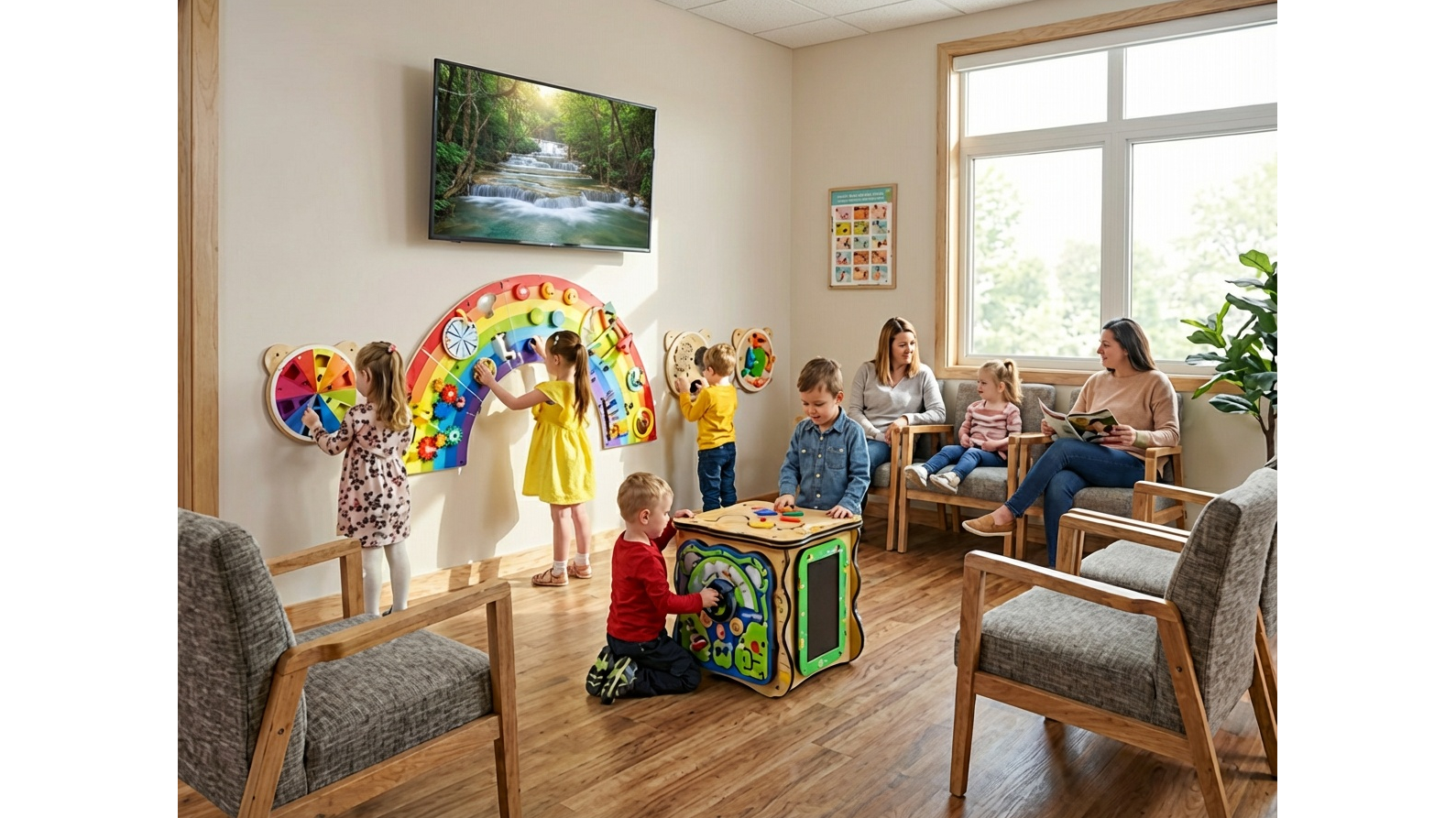
Healthcare administrators seeking solutions recognize that environmental factors significantly influence patient experiences and clinical outcomes. Kindness media serves as a foundation for broader healing environment initiatives, working synergistically with other positive design elements like natural lighting, comfortable seating, and calming colors. The cumulative effect transforms clinical spaces from anxiety-provoking environments into welcoming spaces that support healing from the moment families arrive.
The evidence overwhelmingly supports transitioning away from traditional programming toward content that actively promotes wellbeing through elevation responses. As healthcare continues evolving toward patient-centered care models, environmental interventions like kindness media represent practical, immediate steps administrators can take to improve outcomes while reducing costs associated with patient anxiety and staff burnout. The simplicity of implementation, combined with robust clinical evidence, makes kindness media an essential component of modern pediatric healthcare environments.
Little People's Cove helps healthcare facilities create calming environments that transform patient experiences through thoughtfully designed pediatric spaces and evidence-based environmental solutions.
Little People's Cove
City: Bonney Lake
Address: 11312 218th Ave E
Website: https://www.littlepeoplescove.com


Comments
Post a Comment