Why Do Kitchen Sinks Keep Clogging? Alabama Plumbers Diagnose Causes & Solutions
Key Takeaways
- Recurring kitchen sink clogs often stem from hidden culprits like grease solidification, food particle accumulation, and mineral deposits that build up over time in your pipes
- Warning signs include slow drainage, gurgling sounds, and persistent odors—catching these early can prevent major blockages
- While DIY methods work for minor clogs, persistent problems usually indicate deeper plumbing issues that require professional diagnosis
- Professional plumbers use specialized tools like video pipe inspection and hydro-jetting to identify root causes that homeowners can't see
Nothing frustrates homeowners more than dealing with the same kitchen sink clog week after week. You've tried plunging, pouring hot water, and even store-bought drain cleaners, yet the problem keeps returning like an unwelcome guest. The hard truth? Recurring clogs rarely happen by accident; they're usually symptoms of deeper plumbing issues that require professional attention to resolve permanently.
Common Causes That Create Stubborn Blockages
1. Grease and Oil Solidification in Pipes
Liquid cooking oils and grease are perhaps the most deceptive causes of kitchen sink clogs. While these substances flow smoothly down the drain when hot, they undergo a dramatic transformation as they cool within your pipes. The solidification process creates a waxy coating that narrows pipe diameter and provides an ideal surface for other debris to stick. That's bad news.
Even small amounts of grease accumulate significantly over time. A teaspoon of bacon grease here, a splash of olive oil there... these seemingly harmless quantities combine with soap and food particles to form dense, stubborn blockages. The problem only compounds when homeowners pour hot water down the drain thinking they're helping - as hot water alone can push grease deeper into the system where it cools and hardens in less accessible locations. And while hot water combined with dish soap can be a temporary solution for minor, fresh grease accumulations, it's not a permanent fix. In fact, it can even contribute to larger issues in the main sewer system over time.
2. Food Particles That Swell and Trap Debris
Certain food particles behave like tiny sponges once they enter your plumbing system. Starchy foods such as pasta, rice, and bread absorb water and expand, creating effective dam-like structures within pipes. Even with a garbage disposal, these materials can slip through and cause problems downstream.
Fibrous foods present another challenge entirely. Celery strings, onion skins, and potato peels don't break down easily and tend to wrap around other debris, creating web-like networks that catch additional particles. Coffee grounds, despite their small size, bind together when wet and form dense, clay-like masses that resist water pressure. Professional plumbers frequently encounter these organic blockages during drain cleaning services - which means they won't be surprised.
3. Soap Scum and Mineral Deposit Buildup
Hard water, prevalent throughout Alabama, carries dissolved minerals that react with soap to create stubborn residue. This soap scum doesn't just coat the surface of your sink; it accumulates inside pipes, gradually reducing water flow capacity. The mineral content in Alabama's water supply varies by region, but calcium and magnesium deposits commonly build up over time.
These mineral deposits create rough surfaces inside smooth pipes, providing anchor points for grease and food particles. The combination leads to a self-perpetuating cycle: mineral buildup catches debris, which catches more debris, eventually forming significant blockages. Unlike organic clogs that can sometimes be dissolved, mineral deposits often require mechanical removal or professional hydro-jetting equipment.
4. Foreign Objects and Accidental Drops
Kitchen accidents happen to everyone. Wedding rings slip off soapy fingers, small utensils fall into the disposal, and children's toys find their way into sinks. These foreign objects create immediate blockages or serve as collection points for other debris. Unlike organic materials, solid objects won't dissolve or break down, making professional removal necessary.
Sometimes the foreign object isn't obvious. Bottle caps, twist ties, and even large food labels can slip past the disposal and lodge in pipe joints or bends. These items often go unnoticed until they've accumulated enough additional debris to cause noticeable drainage problems.
Warning Signs Your Sink Is Heading for Trouble
Slow Drainage and Water Pooling
The earliest indication of developing clogs appears as gradually slower drainage. Water that once disappeared instantly now pools briefly before draining. This subtle change often gets overlooked until the problem becomes severe. Paying attention to drainage speed helps catch blockages while they're still manageable with simple interventions.
Water pooling patterns also provide diagnostic clues. If one side of a double sink drains slower than the other, the blockage likely exists in that specific drain line rather than the main pipe. However, if both sides drain slowly simultaneously, the obstruction probably sits further downstream in the shared drainage system.
Gurgling Sounds and Strange Noises
Unusual sounds from your kitchen sink indicate air trapped within the plumbing system, typically caused by partial blockages that disrupt normal water flow. Gurgling, bubbling, or sucking noises suggest that water must work around obstructions, creating vacuum effects and air pockets.
These sounds often precede complete blockages by several days or weeks. The acoustic warning provides valuable time to address the problem before it requires emergency intervention. Different sound patterns can even indicate blockage locations—noises immediately after water enters the drain suggest problems near the sink, while delayed sounds indicate deeper system issues.
DIY Solutions for Minor Clogs
Baking Soda and Vinegar Treatment
The classic baking soda and vinegar combination creates a chemical reaction that helps break apart organic debris and soap scum. While not as dramatic as commercial drain cleaners, this natural approach safely loosens accumulated grime without damaging pipes or introducing harsh chemicals into the water system.
Proper application maximizes results: pour one cup of baking soda down the drain, follow with one cup of white vinegar, immediately cover the drain opening with a plug or cloth, and wait 30 minutes before flushing with hot water. The covering step is vital - it forces the fizzing reaction deeper into the pipes rather than allowing it to escape through the sink opening.
Plunger and Drain Snake Techniques
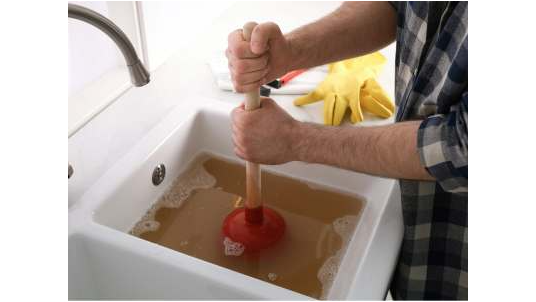
Manual tools provide physical solutions for stubborn blockages that resist chemical treatments. A standard cup plunger creates alternating pressure that can dislodge solid obstructions, while hand-crank drain snakes physically break apart or retrieve debris. These mechanical approaches work especially well on food particle clogs and foreign objects.
Proper plunging technique requires creating a complete seal around the drain opening and covering any overflow holes with wet cloths. The alternating push-pull motion should be vigorous but controlled - excessive force can damage pipes or push blockages deeper into the system. Drain snakes require patience and gentle pressure to avoid pipe damage while working through obstructions.
Professional Diagnosis Tools and Techniques
Video Pipe Inspection Technology
Modern plumbing diagnostics rely heavily on miniature waterproof cameras that provide real-time views inside pipes. These sophisticated tools eliminate guesswork by showing exact blockage locations, pipe conditions, and structural problems that cause recurring clogs. Video inspection reveals issues invisible from surface observations, including partial blockages, pipe damage, and root intrusion.
The inspection process involves inserting a flexible cable with an attached camera into the drain system and recording the journey through pipes. Professional plumbers can identify not just current problems but potential future issues, allowing homeowners to address problems before they become emergencies. This technology particularly benefits older homes where pipe conditions are unknown.
Hydro-Jetting for Deep Blockages
Hydro-jetting uses high-pressure water streams to scour pipe interiors clean, removing accumulated grease, mineral deposits, and organic debris that resist conventional drain cleaning methods. This technique restores pipes to near-original capacity and provides longer-lasting results than chemical or mechanical cleaning alone.
The process requires specialized equipment and professional expertise to avoid pipe damage from excessive pressure. Different pipe materials and conditions require adjusted pressure settings and techniques. Hydro-jetting works exceptionally well on grease accumulations and mineral deposits that cause recurring kitchen sink problems, often eliminating years of buildup in a single service call.
Get Professional Help When It's Needed Most
When recurring kitchen sink clogs resist DIY solutions, professional diagnosis will be necessary for permanent resolution. Expert plumbers are well-suited to identify and eliminate the root causes of persistent drainage problems. The ideal approach addresses not just immediate blockages but also underlying system issues that cause problems to return.
Professional plumbers possess specialized tools and expertise that homeowners just can't match. Video pipe inspection reveals hidden problems, hydro-jetting removes years of accumulated buildup, and proper diagnosis prevents wasted time and money on ineffective treatments. The investment in professional service often costs less than repeated emergency calls and temporary fixes.
Alabama's unique water conditions and regional plumbing challenges require local expertise for optimal results. Understanding hard water effects, common pipe materials used in different decades, and typical soil conditions that affect sewer lines helps professionals provide targeted solutions rather than generic approaches. This local knowledge translates directly into more effective, longer-lasting repairs.
Engle Services
City: Sylacauga
Address: 40300 U.S. 280
Website: https://engleservicesheatingandair.com/


Comments
Post a Comment