Which Treadmills Can Support 400 lbs? Look For High Limits & Stronger Motors
Key Takeaways
- Heavy runners over 300 pounds require treadmills with 3.5+ CHP motors to prevent overheating and ensure smooth operation.
- The hidden costs of underpowered motors include premature failure, belt slippage, and expensive repairs that may not be covered by warranties if the equipment is used beyond its specified capacity.
- Commercial-grade features like reinforced steel frames and 22" x 60" running surfaces are vital for stability and safety.
- Understanding the difference between CHP and peak horsepower could save significant money in replacement and repair costs over the lifespan of the treadmill.
- SOLE's TT8 model delivers 4.0 CHP power with a 400-pound capacity, setting the standard for heavy-duty home fitness equipment.
When stepping onto a treadmill as a heavy runner, the motor beneath your feet can make all the difference between a smooth workout and a mechanical disaster. The stakes are higher than most people realize - insufficient motor power doesn't just lead to poor performance, it also means safety risks, frequent breakdowns, and costly repairs that can far exceed the original purchase price. And that's a heavy, heavy price to pay.
Why 3.5+ CHP Motors Are Non-Negotiable for 300+ Pound Users
The physics are straightforward: every pound of body weight translates directly into stress on the treadmill motor. For users weighing 300+ pounds, anything less than 3.5 continuous horsepower (CHP) significantly increases the risk of mechanical problems. The motor works overtime just to maintain basic speeds, generating excessive heat and wearing down internal components at an accelerated rate.
Expert recommendations for treadmill motor power vary, but generally advise higher CHP for heavier users and sustained running, as lower power often falls short for consistent, demanding use. SOLE Fitness has documented extensive testing showing how their high-capacity models maintain consistent performance even under maximum load conditions.
The difference will become most apparent during incline training or sprint intervals. A 2.5 CHP motor might handle walking for a 300-pound user, but introduce a 5% incline or 6+ mph speeds, and the motor begins laboring immediately. The result? Inconsistent belt speed, premature wear, and the frustrating sensation of fighting the machine instead of focusing on the workout.
Anatomy of High-Capacity Treadmill Construction
1. Motor Power: Expert Guidelines for Heavy Users
Industry experts and consumer guides consistently advise consumers to focus on continuous duty horsepower (CHP) rather than peak horsepower when evaluating motors for sustained use. This distinction is critical for heavy users who place constant, significant demands on the system. A 4.0 CHP motor, like those found in commercial-grade units, provides the sustained power necessary for smooth operation regardless of user weight or workout intensity.
Case studies from commercial gym environments reveal that treadmills with insufficient motor power experience significantly higher failure rates compared to properly matched units. The pattern is consistent: motor overheating leads to thermal shutdowns, belt slippage increases friction and wear, and electronic components fail under the stress of constant overload conditions.
2. Reinforced Frames and Commercial-Grade Components
High-capacity treadmills require far more than powerful motors - they also need structural integrity to match. Reinforced steel frames distribute weight evenly, preventing the flex and vibration that can loosen bolts and misalign components over time. Commercial-grade welding techniques and thicker gauge materials create a foundation capable of withstanding the repeated impact forces generated by heavy runners.
The running belt system deserves equal attention. Two-ply commercial belts resist stretching and cracking better than single-ply alternatives, while precision-machined rollers maintain proper tension and reduce friction. These components work together to create the smooth, quiet operation that heavy users need for comfortable, distraction-free workouts.
3. Running Surface Dimensions That Matter
Think a 22" x 60" running surface is just about comfort? Wrong. It's also about biomechanical efficiency and safety. A spacious running surface accommodates a wider range of strides and natural arm movement, which is vital for comfortable and efficient workouts, especially for larger users. Cramped running surfaces force shorter, less efficient strides that can lead to joint stress and increased fatigue.
The psychological aspect is equally important. Confidence in the equipment translates to better workouts. Heavy users who feel secure on a properly sized, stable platform maintain better form and push themselves harder than those constantly worried about stepping off-center or overwhelming their equipment.
High-Capacity Lineup Breakdown
F80: 350 lb Capacity with 3.5 HP Motor
The SOLE F80 is a possible entry point into serious high-capacity territory. Its 3.5 CHP motor provides adequate power for users up to 350 pounds, handling walking, jogging, and moderate running without strain. The Cushion Flex Whisper Deck technology reduces joint impact by up to 40% compared to outdoor surfaces, addressing one of the primary concerns for heavier runners.
Advanced features include wireless device charging, Bluetooth connectivity, and multiple pre-programmed workouts designed specifically for weight management and cardiovascular improvement. The price point makes it accessible to users seeking commercial-grade performance without the premium cost typically associated with heavy-duty equipment.
F85: 375 lb Capacity with 4.0 HP Motor
Stepping up to SOLE's F85 brings meaningful improvements in both capacity and power delivery. The 4.0 CHP motor handles the 375-pound weight limit with authority, providing smooth acceleration and consistent performance during high-intensity intervals. The folding design addresses space constraints without compromising structural integrity.
The 15.6" touchscreen elevates the user experience, offering interactive training programs, real-time performance tracking, and entertainment options that make longer workouts more engaging. For users who demand both performance and technology integration, the F85 could strike an optimal balance.
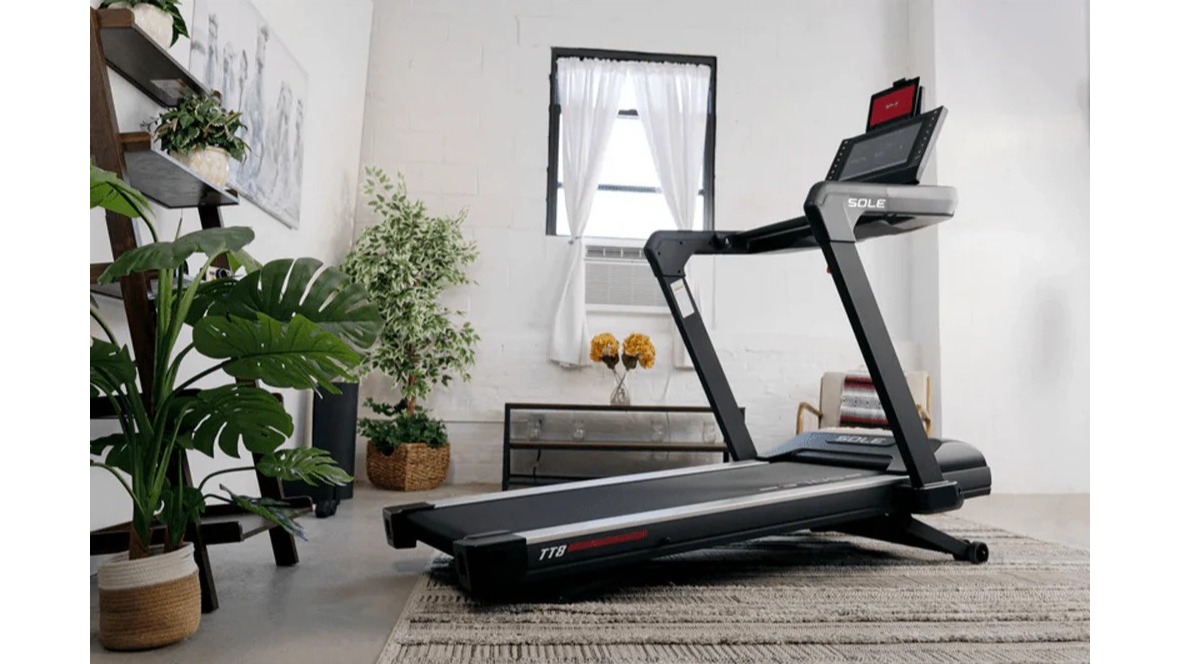
TT8: 400 lb Capacity Commercial-Grade Beast
The TT8 sets the standard for home treadmills capable of commercial-level performance - with the highest limit. Its 4.0 CHP motor paired with a 400-pound capacity creates a platform suitable for the most demanding users and training protocols. The incline range from -6% to +15% even allows for terrain simulation, from downhill recovery runs to challenging hill repeats.
Commercial-grade construction includes reinforced welding, premium bearing systems, and a perma-waxed deck that maintains consistent belt speed and reduces maintenance requirements. The investment pays dividends in reliability, performance, and user satisfaction over years of intensive use.
Hidden Costs of Underpowered Treadmill Motors
Motor Overheating and Premature Failure
Motor replacement costs for home treadmills typically range from $300 to $600, though high-end or commercial models, or replacements including control boards, can exceed $1,000. These costs can often approach or exceed the original purchase price of budget treadmills. The warning signs appear gradually: longer warm-up periods, inconsistent speeds during workouts, and eventually complete thermal shutdowns. By the time symptoms become obvious, internal damage has usually progressed beyond economical repair.
Preventive maintenance can extend motor life, but cannot overcome fundamental design limitations. An underpowered motor will eventually fail when consistently operated beyond its intended capacity, regardless of maintenance quality or frequency.
Performance Degradation Under Heavy Load
Even before complete failure, underpowered motors exhibit performance degradation that affects workout quality. Belt slippage during acceleration, speed variations under load, and excessive noise all indicate a motor struggling to meet demands. These issues compound over time, creating an increasingly frustrating and potentially unsafe exercise environment.
The indirect costs include lost motivation, interrupted training programs, and the opportunity cost of ineffective workouts. Heavy users invest significant time and energy in their fitness routines - equipment that cannot support their efforts undermines these investments.
Look For Maximum Durability and Performance
Experts say the SOLE TT8 is ideal for heavy users. Its 4.0 CHP motor provides substantial power reserves, ensuring smooth operation even during the most demanding workouts. The commercial-grade construction translates engineering principles from gym environments to home use, creating equipment capable of handling unlimited intensity and frequency.
Advanced features complement the robust foundation: Bluetooth audio integration, wireless charging, and a 15.6" touchscreen provide modern convenience without compromising reliability. The lifetime warranty on frame and motor demonstrates manufacturer confidence in long-term durability - and that's a vital consideration for users making significant fitness equipment investments.
Real-world testing confirms the TT8's capabilities under maximum load conditions, maintaining consistent belt speed and quiet operation regardless of user weight or workout intensity. This performance consistency enables heavy users to focus entirely on their fitness goals rather than equipment limitations - and a treadmill retailer will be able to help you find a machine that aligns with your own journey.
SOLE Fitness
City: Salt Lake City
Address: 56 Exchange Pl.
Website: https://www.soletreadmills.com/


Comments
Post a Comment