Which Cargo Trailers Can Reduce Fuel Consumption? Poplar Bluff Dealers Explain
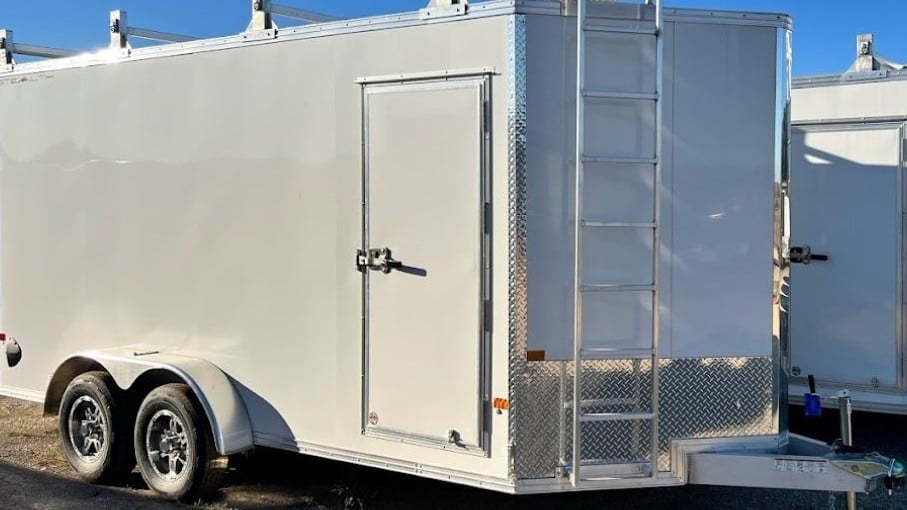
As IndexBox forecasts a steady growth in the US trailer market by 2035, trailer dealers note that inventory options are only expanding. Choosing the right trailer features can make or break a commercial operation's profitability, data shows, as from material composition to suspension systems, each component affects everything from fuel efficiency to cargo protection. Understanding which premium features deliver real business value requires expertise that goes way beyond basic specifications.
Critical Trailer Features That Improve Business Operations
Commercial trailer selection demands the careful evaluation of features that directly impact operational efficiency. In Missouri and beyond, most successful fleet managers focus on components that reduce total cost of ownership while maximizing payload capacity and reliability. Weight distribution, aerodynamic design, and maintenance accessibility top the list of features that separate premium trailers from basic models.
Modern commercial trailers incorporate advanced engineering solutions that address common industry challenges. Features like integrated tie-down systems, reinforced flooring, and strategic lighting placement improve both safety and productivity during loading operations. Current cargo trailer selections demonstrate how premium features translate into measurable business advantages.
The key lies in understanding how specific features align with operational demands. Temperature-sensitive cargo requires different considerations than construction materials, while long-haul operations prioritize fuel efficiency over features needed for local delivery routes. Smart businesses invest in features that solve their most expensive operational challenges first.
Material Choices That Impact Bottom Lines
Material selection represents one of the most significant decisions affecting long-term trailer performance and costs. The choice between aluminum and steel construction influences everything from initial purchase price to ongoing maintenance expenses, making this decision critical for fleet profitability.
1. Aluminum Trailers: Fuel Efficiency Meets Corrosion Resistance
Aluminum trailers deliver substantial fuel savings through reduced weight, typically weighing 1,000 to 2,000 pounds less than comparable steel units. This weight reduction translates to increased payload capacity and improved fuel economy, with reported improvements in fuel efficiency ranging from 3% to 15%. The natural corrosion resistance of aluminum eliminates rust-related maintenance costs that plague steel trailers in harsh weather conditions.
The higher initial investment in aluminum construction pays dividends through extended service life and reduced maintenance requirements. Fleet managers report aluminum trailers maintaining structural integrity and appearance far longer than steel alternatives, particularly in coastal regions or areas with heavy road salt usage during winter months.
2. Steel Trailers: Superior Strength for Heavy-Duty Applications
Steel construction excels in applications requiring maximum structural strength and impact resistance. Heavy equipment transport, construction materials, and industrial cargo benefit from steel's superior load-bearing capabilities and resistance to damage from loading equipment. The lower upfront cost makes steel trailers attractive for operations with tight capital constraints.
Modern steel trailer manufacturing incorporates advanced coatings and galvanization processes that significantly extend service life. While maintenance requirements remain higher than aluminum, proper care and regular inspections can deliver decades of reliable service from quality steel trailers.
Suspension Systems for Different Cargo Types
Suspension system selection directly affects cargo protection, driver comfort, and trailer longevity. Understanding the trade-offs between different suspension technologies helps businesses choose systems that optimize performance for their specific hauling requirements.
1. Air Ride: Premium Protection for Delicate Loads
Air ride suspension systems provide unmatched cargo protection through superior vibration dampening and road shock absorption. This technology can prove vital for transporting electronics, pharmaceuticals, or other damage-sensitive freight where cargo claims can exceed thousands of dollars, experts say. And such systems also reduce driver fatigue on long hauls while extending trailer component life through reduced stress and vibration.
2. Spring Suspension: Durability-First Approach
Traditional spring suspension systems offer proven durability and lower maintenance requirements for standard freight applications. The simpler design reduces potential failure points while providing adequate performance for most general cargo transport needs. Spring suspension excels in harsh operating environments where air system components might face damage from debris or extreme temperatures.
Specialized Trailer Configurations for Maximum Efficiency
Advanced trailer configurations address specific hauling challenges that standard designs can't handle effectively. These specialized features enable businesses to transport unique cargo types while maintaining legal compliance and operational safety.
1. Multi-Axle Systems for Heavy Equipment Transport
Multi-axle configurations distribute weight across additional contact points, enabling legal transport of heavier loads while reducing road surface damage. Triple and quad-axle systems allow operators to maximize payload within legal limits while maintaining stability during transport. Strategic axle placement optimizes weight distribution for different load types and configurations.
The engineering behind multi-axle systems involves precise calculations of load distribution, tire contact patches, and suspension geometry. Properly configured multi-axle trailers can legally transport loads exceeding 80,000 pounds gross vehicle weight with appropriate permits and routing.
2. Temperature-Controlled Features for Perishable Cargo
Refrigerated trailer technology goes way beyond basic cooling systems. Modern reefer units incorporate precise temperature control, humidity management, and air circulation systems that maintain optimal conditions for different product types. Advanced insulation materials and efficient refrigeration units minimize energy consumption while ensuring consistent temperature maintenance.
Multi-zone temperature control allows simultaneous transport of products requiring different storage conditions. GPS-enabled monitoring systems provide real-time temperature data and alert operators to potential system failures before cargo damage occurs.
3. Low-Deck Designs for Oversized Load Handling
Low-deck trailer designs maximize legal height clearances for oversized cargo transport. Step-deck, double-drop, and removable gooseneck configurations accommodate equipment that exceeds standard trailer height limits. These specialized designs often feature extendable lengths, reinforced deck areas, and integrated tie-down systems engineered for specific load types.
Strategic deck height placement allows operators to transport taller equipment while remaining within legal height restrictions. Removable gooseneck designs enable loading of extremely heavy equipment using the trailer's own hydraulic systems.
Maintenance Features That Prevent Costly Downtime
Trailer downtime costs commercial operators an average of $500-800 per day in lost revenue and productivity. Smart maintenance features built into premium trailers significantly reduce unexpected failures and extend service intervals. Accessible service points, durable components, and integrated monitoring systems help prevent minor issues from becoming major repairs.
Modern trailers incorporate features like sealed bearing assemblies, extended-life brake components, and corrosion-resistant hardware that reduce routine maintenance requirements. LED lighting systems last significantly longer than traditional incandescent bulbs while drawing less power from the towing vehicle's electrical system.
Local Experts Weigh In On Optimal Trailer Solutions
Regional expertise is invaluable when selecting trailer features optimized for local operating conditions. Dealers familiar with area regulations, road conditions, and climate factors provide insights that generic recommendations cannot match. Local knowledge includes everything from permit requirements for oversized loads to understanding which materials perform best in regional weather patterns.
Experienced trailer professionals understand the nuances of different applications within their service area. In Poplar Bluff, for instance, locals recognize that nearby agricultural operations face different challenges than construction companies or freight haulers - calling for tailored equipment recommendations in turn. This specialized knowledge helps businesses avoid costly mistakes while maximizing equipment performance.
Building relationships with knowledgeable local dealers provides ongoing support beyond the initial purchase. These partnerships are vital for parts availability, service coordination, and equipment upgrades as business needs evolve - and market forecasts suggest that US trailer businesses are only set to flourish over the next decade.
Poplar Bluff Trailer
City: Poplar Bluff
Address: 135 Hwy T Suite B
Website: https://www.poplarblufftrailer.com/


Comments
Post a Comment