What Is A Seed Sprouter? Choosing The Right Automated Machine For Your Home
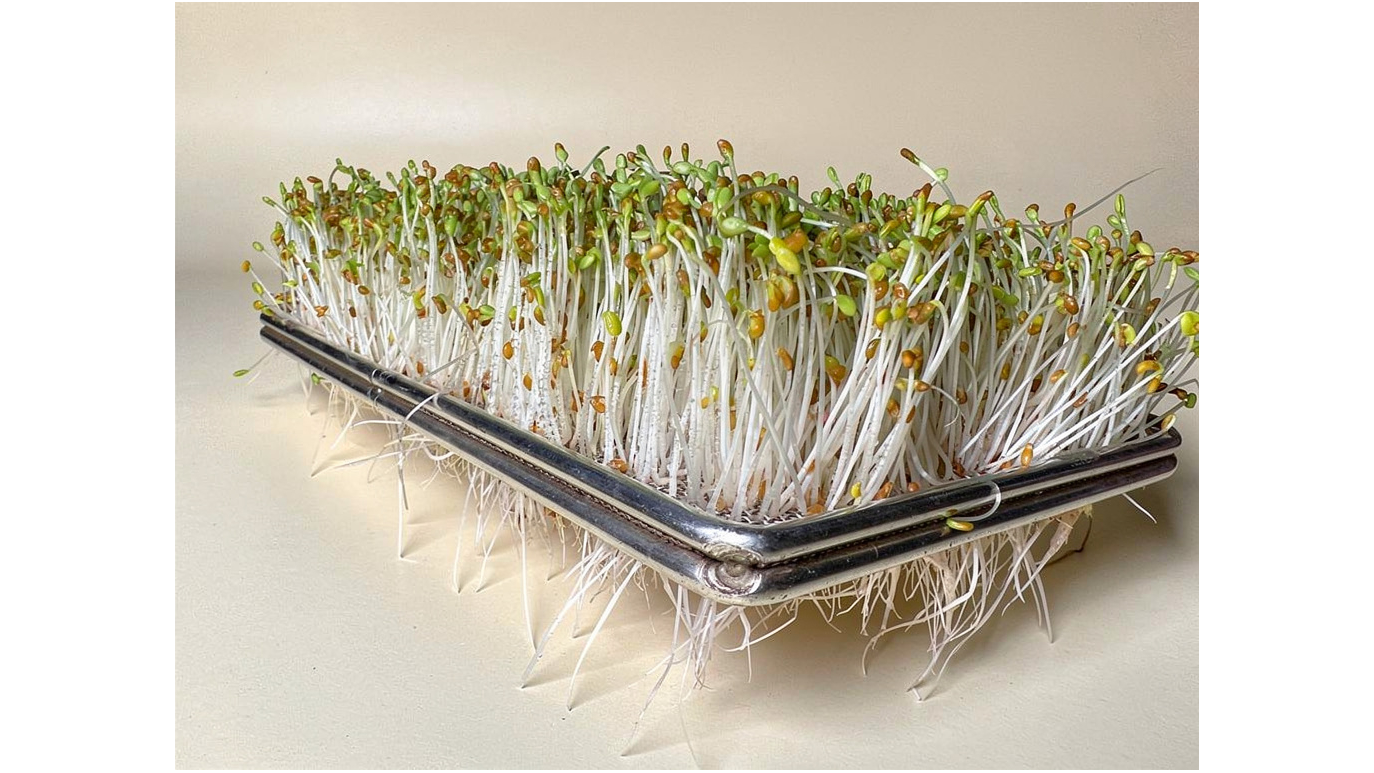
Manual sprouting turns into a frustrating cycle of forgetting rinses, finding mold, and tossing ruined batches. Automatic machines fix this by handling water cycles and drainage without constant attention.
These devices give you fresh sprouts in three to seven days while you focus on other things. Beyond the obvious automation benefits, understanding the setup process and usage technique matters just as much as picking the right machine—a lesson many first-time buyers learn the hard way. In this article, industry experts at Agriris AS explain what aspiring sprout growers need to know.
What Is a Seed Sprouter?
A seed sprouter is a device designed to germinate seeds indoors without soil, sunlight, or fertilizer. Sprouts grow only on the nourishment stored in the seeds, requiring just fresh tap water rinsed twice daily while nature takes care of the rest. The device provides a controlled environment where seeds can be soaked, drained, and rinsed repeatedly until they produce edible shoots.
The process typically takes three to five days, after which the sprouts will have grown suitable for consumption. Sprouting is considered more nutritious because complex biochemical changes occur during hydration, where reserve chemical constituents like protein, starch, and lipids are broken down by enzymes into simple compounds that the body can absorb more easily. Common seeds used in sprouters include alfalfa, mung beans, lentils, broccoli, and radish.
What Makes Automatic Sprouters Worth the Investment
Jar methods fail because people forget rinses or drain incompletely, creating perfect conditions for bacteria. Travel for a weekend, and you'll return to spoiled seeds that smell terrible. Manual systems also mean touching seeds multiple times daily, which introduces contamination that thrives in moisture.
In contrast, automatic machines run programmed cycles whether you're home or away. Seeds get exactly the water they need at the right intervals. This prevents both drowning that causes rot, and drying, which stops growth, leading to higher germination rates and better-tasting sprouts overall.
Types of Automatic Sprouters
Matching the right technology to your needs prevents wasted money and disappointing harvests down the road.
Stackable Tray Models
Water trickles from the top tray down through multiple levels before draining completely out. Timers control when pumps activate, and you can adjust intervals for different seed varieties. The real advantage here is growing several batches simultaneously at different stages, which means fresh sprouts every single day once you establish a rotation.
These units need twelve to eighteen inches of vertical space when fully stacked. Some let you adjust tray spacing for larger seeds like peas that need more room than tiny alfalfa. However, spray nozzles clog with mineral deposits over time, making water distribution uneven unless you clean them regularly.
Rotating Drum Systems
Tumbling action keeps seeds moving while misting them at set intervals, preventing clumping that creates dead spots. This constant movement improves air circulation and reduces mold compared to static trays. Larger legumes especially benefit since they tend to pile up in traditional designs.
The downside? These machines make noticeable noise during rotation cycles. Motors and bearings also experience more wear than simpler tray systems. Capacity usually runs smaller, too, since drum interiors can't match the growing surface of multiple stacked trays.
Enclosed Chamber Options
Controlled environments with regulated humidity and automated misting create ideal conditions regardless of your kitchen's temperature. Sealed designs keep contaminants out while maintaining optimal moisture levels consistently. Many newer models connect to smartphone apps for remote monitoring and adjustments.
That said, limited airflow can increase mold risk if you skip thorough cleaning between batches. These units cost more because of sensors, controls, and precise construction. Setup gets more complex with advanced features, though most manufacturers provide clear instructions that guide first-time users through programming.
The Features That Actually Matter
Smart buyers focus on specifications that directly impact sprout quality rather than flashy extras they'll never use.
Capacity Guidelines Based on Usage
- 1-3 liters works for one or two people eating sprouts daily
- 3-5 liters handles families consuming sprouts in regular meals
- 7+ liters enables small businesses or serious production needs
- 2-4 liters suits hobbyists testing different varieties
Calculate weekly consumption honestly before buying, since oversized units waste water and counter space. Different seeds also produce different yields—some varieties expand significantly during sprouting, while others stay relatively compact throughout their growth cycle.
How Water Systems Impact Your Results
Drainage matters more than most buyers realize because pooling water breeds bacteria overnight. Look for perforated trays that prevent collection around roots, plus catch basins that hold runoff away from growing areas. Fine mesh drains completely while keeping tiny seeds like alfalfa from washing through.
Watering frequency should be adjusted based on seed type since leafy greens need different moisture than beans. Basic timers work fine for one variety, but flexible programming becomes essential when experimenting with multiple types. Water recycling saves resources yet demands extra maintenance to prevent algae buildup in reservoirs and tubing.
Materials and Build Quality Matter
Every component touching sprouts must use BPA-free, food-grade plastics or stainless steel to avoid contamination. Clear materials let you monitor growth without opening lids and disturbing humidity, though opaque plastics hide mold developing in corners. Thin plastic cracks under repeated washing and temperature changes, whereas quality construction withstands years of dishwasher cycles.
Check whether parts detach completely for cleaning, since built-in nozzles and fixed tubing become impossible to sanitize properly. Replaceable components matter for long-term value because pumps fail and trays crack eventually. Warranty coverage reveals manufacturer confidence—quality brands offer at least one year of protection against defects.
Mistakes That Cost Buyers Money and Time
Price alone shouldn't drive your decision, or you'll likely abandon home sprouting within months of frustration.
Models under eighty dollars typically use flimsy materials that crack quickly or motors that burn out. Poor drainage designs guarantee mold problems. These budget units seem appealing initially, but waste money when they fail after a few uses, forcing you to repurchase anyway. Spending between one hundred fifty and three hundred dollars usually delivers reliable performance without unnecessary premium features.
Oversized capacity sounds great until you can't consume large batches before they spoil in the refrigerator. Starting with moderate capacity lets you learn sprouting basics and understand actual consumption patterns first. You can always expand to larger machines once you've mastered techniques and confirmed sprouting fits your lifestyle.
Ignoring noise levels leads to regret when pumps run during night cycles, disturbing sleep in small apartments. Read reviews specifically mentioning sound output before buying models known for loud operation. What seems minor at first becomes a dealbreaker when mechanical sounds disrupt your routine repeatedly.
How To Have Consistent Harvests
Even premium machines produce disappointing results without proper setup and maintenance routines.
Location affects outcomes more than people think, since sprouters need stable temperatures between sixty-five and seventy-five degrees. Direct sunlight overheats chambers and damages delicate seedlings. Counters near stoves or dishwashers experience temperature swings that stress sprouts, while basements often run too cold for optimal germination. Convenient access to outlets and water sources makes daily operation feel effortless instead of annoying.
Quality seeds designed for sprouting produce dramatically better results than garden seeds carrying unsuitable treatments or coatings. Purchase from reputable suppliers who test for pathogens and maintain proper storage for high germination rates. Organic certification ensures no chemical exposure, though conventional sprouting seeds from trusted sources work perfectly fine if organic exceeds your budget.
Cleaning between batches prevents bacterial buildup from contaminating fresh plantings in supposedly clean trays. Disassemble removable parts weekly and wash with hot, soapy water, then sanitize monthly with diluted vinegar. Pay special attention to tubing, nozzles, and corners where biofilm accumulates invisibly, creating slippery coatings that harbor dangerous bacteria.
Making Your Purchase Decision
Honestly assess your commitment level and willingness to maintain equipment properly, even though automation handles most work. Daily consumption patterns determine the capacity you actually need versus what sounds impressive in product descriptions. Technical comfort matters because complex models with app controls frustrate users who just want simple, reliable operation.
Budget realistically by including seeds, cleaning supplies, and potential replacement parts beyond the initial machine cost. Mid-range machines between one hundred fifty and two hundred fifty dollars typically offer the best balance of quality, features, and longevity. Premium models above three hundred dollars make sense for serious enthusiasts or small businesses, but most households don't use advanced capabilities enough to justify that investment.
Read recent verified reviews from buyers who've used machines for several months rather than ratings from people who just opened boxes. Look specifically for feedback about long-term reliability and customer service responsiveness when problems develop. Patterns in complaints reveal real issues like pump failures or design flaws, while isolated negative reviews often reflect user error.
Getting Started With Your New Sprouter
The right machine matches your actual needs for capacity, automation level, and maintenance without overpaying for unused features. Quality sprouters pay for themselves within months by replacing expensive store-bought sprouts; you grow them for pennies per batch, though proper operating techniques separate successful growers from those who struggle despite having good equipment. Focus on proven designs with solid drainage, food-safe materials, and straightforward operation rather than chasing the newest technology or lowest prices that compromise your results.
Agriris AS
City: Tingvoll
Address: Vårstien 14
Website: https://www.agriris.com


Comments
Post a Comment