USA Immigration With B1/B2 Visa - Is It Possible? Experts Explain Legal Pathways
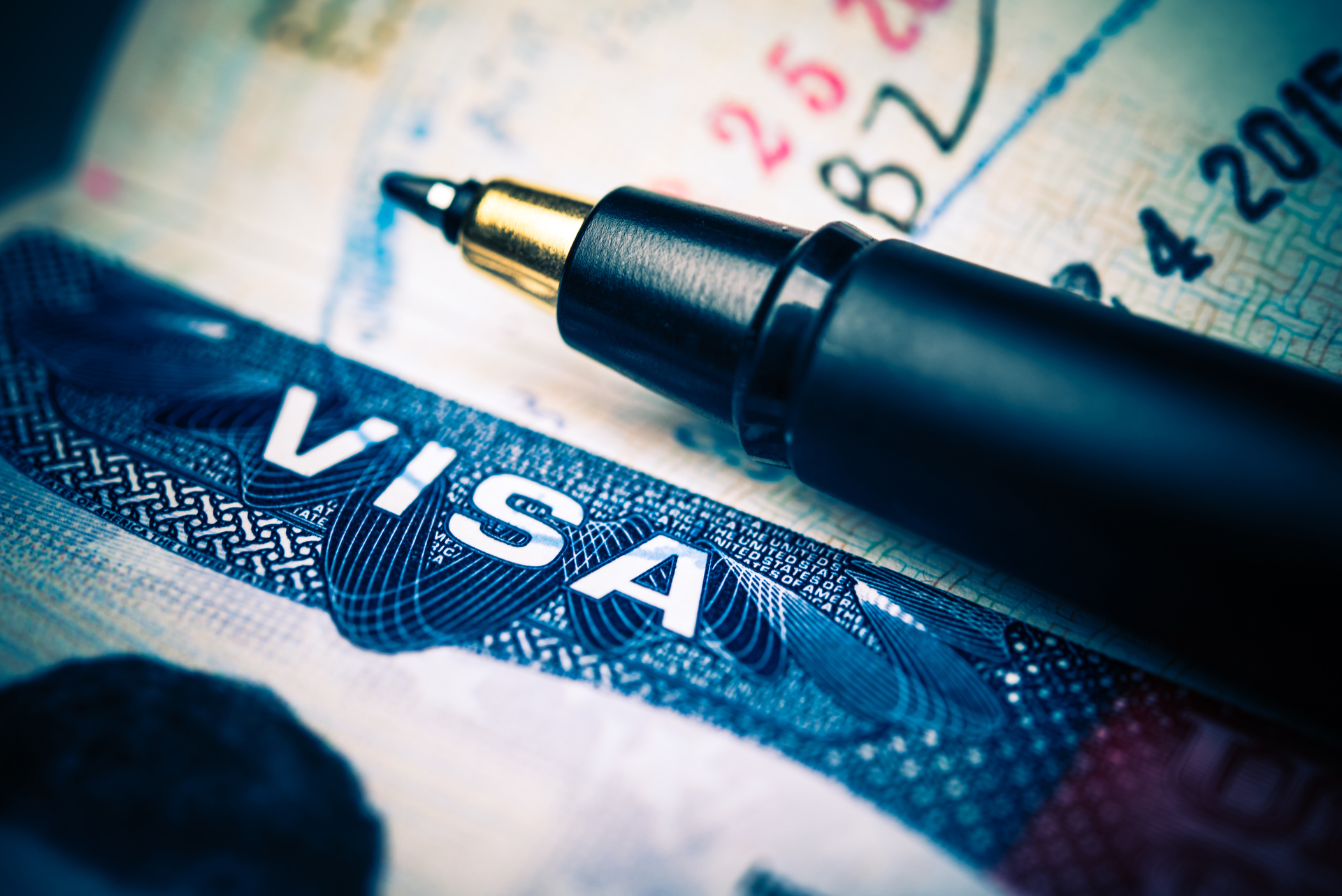
Thousands of visitors enter the United States on tourist visas each year and later find reasons to stay permanently. Whether you can switch from temporary visitor status to permanent residency depends entirely on your circumstances and timing.
U.S. immigration law allows certain visitor visa holders to apply for green cards through adjustment of status. However, understanding immigration requirements protects you from mistakes that could damage your future options. Here's what determines whether you qualify and how the process actually works.
Understanding Your Legal Path to Permanent Residency
Section 245(a) of the Immigration and Nationality Act creates a pathway for visitors to become permanent residents without leaving the country. To qualify, you must have entered legally with proper inspection at a port of entry. This means a border officer reviewed your passport and visa, then officially admitted you into the United States.
Physical presence matters because you need to be here when filing your application and when officials decide your case. Additionally, an immigrant visa must be immediately available in your category when you apply. The timing depends on your relationship to whoever sponsors you or the basis of your petition.
Beyond these basics, you'll need to prove you deserve admission as a permanent resident. Criminal convictions, previous immigration violations, or health issues can disqualify you. Meeting all these conditions simultaneously determines whether changing your status makes sense or if other options serve you better.
Family Connections That Create Eligibility
Marriage to a U.S. citizen during your visit creates immediate eligibility for a green card. Spouses fall into the immediate relative category, which means no waiting period for visa availability. Your U.S. citizen spouse files a petition while you simultaneously apply to adjust status.
Parents of U.S. citizens over age 21 qualify as immediate relatives, too, as do unmarried children under 21. These relationships move faster than others because visa numbers are always available. In contrast, spouses and unmarried children of green card holders must wait according to the monthly visa bulletin.
The waiting period for non-immediate relatives varies based on country of origin and relationship category. Some people wait months while others wait years before visa numbers become available. This distinction between immediate and non-immediate relatives significantly affects your timeline and planning.
Work-Based Routes to a Green Card
Employers who need your specific skills can sponsor you for permanent residency if no qualified U.S. workers are available. The process requires proving this labor shortage through detailed documentation. Meanwhile, workers with extraordinary ability in sciences, arts, education, business, or athletics can petition themselves without employer sponsorship.
Outstanding professors, researchers, multinational executives, and managers who meet detailed criteria also qualify for employment-based green cards. Physicians gain eligibility by committing to full-time work in underserved clinical areas. These special provisions aim to improve healthcare access in struggling communities.
Employment-based options generally require more documentation than family-based applications. You must demonstrate qualifications that set you apart from typical workers. Strong evidence of achievements, awards, publications, or unique expertise strengthens these cases considerably.
Investment Programs and Special Categories
Foreign investors who put substantial capital into U.S. businesses that create jobs qualify through the EB-5 program. Minimum investment amounts vary depending on the location of the business. Rural and high-unemployment areas require lower investments than other regions.
Religious workers, certain international broadcasters, and people who worked as translators for U.S. government operations in Iraq or Afghanistan have specialized pathways. Refugees and asylum seekers who received that status at least one year ago can adjust to permanent residency. Victims of human trafficking, severe abuse, or certain crimes may also qualify through protective programs.
Each category has unique requirements and documentation standards. Some require years of qualifying work experience, while others focus on capital investment or humanitarian factors. Matching your situation to the right category becomes crucial for success.
Getting the Timing Right Matters More Than You Think
Entering the U.S. on a visitor visa with hidden plans to stay permanently constitutes visa fraud. This violation can destroy your immigration chances forever, regardless of future eligibility. Immigration officers examine when you filed your green card application relative to your entry date.
Filing too quickly after arrival raises red flags suggesting you lied about temporary visit plans. Waiting until after you arrive, then discovering legitimate reasons to stay, demonstrates proper intent. The difference between these scenarios determines whether officers view your case as honest or fraudulent.
Your visitor visa status expires according to the date on your I-94 arrival record. Filing an adjustment application before that date protects you from unlawful presence. Once properly filed, you can remain legally even if your visitor status expires, though leaving without advance parole abandons your pending application.
Required Forms and Documentation
Your sponsoring family member or employer files the initial petition establishing your eligibility in a specific category. After approval or concurrent with that filing, you submit Form I-485 with extensive supporting documents. These papers prove your identity, background, and qualifications for admission.
Medical examinations from approved civil surgeons verify that you don't have communicable diseases or inadmissible health conditions. Police certificates from every country where you lived for over six months since age 16 demonstrate a clean criminal history. Birth certificates, marriage certificates, and passport copies round out the basic documentation requirements.
Evidence quality matters as much as quantity because unclear or inconsistent documents trigger requests for additional evidence. Officers need to verify every claimed fact through reliable documentation. Organizing your evidence logically and clearly speeds processing and reduces complications.
The Interview and Biometrics Process
The government collects your fingerprints, photograph, and signature at an Application Support Center for background checks. Most family-based applicants attend in-person interviews at local U.S. Citizenship and Immigration Services offices. Officers verify information and assess relationship validity during these meetings.
Employment-based cases sometimes skip interviews when documentation clearly supports approval. However, officers can require interviews whenever they need additional information or clarification. Parent petitions filed by U.S. citizen children often get approved without interviews since birth certificates easily verify these straightforward relationships.
Preparing for your interview involves reviewing your entire application and supporting documents. Officers ask about inconsistencies, gaps in employment or residence, and relationship details. Honest, consistent answers that match your written application help officers reach favorable decisions.
Current Processing Times and Costs
Processing times currently extend beyond one year in most locations, with some jurisdictions taking 18 months or longer. The I-485 application costs $1,140 plus an $85 biometrics fee for applicants between ages 14 and 79. These amounts change periodically, so verify current fees before mailing your application.
Filing with incorrect fees results in rejection and delays your case by weeks or months. Form I-765 for work authorization and Form I-131 for travel permission can be filed simultaneously with your adjustment application. This allows you to work and travel while waiting for your green card decision.
Work authorization typically arrives within 90 to 150 days after filing, though processing times vary by service center. Travel documents take similar timeframes but require more careful planning. Leaving the U.S. without approved advance parole abandons your adjustment application entirely.
Special Exceptions and Considerations
Section 245(i) helps people who entered without inspection, worked without authorization, or fell out of legal status. If someone filed a labor certification or family petition for them on or before April 30, 2001, they might still adjust status. This provision requires Form I-485 Supplement A and a $1,000 penalty.
Without this exception, many people would need to leave the country and risk lengthy bars to reentry. Three-year and ten-year bars apply to people who accumulated unlawful presence before departing. Section 245(i) offers a narrow but valuable escape from this harsh consequence.
Different USCIS field offices have varying processing speeds and interview scheduling practices that affect your timeline. Some offices move faster than others due to staffing levels and local caseloads. This geographic variation means identical applications filed in different cities receive decisions months apart.
Why Professional Guidance Makes a Difference
A professional legal assessment determines whether adjusting status works for your situation or if consular processing offers better chances. Annual policy changes and evolving case law mean immigration advice from even a year ago might not apply. What worked for someone else might fail in your case due to subtle differences in facts or timing.
Experienced immigration attorneys who specialize in adjustment of status navigate complex situations and avoid costly mistakes. Taking action before your visitor status expires gives you the most options and the strongest position. Since immigration rules constantly shift and individual circumstances vary widely, consulting with knowledgeable professionals helps you make informed decisions about your immigration future.
BOLD USA IMMIGRATION
City: Dallas
Address: 5350 Alpha Road
Website: https://www.boldlegal.com
Phone: +1 214 453 2500
Email: bilal@boldlegal.com


Comments
Post a Comment