Termite Prevention Methods For Homes: How To Control Colonies & Avoid Repairs
Key Takeaways
- Termites cause over $5 billion in property damage annually across the U.S., with repair costs ranging from $1,000 to $37,500 for major structural issues
- Eastern subterranean and Formosan termites are Virginia's primary threats, with Formosan colonies consuming nearly a pound of wood daily
- Early warning signs include pencil-thin mud tubes along foundations, hollow-sounding wood, and discarded wings near windows and doors
- Professional annual inspection and protection programs typically cost $300-$800 but can prevent thousands in repair expenses that homeowners' insurance typically won't cover
- Effective prevention combines moisture elimination, proper landscaping, physical barriers, and termite-resistant materials
Virginia homeowners face a silent threat that destroys property values and structural integrity without warning. Understanding termite behavior and implementing proven prevention strategies can mean the difference between minor maintenance costs and devastating repair bills that often exceed $10,000.
Termites Cause Over $5 Billion in Annual Property Damage Across the U.S.
The numbers paint a sobering picture for American homeowners. Termites inflict more than $5 billion in property damage every year, often going completely undetected until significant structural harm has already occurred. What makes this statistic particularly alarming is that most homeowners' insurance policies exclude termite damage coverage, leaving property owners to shoulder the entire financial burden.
Repair costs vary dramatically depending on the extent of damage discovered. The national average ranges from $1,000 to $10,000, but severe structural issues can escalate repair bills to $37,500 or more. Replacing rotted support beams costs between $1,500 and $5,000 per beam, while repairing sagging floors damaged by termites runs approximately $300 per square foot.
Beyond direct repair expenses, termite damage creates hidden costs that compound over time. Property values typically decrease by 3-5% when termite damage is discovered, utility bills increase due to compromised insulation, and severe cases may require temporary relocation during extensive repairs. Professional termite control teams in Virginia emphasize that early intervention costs significantly less than addressing widespread infestations.
Eastern Subterranean and Formosan Termites Threaten Virginia Homes
Virginia's climate creates ideal conditions for two particularly destructive termite species that pose serious threats to residential properties throughout the Mid-Atlantic region.
1. Eastern Subterranean Termites: The Persistent Problem
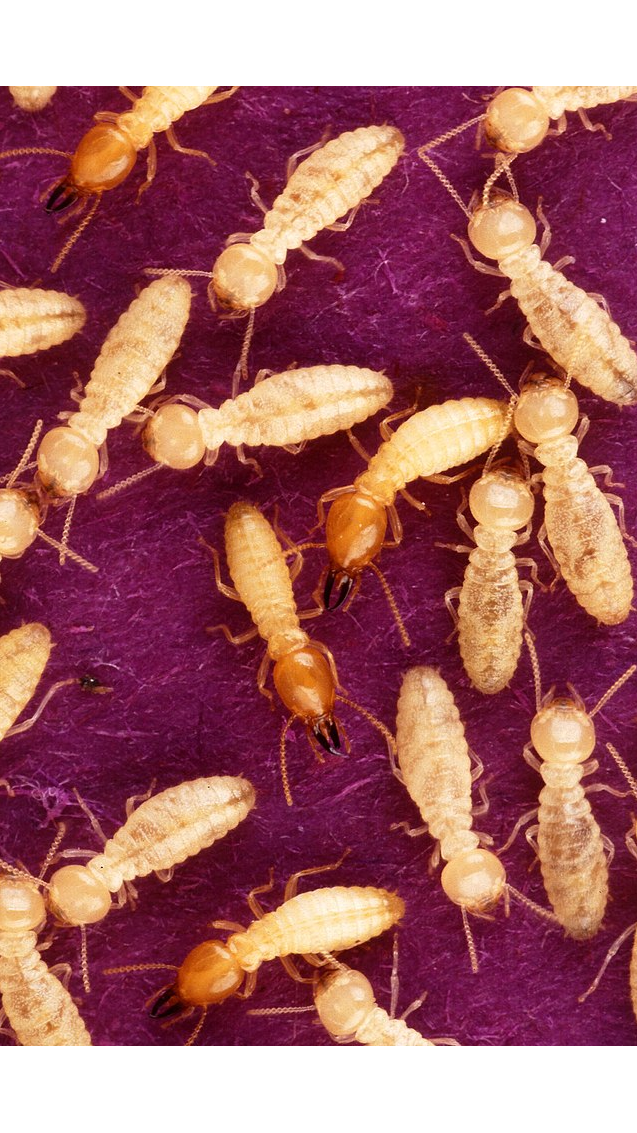
Eastern subterranean termites (*Reticulitermes flavipes*) represent the most common termite threat in Virginia. These persistent destroyers remain active year-round, even during colder months, by digging deeper into soil or staying within climate-controlled homes. Their colonies organize into distinct castes including workers, soldiers, and reproductive members, with populations potentially reaching one million individuals.
What makes these termites particularly dangerous is their relentless appetite for cellulose found in wood and plant materials. Aided by symbiotic bacteria in their digestive systems, they systematically consume wooden structures from the inside out, often leaving exterior surfaces intact to mask extensive interior damage. Their saw-toothed jaws can completely compromise a building's structural integrity over time.
2. Formosan Subterranean Termites: The Super Colony Destroyers
Formosan subterranean termites (*Coptotermes formosanus*) earn their reputation as "super colony destroyers" through sheer destructive capacity. These aggressive invaders can consume nearly a pound of wood daily, making them exponentially more damaging than their Eastern cousins. A single Formosan colony can contain several million termites working around the clock to devour structural wood.
Formosan termites build elaborate tunnel systems that connect their underground colonies to food sources within homes. Their ability to construct aerial colonies in wall voids and attic spaces means they can establish multiple infestation sites throughout a single property, dramatically accelerating structural damage.
Early Warning Signs Before Costly Damage Occurs
Recognizing termite activity before extensive damage occurs can save homeowners thousands in repair costs. Virginia's most common termite species leave distinct evidence of their presence for those who know what to look for.
1. Mud Tubes Along Foundation Walls
Pencil-thin mud tubes represent the most reliable indicator of subterranean termite activity. These protective highways, constructed from wood particles and soil, appear along foundation walls, basement areas, and other surfaces where termites travel between their colonies and food sources. The tubes provide necessary moisture and protection from predators during termite movement.
Finding mud tubes confirms active termite presence, but their absence doesn't guarantee a termite-free property. Termites may not have constructed visible tubes yet, and some species access homes through underground routes that remain hidden from casual observation.
2. Hollow-Sounding Wood and Swarming Alates
Termites consume wood from the interior outward, following natural grain patterns while leaving surface wood intact. Tapping suspected areas with a screwdriver handle produces a hollow, drum-like sound instead of the solid thud of healthy wood. Pressing a flathead screwdriver into damaged wood reveals how easily compromised timber gives way under minimal pressure.
Winged reproductive termites, called alates, emerge during breeding season to establish new colonies. These swarming events typically occur in spring when environmental conditions favor colony expansion. Spotting flying termites around a property indicates nearby established colonies preparing to spread.
3. Discarded Wings Near Windows and Doors
After swarming, termites shed their wings in distinctive piles that resemble tiny fish scales. These discarded wings commonly accumulate near windows, door frames, and other entry points where termites attempt to access homes. Large quantities of wings found indoors strongly suggest termite swarms have occurred nearby.
Virginia's subterranean termites rarely leave visible frass (droppings) since they incorporate waste materials into their mud tube construction. However, other evidence like bubbling paint caused by moisture intrusion through termite-damaged wood can signal hidden infestations.
Proven Prevention Methods to Protect Your Investment
Effective termite prevention requires a multi-layered approach that addresses the environmental conditions termites need to survive and thrive around residential properties.
1. Eliminate Moisture Sources and Fix Leaks
Subterranean termites require consistent moisture to survive, making water management the foundation of any prevention strategy. Repairing leaky faucets, fixing damaged gutters, and addressing drainage problems removes the moisture sources that attract termite colonies to properties.
Installing dehumidifiers in crawl spaces and basements helps maintain proper humidity levels that discourage termite activity. Ensuring downspouts direct water at least six feet away from foundation walls prevents moisture accumulation in soil adjacent to homes. Proper grading around properties promotes drainage away from structures rather than toward foundations.
2. Proper Landscaping and Vegetation Management
Strategic landscaping creates physical barriers between termite colonies and homes while eliminating attractive food sources. Maintaining at least 6-12 inches of clear space between plants, mulch, and foundation walls reduces termite access points and makes inspection easier.
Removing wood debris, dead tree stumps, and excess vegetation eliminates potential termite food sources near homes. When using mulch, consider alternatives like rubber or gravel-based products instead of wood-based materials that attract termites. Regular trimming prevents tree branches and shrubs from touching exterior walls, which can provide termite highways into structures.
3. Physical Barriers and Foundation Protection
Physical termite barriers create impenetrable obstacles that force termites to search elsewhere for food sources. Steel mesh screens installed during construction or renovation prevent termite access through foundation cracks and gaps. Concrete foundations naturally resist termite penetration better than wood-based alternatives.
Termite shields made from galvanized metal or other termite-resistant materials can be retrofitted to existing structures. These barriers force termites into the open where they become visible during routine inspections, enabling early detection before significant damage occurs.
4. Seal Entry Points and Use Termite-Resistant Materials
Sealing eliminates the tiny cracks and gaps that provide termite access into homes. Using high-quality caulk and sealants around pipe penetrations, foundation joints, and wall intersections creates physical barriers against termite intrusion.
When building or renovating, selecting termite-resistant materials significantly reduces vulnerability. Pressure-treated lumber, naturally resistant wood species like cedar or redwood, and composite materials offer protection against termite damage. Metal framing and concrete construction provide the highest level of termite resistance for critical structural elements.
Professional Inspections Save Thousands in Repair Costs
Professional termite inspections represent the most cost-effective method for protecting homes from expensive structural damage while providing peace of mind for property owners.
Annual Inspections vs. $10,000+ Damage Bills
The mathematics of termite prevention strongly favor proactive professional inspections over reactive damage repair. Annual inspection and protection programs typically cost between $300 and $800, while termite damage repairs often exceed $10,000 for moderate infestations and can reach $37,500 for severe structural compromises.
Professional protection plans include regular monitoring, early intervention when activity is detected, and often guarantee coverage for repairs if termites breach the protection system. This approach contrasts sharply with the financial devastation homeowners face when discovering advanced infestations that require extensive structural repairs.
Advanced Detection Tools Find Hidden Activity
Professional inspectors utilize sophisticated detection equipment that reveals termite activity invisible to untrained eyes. Moisture meters identify areas of elevated humidity that attract termites, while infrared cameras detect temperature variations caused by termite activity within walls and other concealed spaces.
Acoustic detection devices can identify the subtle sounds termites make while feeding, allowing inspectors to pinpoint active colonies before visible damage appears. These advanced tools, combined with professional training in termite behavior and biology, provide detection capabilities far beyond what homeowners can achieve through DIY inspections.
Where to Find Professional Termite Protection Plans
Selecting the right termite protection provider requires evaluating experience, treatment methods, guarantees, and ongoing support services. Established pest control companies with specific termite expertise offer the most protection against Virginia's destructive termite species.
Look for providers who offer integrated pest management approaches combining liquid soil treatments, baiting systems, and regular monitoring. The best protection plans include annual inspections, guaranteed re-treatment if termites return, and repair coverage for damage that occurs despite treatment.
Quality termite protection providers maintain proper licensing, insurance, and certification from industry organizations. They should provide detailed inspection reports, explain treatment options clearly, and offer transparent pricing without hidden fees or high-pressure sales tactics.
Connor's Pest Pros
City: Springfield
Address: 5410 Port Royal Rd
Website: https://connorspestpros.com/contact/


Comments
Post a Comment