Roll Off vs Front Load Dumpster For Cleanout Projects: Which To Choose
Key Takeaways
- Roll-off dumpsters handle temporary projects like home renovations and major cleanouts with sizes from 10-40 yards, while front-load dumpsters serve ongoing business waste with 2-8 yard capacities.
- Project size determines container choice: small cleanouts use 10-yard roll-offs, medium renovations need 15-20 yards, and large projects require 30-40-yard containers.
- Weight limits often matter more than volume - heavy materials like concrete can fill a dumpster's weight capacity before reaching its size limit.
- Loading methods differ significantly: roll-offs feature open tops for easy access, while front-loads have lids for weather protection and regular pickup schedules.
Choosing between a roll-off and front-load dumpster can make or break your cleanout project's success. The wrong choice leads to overflowing containers, unexpected fees, and frustrated homeowners scrambling for solutions mid-project.
Roll-Off Dumpsters Handle Big, Messy Projects While Front-Load Serves Regular Business Waste
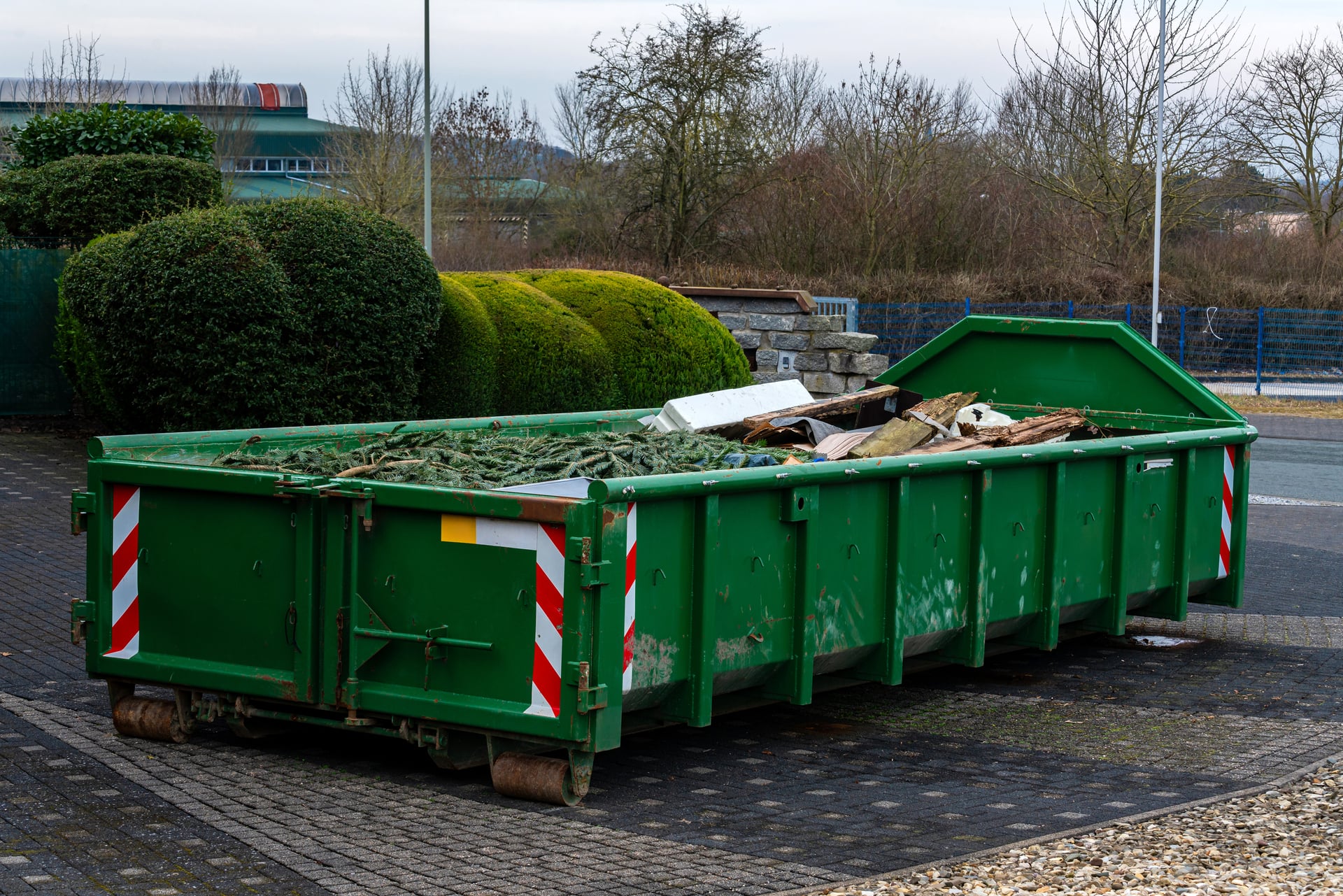
Roll-off dumpsters are the workhorses of temporary waste removal. These large, open-top containers arrive on specialized trucks that literally roll them off onto your property. With capacities ranging from 10 to 40 cubic yards, they're built for projects that generate substantial debris in a short timeframe.
Front-load dumpsters take a completely different approach. These smaller containers, typically 2 to 8 cubic yards, feature hinged lids and are designed for businesses that need regular waste pickup. You'll spot them behind restaurants, offices, and apartment complexes where they handle daily trash on scheduled collection routes.
The fundamental difference lies in their purpose: roll-offs tackle temporary projects with massive waste volumes, while front-loads manage ongoing business operations.
Know Your Project Size Before You Rent
Estimating your project's waste volume prevents costly mistakes and rental headaches. Most homeowners underestimate how much debris their projects will generate, leading to overflowing containers or emergency second deliveries.
1. Small Cleanouts Work Well With 10-Yard Roll-Off Dumpsters
A 10-yard dumpster handles approximately 3-4 pickup truck loads of waste, making it perfect for garage decluttering, small bathroom remodels, or spring cleaning projects. These compact containers measure roughly 12-17 feet long, 7-8 feet wide, and 2-3.5 feet high, fitting easily in most driveways without blocking traffic flow.
Typical 10-yard projects include attic cleanouts, minor flooring replacement in single rooms, or disposing of old furniture and household items. The container's lower walls make loading easier for homeowners working without heavy equipment or professional crews.
2. Medium Projects Work Best With 15-20 Yard Containers
Kitchen remodels, bathroom renovations, and roofing projects typically require 15-20 yard containers. A 20-yard dumpster accommodates about 6-8 pickup truck loads and measures approximately 21-22 feet long, 7-8 feet wide, and 3.5-4.5 feet high.
These mid-size containers handle bulky items like cabinets, countertops, and flooring materials that won't fit in smaller dumpsters. Many feature convenient rear doors, allowing homeowners to walk debris directly into the container instead of lifting everything over the sides.
3. Large Renovations Are Best Suited for 30-40 Yard Dumpsters
Whole-house renovations, major construction projects, and multi-room remodels demand 30-40 yard containers. A 30-yard dumpster holds approximately 9-14 pickup truck loads and can accommodate full-length planks, windows, and large furniture pieces.
The 40-yard option, measuring 21-24 feet long, 7-8 feet wide, and 7-8 feet high, represents the largest available size. These containers work best for commercial renovations or residential projects involving significant demolition work.
4. Front-Load Dumpsters Stay Put for Ongoing Waste
Front-load dumpsters serve a completely different purpose than temporary roll-offs. These permanent fixtures handle regular business waste through scheduled pickup services, typically weekly or bi-weekly depending on waste generation patterns.
Small businesses often start with 2-yard containers, while restaurants and retail stores commonly use 4-6 yard options. The largest 8-yard containers work well for apartment complexes and larger commercial operations generating substantial daily waste.
Weight Limits Matter More Than You Think
Understanding weight restrictions prevents expensive overage fees and potential safety hazards during container pickup. Every dumpster has both volume and weight limitations, and exceeding either triggers additional charges.
Heavy Materials Fill Dumpsters Fast
Concrete, dirt, shingles, and tile are deceptively heavy materials that can quickly exceed weight limits before filling a container's volume capacity. A 10-yard dumpster might hold only 2-3 tons of concrete, even though it appears half empty.
Smart project planning separates heavy materials from lighter debris. Consider renting a smaller container specifically for concrete or dirt, then using a larger container for bulky but lightweight items like insulation, cardboard, or broken furniture.
Overage Fees Add Up Quickly
Weight overage fees typically range from $50-100 per ton above the included limit. A seemingly small miscalculation can easily add $200-300 to your final bill, turning an affordable rental into a budget buster.
Rental companies include specific weight allowances in their pricing. A typical 20-yard dumpster might include 2-3 tons, while larger containers often allow 4-6 tons. Always clarify weight limits upfront and estimate your debris accordingly.
Loading Methods Change Everything
How you'll access and fill your container significantly impacts project efficiency and worker safety. The two dumpster types offer completely different loading experiences.
Roll-Off Open Tops Make Loading Easy
Roll-off dumpsters feature open-top designs that allow loading from any direction. Most include swing-open rear doors, creating walk-in access for wheelbarrows or hand-carrying debris. This accessibility proves invaluable when disposing of heavy or awkward items.
The open design also accommodates crane or equipment loading for commercial projects. Contractors can position excavators or loaders adjacent to the container, dramatically speeding up debris removal on large job sites.
Front-Load Lids Keep Weather Out
Front-load dumpsters feature hinged plastic lids that protect contents from rain, snow, and wind. These covers prevent loose materials from blowing around parking lots or creating neighborhood complaints.
The lids also provide security, deterring unauthorized dumping that can quickly fill containers with unwanted waste. Many businesses appreciate this controlled access, especially in urban areas where illegal dumping poses ongoing challenges.
Rental Costs Depend on Size, Weight, and Duration
Understanding pricing structures helps homeowners budget accurately for their cleanout projects. The two dumpster types follow completely different cost models.
Roll-Off Pricing Covers 7-10 Days
Roll-off rentals typically include 7-10 day periods in their base pricing. This timeframe works well for most residential projects, allowing weekends and some flexibility for weather delays or project complications.
Pricing includes delivery, pickup, disposal, fuel, and environmental fees in transparent flat rates. Extensions beyond the included period typically cost $10-20 per day, making short delays manageable without budget shock.
Front-Load Contracts Run Monthly or Weekly
Front-load services operate on recurring contracts with monthly or weekly billing cycles. These arrangements include regular pickup schedules, container maintenance, and liability coverage as part of ongoing service relationships.
Businesses benefit from predictable waste management costs that scale with their operations. Contract terms often include seasonal adjustments and service modifications as business needs change throughout the year.
Choose the Right Dumpster Rental Partner for Your Project Success
Selecting an experienced local dumpster rental company ensures proper container sizing, reliable delivery, and transparent pricing throughout your project. Look for providers who ask detailed questions about your specific needs rather than offering one-size-fits-all solutions.
Quality rental companies provide detailed guidance on weight limits, prohibited materials, and placement requirements. They should also offer flexible pickup scheduling and responsive customer service when project timelines change unexpectedly.
The best providers combine extensive inventory with local market knowledge, helping homeowners avoid common pitfalls while maximizing value. They understand local regulations, permit requirements, and neighborhood considerations that can impact successful container placement and service.
Easy Dumpster Rentals
City: Gainesville
Address: 4131 NW 13th St
Website: https://easydumpsterrental.com/florida/dumpster-rental-tampa-fl


Comments
Post a Comment