Repair or Replace a Washing Machine? Key Considerations & When Each Makes Sense
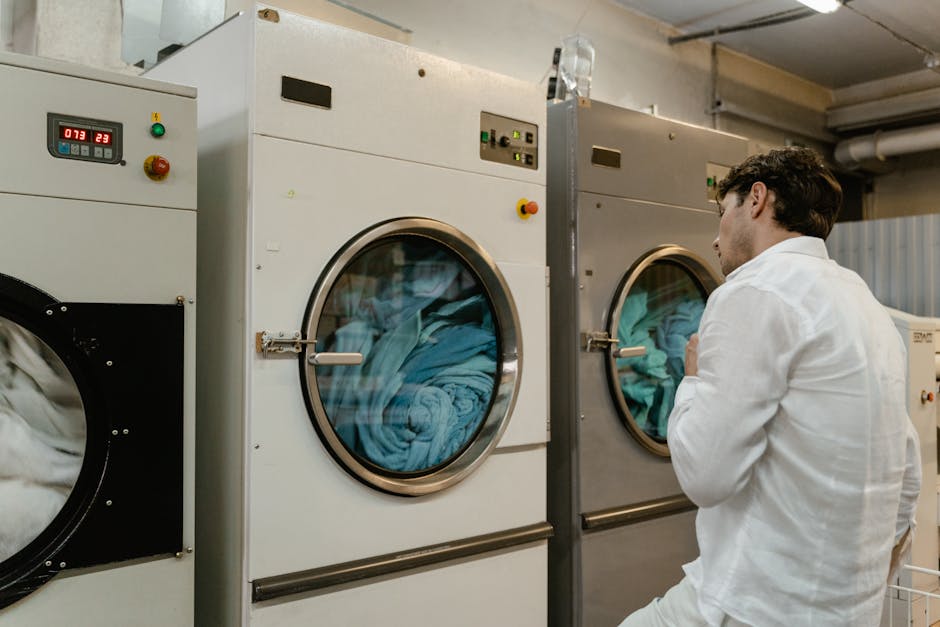
When a washing machine stops working, the decision to repair or replace it often comes down to a number of factors. Age, type of failure, repair history, and long-term reliability all play a role. Understanding how these factors interact can help homeowners avoid unnecessary expense or repeated breakdowns.
How the Age of a Washing Machine Affects Repair Value
Age is one of the strongest indicators of whether repair is worthwhile. Most modern washing machines are designed to last between 8 and 12 years under normal household use. Units approaching or exceeding that range are more likely to experience cascading failures, where fixing one issue is followed by another shortly afterward.
A newer washer with a single malfunction often benefits from repair, especially if it has otherwise performed consistently. Older units, however, may already be operating near the end of their service life, making even moderate repairs less cost-effective over time.
When Repair Costs Stop Making Financial Sense
Cost comparisons play a critical role in the decision. Appliance technicians commonly advise using a rough benchmark: if a repair approaches or exceeds half the price of a comparable replacement unit, replacement should be strongly considered.
This is not only about upfront expense. Older machines may require multiple repairs over a short period, gradually surpassing the cost of a new washer while offering less reliability and efficiency. Factoring in installation, disposal, and warranty coverage can also shift the balance toward replacement when repair costs climb.
Which Washing Machine Problems Are Usually Worth Fixing
Not all failures point toward replacement. Certain issues are typically isolated and inexpensive to correct, particularly in newer machines. These include:
- Clogged or faulty drain pumps
- Worn belts or couplings
- Defective door latches or switches
- Minor electrical or sensor faults
When addressed early, these repairs can restore full function without significantly shortening the appliance’s remaining lifespan.
Some problems, on the other hand, suggest broader deterioration rather than a single faulty component. Repeated breakdowns, loud or worsening vibration, inconsistent wash cycles, or failure to complete cycles can indicate structural or mechanical fatigue.
Drum bearing failure, severe transmission damage, or control board failures in older machines often require extensive labor and costly parts. In these cases, replacement frequently provides greater stability and fewer future disruptions.
How Leaks and Water Damage Change the Equation
Water-related issues deserve special attention. Leaks that reach flooring, walls, or nearby cabinetry can cause secondary damage that far exceeds the cost of the washer itself. Even small leaks left unresolved can lead to mold growth or structural deterioration.
When a washer leak stems from cracked tubs or compromised internal seals in an aging unit, replacement is often the safer option. Preventing ongoing water exposure becomes as important as restoring laundry access.
Efficiency and Operating Costs Over Time
Energy and water efficiency can also influence the decision. Newer washing machines generally consume less water and electricity, particularly high-efficiency models. While efficiency savings alone rarely justify immediate replacement, they can meaningfully offset costs when combined with rising repair frequency or declining performance.
Repair tends to make the most sense when the washing machine is relatively new, the issue is isolated, and the cost is proportionate to the machine’s remaining life. In these situations, a well-executed repair can restore full function and extend usability for several more years without introducing unnecessary expense.
Replacement usually becomes the better option when a washer is older, has experienced repeated breakdowns, or requires major component replacement. At that point, investing in a new machine often provides greater reliability, improved performance, and fewer disruptions over time, even if the initial cost is higher.
Making a Practical, Long-Term Decision
Ultimately, the decision to repair or replace a washing machine is less about finding a universal rule and more about evaluating condition, cost, and risk together. Taking a measured approach helps homeowners avoid rushed choices and ensures that whatever path is chosen supports both household routines and long-term value.
Expert Appliance Center
City: Marlboro Township
Address: 460 CR-520
Website: https://www.expertapplianceinc.com/contact/
Phone: +1 718 858 5444
Email: expertappliancenj@gmail.com


Comments
Post a Comment