Remote Patient Monitoring: What Is It & Why Are Medicare Practices Adopting It?
Key Takeaways
- Remote patient monitoring tracks health data from patients' homes using connected devices that send information directly to healthcare providers.
- Medicare now covers RPM services through specific billing codes when patients use devices for at least 16 days monthly.
- Early detection of problems prevents hospital visits and helps practices meet quality goals under value-based care programs.
- Success depends on choosing simple devices patients will actually use and building clear workflows for your team.
Chronic conditions don't take breaks between doctor appointments, yet traditional care models leave patients managing complex health issues alone until their next scheduled visit. When someone's blood pressure spikes or their heart failure symptoms worsen, weeks might pass before anyone notices the problem has developed into a crisis requiring emergency intervention from specialists.
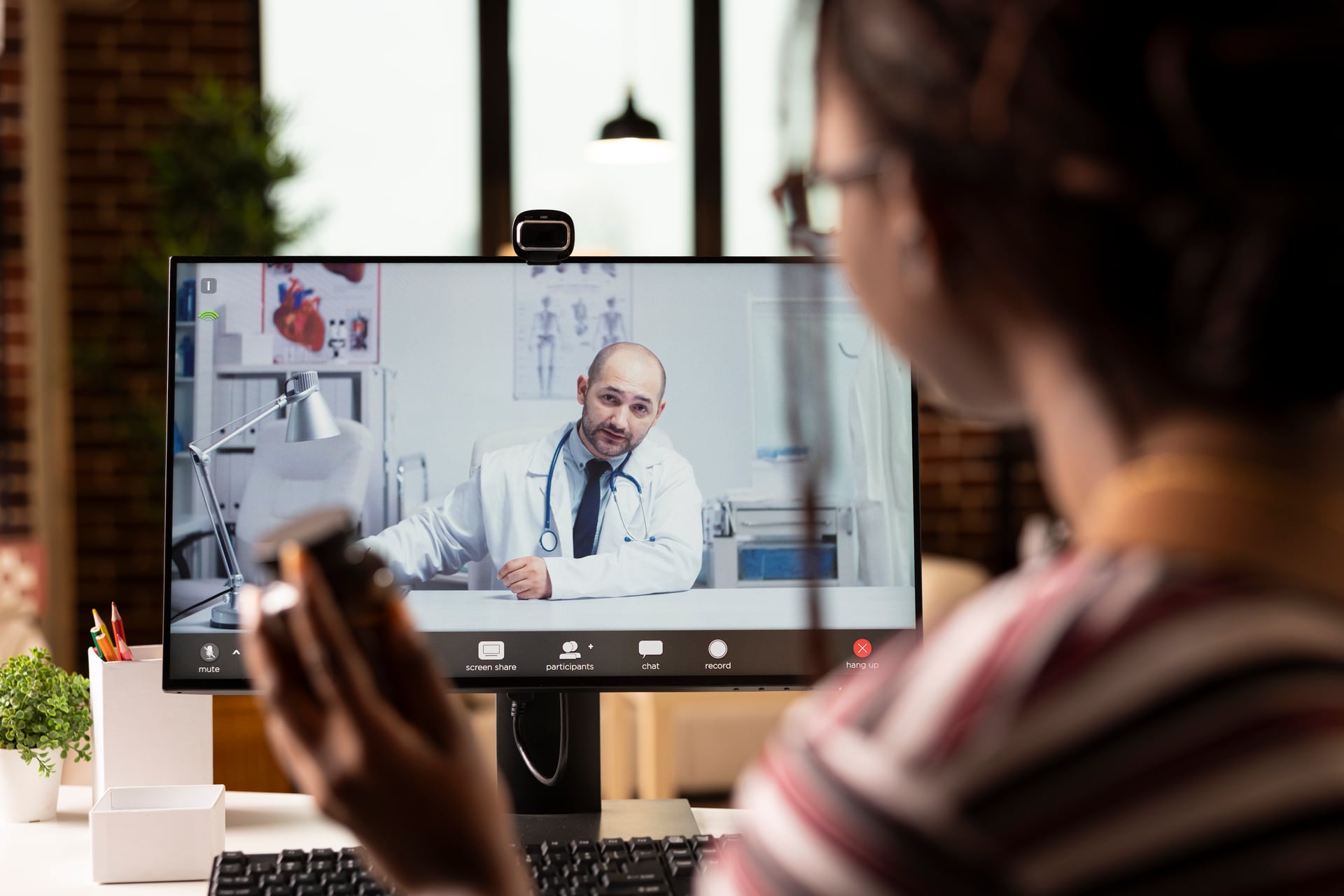
Remote patient monitoring closes these dangerous gaps by tracking patient health continuously through devices used at home. Instead of guessing what happened between appointments, providers receive real-time data that reveals problems as they develop, and support systems for implementation have made it easier for practices to adopt these programs successfully. Here's what this technology actually does and why practices are making it a standard part of care.
How This Technology Brings the Clinic Into Patients' Homes
Connected medical devices measure vital signs and symptoms at home, then automatically send this information to healthcare providers for review. Someone with diabetes uses a glucose meter that transmits readings wirelessly, while a heart failure patient relies on a digital scale and blood pressure cuff that track cardiovascular changes without manual data entry.
These measurements flow into monitoring platforms where care teams review trends and spot warning signs before emergencies develop. Rather than discovering during an appointment that blood sugar has been dangerously high for months, providers see the pattern emerging and intervene immediately with medication adjustments or guidance. The shift from periodic snapshots to continuous visibility transforms how practices manage chronic disease.
Why the Traditional Appointment Model Fails Patients
Most Medicare beneficiaries juggle multiple chronic conditions simultaneously, and appointment-based care creates risky gaps in oversight. After leaving the office with stable vital signs, patients might experience serious declines that go unnoticed until the next visit reveals damage that could have been prevented with earlier action.
Hospital readmissions cost practices money and hurt quality ratings, yet preventing these events requires knowing when patients need help before they reach a crisis point. Without daily visibility into patient status, providers can't distinguish between someone managing well at home and someone spiraling toward an emergency department visit that proper intervention could have avoided entirely.
Coordinating care becomes guesswork when providers lack information about what's actually happening between appointments. Patients feel uncertain about whether new symptoms warrant immediate attention or can wait until their next scheduled visit, leading to delayed interventions that allow manageable problems to become serious complications requiring intensive treatment.
The Financial Picture That Makes RPM Work for Practices
Medicare created specific billing codes that reimburse practices for time spent monitoring patients and reviewing data between traditional office visits. Coverage includes initial setup and patient education, device supply and monitoring, and clinical staff time reviewing data and communicating with patients about their measurements throughout each month.
Billing becomes possible when patients use devices at least 16 days monthly and transmit data that clinical staff reviews for medical decision-making. This structure ensures monitoring remains clinically meaningful while creating sustainable revenue that compensates providers for proactive care that traditional fee-for-service models historically ignored.
Beyond direct reimbursement, Medicare Advantage plans embrace these programs because preventing hospital readmissions improves their performance under value-based contracts. The combination of traditional payment and value-based incentives creates compelling financial reasons to invest in monitoring programs that simultaneously improve patient outcomes and generate new revenue.
What Practices Gain by Adding Remote Monitoring
Catching Problems Before They Become Emergencies
Watching data continuously reveals warning signs like fluid retention in heart failure patients, days before these issues would send someone to the emergency room. Staff can adjust medications or provide guidance when early indicators appear, preventing the cascade of complications that leads to hospitalization while keeping patients comfortable at home, where they want to be.
Keeping Patients Connected and Engaged
Daily device use makes patients more aware of how their behaviors affect their health measurements in real time. Regular interaction with care teams through monitoring programs reduces the isolation many seniors experience while managing chronic conditions, and knowing someone is watching encourages better adherence to treatment plans than quarterly appointments alone.
Managing More Patients Without Adding Appointments
Centralized dashboards let staff monitor dozens of patients simultaneously rather than waiting for concerning phone calls or scheduling extra office visits. Automated alerts flag patients needing immediate attention while confirming that stable patients are doing fine without requiring manual outreach, allowing nurses and coordinators to focus their energy where it matters most.
Meeting Quality Goals That Matter for Payment
Value-based care programs require practices to demonstrate strong chronic disease management and reduced hospital utilization. Continuous data collection provides documentation that supports quality reporting requirements, while improved health outcomes directly contribute to better performance in shared savings programs and risk-based contracts that increasingly determine practice revenue.
Picking Devices Your Patients Will Actually Use
Technology that confuses patients becomes expensive medical waste sitting unused in closets. Cellular-enabled devices that don't require WiFi work better for Medicare patients who lack reliable internet access or struggle with smartphone apps that demand pairing and troubleshooting.
Your monitoring platform needs to integrate with existing electronic health records so staff can access data without switching between systems throughout their workflow. Automated alerts based on customizable thresholds catch problems without overwhelming teams with readings they lack time to analyze manually, making monitoring sustainable rather than burdensome.
Starting with a single condition like diabetes or hypertension lets staff develop expertise before expanding to additional clinical areas. Beyond clinical dashboards, the technology should include patient-friendly reporting that helps people understand their own progress, because engaged patients who see improvement stick with programs long term.
Setting Up Workflows That Don't Burn Out Your Team
Assigning specific team members to monitor dashboards works better than expecting everyone to check on patients whenever they find spare time. Dedicated care coordinators or nurses focusing on remote monitoring develop pattern recognition skills and intervention expertise, while spreading responsibilities across your entire clinical staff typically results in inconsistent oversight and missed opportunities for early intervention.
Clear protocols should define when staff reach out about concerning readings versus when they escalate issues to providers for medication changes. Standardized workflows prevent both under-response, which misses important problems, and over-response, which wastes time on minor fluctuations requiring no immediate action.
Beyond responding to alerts, successful programs schedule regular touchpoints with enrolled patients to strengthen relationships and catch issues patients might not recognize as problems. Combining remote monitoring with chronic care management services provides comprehensive support addressing both medical and practical challenges patients face in managing conditions at home.
Mistakes That Sink Remote Monitoring Programs
Enrolling patients without adequate training on device use sets programs up for failure when patients don't transmit data consistently. Taking extra time upfront to ensure patients understand how devices work, when to take measurements, and what the program involves prevents frustration and poor engagement that undermine both clinical and financial outcomes.
Billing requires careful documentation of time spent and services provided, yet some practices start monitoring without establishing the tracking systems needed for compliant claims. Understanding specific requirements for each billing code before launching prevents revenue loss from unbilled services and protects against audit risk from improper documentation.
Scaling too quickly before refining workflows creates chaos as staff struggle to keep up with growing patient numbers without clear processes. Starting with a pilot group lets you identify problems and develop solutions before expanding, building a foundation for sustainable growth rather than overwhelming your team with an unmanageable launch.
Deciding If Remote Monitoring Fits Your Practice
Remote patient monitoring shifts care from reactive appointments to proactive, continuous oversight that better serves patients with chronic conditions while creating new revenue opportunities. The real question isn't whether it makes clinical and financial sense for Medicare populations, but how to implement programs that fit your practice's resources, patient mix, and care philosophy.
Identifying a specific patient population that would benefit most from monitoring creates focus for your initial program. Heart failure patients with frequent readmissions or diabetics struggling with blood sugar control make good starting points that let you prove the concept and refine your approach before expanding to additional conditions and larger patient populations. Practices seeing the greatest success view monitoring as an essential care delivery tool rather than an optional add-on service.
Finding Help When You Need It
Implementing remote monitoring means navigating complex billing requirements, selecting appropriate technology, training staff on new workflows, and engaging patients in unfamiliar service models. These technical and administrative demands overwhelm practices trying to figure everything out independently while staff juggle existing responsibilities.
Successful practices either dedicate significant internal resources to building expertise or work with specialists who handle the complexities while clinical teams focus on patient care. Experienced partners can manage everything from patient enrollment and device distribution to ongoing monitoring, documentation, and billing, letting practices offer comprehensive programs without hiring additional staff or developing new administrative capabilities from scratch.
Organizations specializing in these services often help practices capture more revenue through improved billing while shortening implementation timelines and boosting patient engagement compared to going it alone.
CCM RPM Help
City: Herriman
Address: 12953 Penywain Lane
Website: https://ccmrpmhelp.com/
Phone: +1 866 574 7075
Email: brad@ccmrpmhelp.com


Comments
Post a Comment