Orlando Dog Trainer's Guide to Best Dog Parks for Training Practice
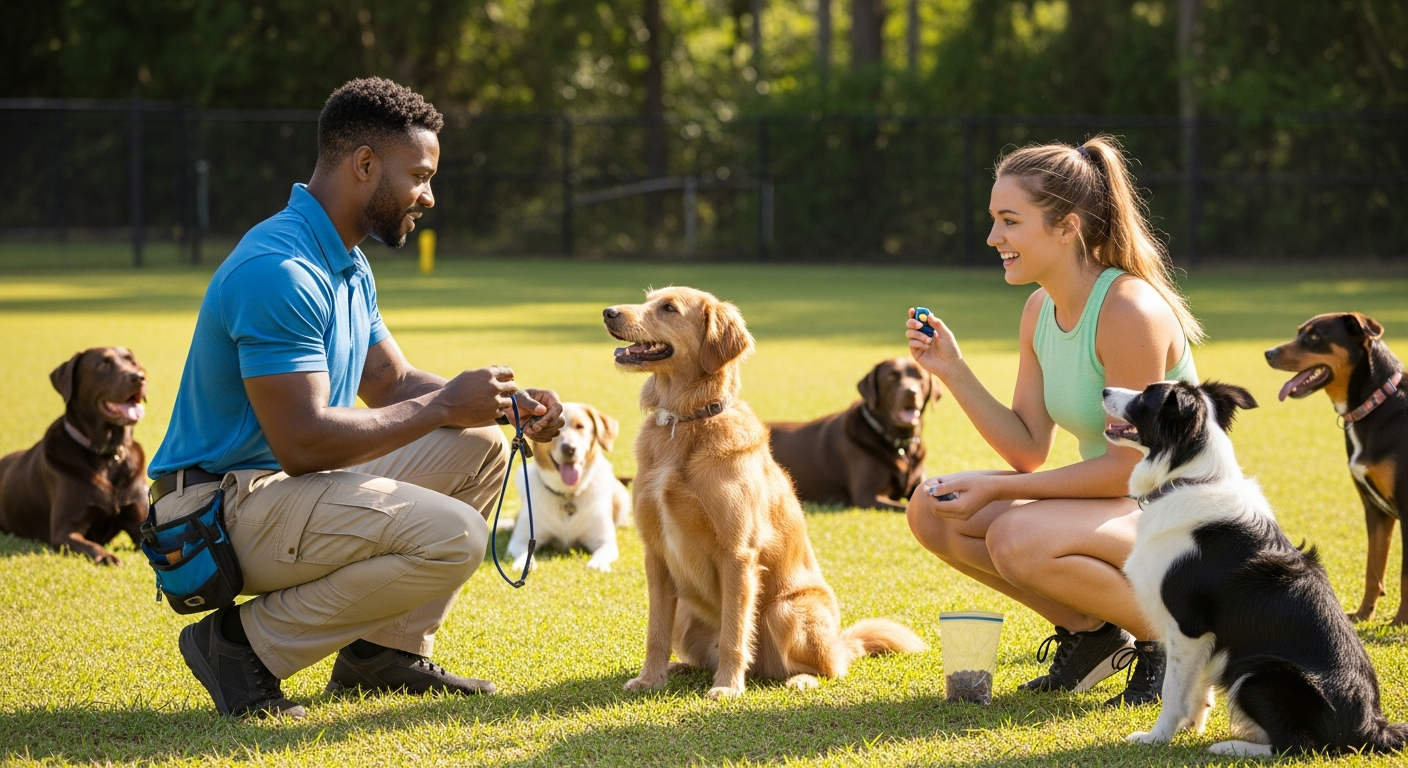
Key Takeaways
- Orlando dog parks like Lake Baldwin Park, Dr. Phillips Dog Park, and Meadow Woods Dog Park offer ideal training environments with different features that support various skill levels and training goals.
- Dogs must master basic commands at home and have proper vaccinations before attempting training in public dog parks to ensure safety and success.
- Professional training techniques include starting during off-peak hours, using high-value rewards, maintaining calm leadership, and gradually increasing distractions for optimal results.
- Proper dog park etiquette and knowing when to seek professional guidance can transform challenging park visits into productive training sessions.
Orlando's numerous dog parks present excellent opportunities for dog owners to practice training skills in real-world environments. These public spaces offer the perfect combination of controlled settings and natural distractions that help dogs generalize their learned behaviors beyond the home environment.
Why Orlando's Dog Parks Are Perfect Training Grounds
Orlando's climate and community culture create ideal conditions for year-round dog park training. The city's numerous well-maintained facilities provide varying levels of challenge and environmental stimulation that support progressive training goals. Unlike indoor training facilities, dog parks expose dogs to authentic distractions including other animals, unfamiliar people, interesting scents, and changing weather conditions.
These natural environments help dogs develop real-world obedience skills that transfer effectively to everyday situations. The open spaces allow for distance work and recall training that's impossible in smaller settings, while the presence of other dogs provides controlled socialization opportunities. Elite Professional Dog Training recognizes that successful park training requires understanding each location's unique characteristics and matching them to individual training objectives.
The variety of surfaces, from grass to concrete pathways, helps dogs become comfortable responding to commands regardless of their physical environment. This environmental diversity builds confidence and reliability in trained behaviors, making park sessions valuable supplements to structured training programs.
Top Orlando Dog Parks for Successful Training Sessions
Lake Baldwin Park in Winter Park: Large Space for Advanced Commands (Personal Practice Only)
Lake Baldwin Park offers expansive off-leash areas perfect for practicing long-distance recalls and advanced commands. The park's large size allows dogs to work at significant distances from their handlers while remaining safely contained within fenced boundaries. The lakeside location provides natural barriers and interesting but controlled distractions.
The open layout makes this location ideal for dogs who have mastered basic obedience and are ready for more challenging distance work. Early morning visits typically offer the most peaceful training environment, with fewer distractions and cooler temperatures. The park's well-maintained grass areas provide excellent footing for running recalls and directional commands.
Dr. Phillips Dog Park: Controlled Environment with Separate Areas
Dr. Phillips Dog Park features separate sections for large and small dogs, creating more controlled training environments. This separation reduces overwhelming stimulation and allows handlers to choose appropriate challenge levels based on their dog's size and temperament. The smaller enclosed areas make it easier to maintain focus during training sessions.
The park includes seating areas where handlers can observe and direct training from various positions, though shade within the immediate play areas may be limited during hot days. The park features a generally well-maintained environment with both grass and dirt surfaces, and a regular cleaning schedule contributes to a pleasant training environment.
Meadow Woods Dog Park: Agility Equipment and Training Features
Meadow Woods Dog Park stands out for its integrated agility equipment and training-specific features. The facility includes obstacles, ramps, and platforms that support physical conditioning and mental stimulation during training sessions. These features allow handlers to incorporate structured activities beyond basic obedience work.
The park's layout includes both open areas for running and more structured zones with equipment, providing training variety within a single location. The combination of mental and physical challenges available here makes it particularly valuable for high-energy dogs who need both exercise and training sessions.
Prerequisites Before Park Training
Master Basic Commands at Home First
Successful park training requires a solid foundation of basic obedience commands practiced and perfected in low-distraction environments. Dogs should reliably respond to sit, stay, come, and down commands at home before attempting these behaviors around other dogs and people. The excitement and stimulation of dog parks can overwhelm dogs who haven't thoroughly learned basic responses.
Home practice should include proofing commands around mild distractions like family activities, doorbell rings, and outdoor sounds. This gradual increase in difficulty prepares dogs for the more intense stimulation they'll encounter at dog parks. Handlers should be able to regain their dog's attention quickly using their name or a attention command before venturing into public spaces.
Ensure Proper Vaccinations and Socialization
All dogs must be current on vaccinations including rabies, distemper, and Bordetella before entering public dog areas. Park training should only begin after dogs have completed their full puppy vaccination series and received veterinary clearance for public interaction. Additionally, dogs need basic socialization experience with other dogs in controlled settings.
Well-socialized dogs display calm, confident body language around unfamiliar dogs and people. Dogs showing fear-based or aggressive reactions to other dogs should receive professional behavioral assistance before attempting park training. Proper preparation protects both the training dog and other park users from negative interactions.
Professional Training Techniques for Dog Parks
1. Start During Off-Peak Hours
Beginning park training during quieter periods allows dogs to acclimate to the environment without overwhelming stimulation. Early morning hours typically offer the most peaceful training conditions, with fewer dogs present and cooler temperatures. This reduced activity level makes it easier for dogs to focus on handler instructions and build positive associations with the park environment.
Gradual exposure during off-peak times builds confidence before introducing more challenging busy periods. As dogs demonstrate reliable responses during quiet times, handlers can slowly progress to training during more active periods. This systematic approach prevents overwhelm and sets dogs up for long-term success.
2. Use High-Value Treats and Positive Reinforcement
Park training requires more motivating rewards than home practice due to increased environmental distractions. High-value treats like small pieces of cooked chicken, cheese, or specialized training treats capture and maintain attention more effectively than standard kibble. The reward must be more interesting than the surrounding distractions to be effective.
Timing of reinforcement becomes critical in stimulating environments. Rewards should be delivered immediately when dogs display desired behaviors, creating clear connections between actions and consequences. Consistent positive reinforcement builds enthusiasm for training and strengthens the handler-dog relationship even in challenging settings.
3. Maintain Calm, Confident Leadership
Handler energy and body language significantly impact training success in dog parks. Calm, confident handlers help dogs feel secure and focused, while anxious or frustrated energy creates uncertainty and reactivity. Consistent, clear communication through voice tone and body positioning guides dogs through distracting situations.
Effective leaders anticipate potential challenges and redirect their dogs proactively rather than reactively. This might involve calling a dog away from an overstimulating interaction before problems develop or positioning themselves strategically to support their dog's focus. Patient, persistent leadership builds trust and reliability over time.
4. Practice Gradual Distraction Training
Successful park training involves systematically increasing distraction levels as dogs demonstrate competency. This might start with basic commands while other dogs are visible but at a distance, then gradually decreasing the distance as reliability improves. The goal is building consistent responses regardless of environmental stimulation.
Handlers should have realistic expectations and celebrate small improvements rather than expecting immediate perfection. Some dogs need multiple sessions to reliably respond to familiar commands in new environments. Patience during this process creates lasting results and prevents frustration for both dog and handler.
Dog Park Etiquette That Supports Training Success
Supervise Closely and Intervene When Necessary
Responsible park training requires constant supervision and willingness to intervene when situations become counterproductive. Handlers must watch for signs of overstimulation, fear, or inappropriate interactions that could undermine training progress. Quick intervention prevents negative experiences that can create lasting behavioral issues.
Effective supervision includes monitoring both your own dog and the general park environment. This awareness allows handlers to remove their dogs from situations before problems escalate or redirect attention when distractions become too intense. Proactive management supports positive training outcomes and maintains safe conditions for all park users.
Respect Other Dogs' Space and Training Sessions
Successful park training depends on mutual respect among all users. This includes maintaining appropriate distances from other dogs who may be working on training exercises and avoiding interference with ongoing training sessions. Understanding that some dogs may be working on specific behavioral goals helps create supportive environments for everyone.
Courteous behavior includes controlling your dog around others who are training, cleaning up after your pet, and being willing to relocate if your dog's presence is disruptive to other training sessions. This community-minded approach benefits all park users and creates positive training environments.
When to Seek Professional Guidance for Park Training
Signs Your Dog Needs Expert Help
Several indicators suggest that professional assistance would benefit your park training efforts. Dogs showing consistent reactivity to other dogs, inability to focus despite high-value rewards, or aggressive responses to stimulation need specialized intervention. Additionally, handlers feeling overwhelmed or unable to manage their dog safely should seek professional support.
Other warning signs include dogs who become overstimulated to the point of exhaustion, display obsessive behaviors around other dogs, or show fear-based responses that don't improve with gradual exposure. These behavioral patterns often require specific modification techniques that trained professionals can provide.
Elite Professional Dog Training's Lake Mary/Sanford Facility Programs
Professional training programs offer structured approaches to developing park-ready skills in controlled environments before transitioning to public spaces. These programs typically address foundational obedience, distraction training, and socialization in systematic progressions that build confidence and reliability.
Experienced trainers can identify specific behavioral challenges and develop customized training plans that address individual needs. This professional guidance often accelerates progress and prevents the development of problematic behaviors that can emerge from unsupported park training attempts.
Transform Your Dog Into a Well-Behaved Park Companion
Orlando's dog parks offer valuable opportunities for practicing and reinforcing training skills in real-world environments. Success requires proper preparation, appropriate techniques, and realistic expectations about the gradual nature of behavioral development. Dogs who master park training become more confident, well-socialized companions capable of enjoying public spaces safely.
The combination of structured training approaches and consistent practice in varied environments creates dogs who respond reliably regardless of distractions. This reliability strengthens the human-dog relationship and opens up more opportunities for shared activities and adventures throughout Central Florida.
Every dog progresses at their own pace, and celebrating small improvements builds momentum toward larger training goals. With patience, consistency, and appropriate support, most dogs can learn to be excellent park companions who enrich the experience for everyone.
For expert guidance in developing your dog's park training skills and overall obedience, Elite Professional Dog Training offers specialized programs designed to create confident, well-behaved companions.
Elite Professional Dog Training
City: Sanford
Address: 5001 N Ronald Reagan Blvd
Website: https://eliteprodogtraining.com/


Comments
Post a Comment