Oral Fluid Drug Test: What It Detects & Detection Times For Workplace Screening
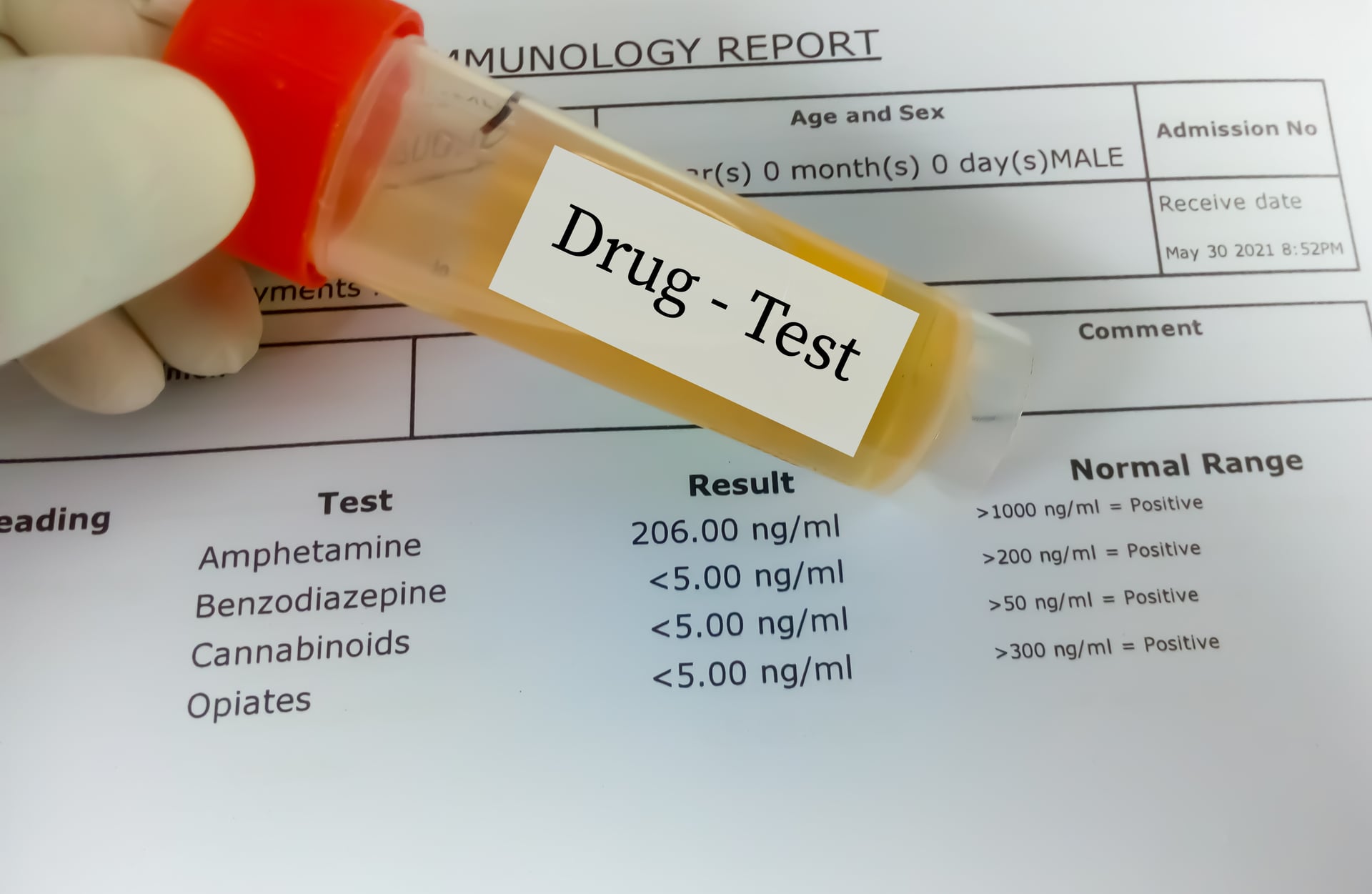
Law enforcement agencies across multiple states have expanded roadside saliva testing programs since 2024, marking a significant shift from traditional screening methods. However, the same narrow detection window that makes saliva testing attractive for identifying current impairment also creates blind spots that workplace safety directors and legal teams are only beginning to understand.
These blind spots stem from fundamental differences in how saliva testing works compared to traditional methods. Florida-based testing experts at 12 Panel Now explain that while urine tests catch drug use from one to four days prior and hair tests reach back ninety days, saliva testing focuses almost exclusively on what entered a person's system within the last two days.
Despite this limitation, some states, like Michigan, now conduct oral fluid testing at traffic stops under legislation aimed at reducing impaired driving incidents—a move reflecting growing confidence in a technology that promises faster results and harder-to-defeat collection procedures.
What Is Oral Fluid Drug Testing?
Oral fluid drug testing is a screening method that detects substances in saliva to identify the presence of drugs or alcohol in a person's system. The process uses a cotton swab, absorbent pad, or sponge attached to a small stick to collect saliva from inside the cheek or under the tongue. This approach has become increasingly popular because it provides immediate results without requiring private facilities or invasive procedures like blood draws.
The method works by analyzing saliva samples for traces of controlled substances or their metabolites, which are the byproducts the body creates when breaking down drugs. Oral swab testing can be conducted on-site at workplaces, accident scenes, or roadside locations, or samples can be sent to laboratories for more detailed analysis. The main advantage comes from the supervised collection process, where administrators watch the entire procedure, making it nearly impossible for candidates to substitute or tamper with samples as might occur during unsupervised urine collection.
What Oral Fluid Tests Actually Detect
Oral fluid testing can identify a wide range of commonly used substances, though the specific drugs tested depend on which panel the employer or testing facility orders. Most workplace screening programs use either five-panel or ten-panel tests that cover the substances employers worry about most. Specialized tests can also be used to check for additional drugs when specific concerns arise.
Standard five-panel screenings detect:
- Marijuana, staying detectable for up to three days after use
- Cocaine, remaining in saliva for roughly two days following consumption
- Amphetamines, including methamphetamine, lasting about two days
- Opiates like morphine, clearing from saliva within thirty-six hours
Extended ten-panel tests add:
- Benzodiazepines such as Xanax, detectable for approximately two days
- Barbiturates, showing up for similar two-day windows after last use
- Methadone, remaining in oral fluid for up to ten days
- Phencyclidine, commonly called PCP, lasting about two days
These tests also catch alcohol use within the past day and identify prescription medication misuse. Testing positive doesn't automatically prove illegal drug use since legitimate prescriptions trigger the same results, which is why medical review officers verify every non-negative test before reporting to employers. The testing capabilities extend beyond illegal substances to include prescription medications that might impair workplace performance or safety.
Understanding Detection Times for Each Substance
Saliva testing's narrow detection window represents both its greatest strength and most significant limitation for workplace screening programs. Most substances only show up for five to forty-eight hours after use, making these tests excellent at catching current impairment but nearly useless for detecting someone who stopped days earlier, which is why employers value this immediate detection for identifying right-now impairment rather than weekend drug use.
Different substances clear at dramatically different rates based on how the body processes them, creating a complex timeline for testers. Heroin metabolizes so fast that it only stays detectable for about one hour, while marijuana typically remains in saliva for up to three days, though heavy users test positive longer because THC accumulates in body tissues, and methadone stands out with detection windows stretching to ten days.
Metabolism, usage frequency, and consumption amount all affect how long substances remain detectable in oral fluid samples. Daily users test positive longer than one-time experimenters, and faster metabolisms clear substances more quickly than slower ones. The consumption method matters too because smoking marijuana deposits high THC concentrations directly in the mouth, creating strong positive results that fade rapidly over twelve hours compared to other ingestion methods.
How Marijuana Shows Up Differently in Saliva
THC presents unique challenges for oral fluid testing because of how cannabis consumption deposits the substance in the mouth. When someone smokes marijuana, extremely high concentrations appear immediately in oral fluid, far higher than what shows up in blood or other body fluids. These levels drop rapidly over the first few hours but can remain detectable for up to seventy-two hours, depending on usage patterns.
Evidence shows that passive cannabis exposure from nearby users typically clears from saliva within one hour of exposure. This means a positive saliva test for THC strongly indicates active cannabis use rather than just being around someone who smoked. The distinction matters for workplace testing because it helps separate actual users from people who happened to be in the wrong place.
Heavy cannabis users face longer detection windows because THC accumulates in body tissues and continues to be released into saliva even after they stop smoking. Someone who uses marijuana daily might test positive for three full days, while occasional users often clear the substance within twenty-four hours. This variability makes it harder to predict exact detection times compared to substances like cocaine that follow more consistent patterns.
The Confusion Around Test Timing Creates Workplace Challenges
People often assume all drug tests work the same way, but that couldn't be further from the truth. Saliva tests catch what's currently in a person's system, while urine tests reveal what passed through days or even weeks ago. This creates situations where someone passes one test type but fails another on the exact same day.
The short detection window means timing becomes everything in ways that don't apply to other screening methods. An accident investigation three days after an incident might completely miss substances that urine testing would easily catch. Meanwhile, candidates sometimes show up for testing hours after drug use, wrongly assuming the brief gap will keep them safe.
What Happens During Collection
The entire process takes just a few minutes and feels about as invasive as a throat check at a doctor's office. A collector uses a cotton swab or absorbent pad to gather saliva from inside the cheek or under the tongue. Test subjects need to avoid food, drinks, and mouthwash for ten minutes beforehand because these items interfere with accurate results.
Some tests analyze samples immediately using handheld devices that deliver answers within five to ten minutes. Others send specimens to laboratories where technicians conduct more thorough testing over one to three days. The on-site versions work perfectly for situations requiring quick decisions, though lab analysis typically catches substances at lower concentrations.
Real Accuracy Rates and What Affects Them
Oral fluid tests deliver roughly ninety-seven percent accuracy when conducted properly with quality devices and correct collection procedures. However, accuracy varies by substance, with cocaine and opioids showing up more reliably than marijuana at low concentrations. Laboratory confirmation testing increases accuracy significantly because lab equipment identifies substances at much lower levels than portable devices.
Several factors can throw off results and create false positives or negatives. Chewing gum or sucking candy dilutes drug concentrations by two to six times, potentially dropping levels below detection thresholds. Food residue, beverages, and mouthwash interfere with the chemical reactions these tests depend on, which explains that mandatory ten-minute waiting period.
The main accuracy advantage comes from supervised collection since someone watches the entire process. Candidates can't easily substitute or dilute samples as might occur during unsupervised urine collection, though blood tests remain most accurate overall despite their invasive nature and higher costs.
When This Testing Method Makes Sense
Post-accident investigations benefit enormously from identifying substances used within hours of an incident. Random workplace testing catches current drug use among employees, and the supervised collection makes cheating nearly impossible. Law enforcement has embraced roadside testing because officers can administer tests immediately without facility visits.
Pre-employment screening sometimes uses oral fluid when employers want fast results without needing to detect drug use from weeks earlier. Reasonable suspicion testing works well when supervisors notice impairment signs and need same-day confirmation or clearance. That said, limitations emerge when employers need to detect usage patterns over time.
Someone who stops using drugs three days before the scheduled screening will likely pass even as a regular user. Industries with strict safety requirements often prefer urine or hair testing despite oral collection advantages because they need broader detection windows.
Matching Testing Approach to Detection Needs
Selecting appropriate drug tests depends on what information employers actually need and which detection window serves specific purposes. Organizations focused on current impairment benefit most from oral fluid testing, while those concerned about longer-term patterns should consider urine or hair testing. Cost matters since oral swabs typically run less expensive than hair tests, and result speed might justify higher prices when fast decisions count.
Testing providers offer various panel options and collection methods to match different needs and compliance requirements. Technology keeps improving with more accurate devices and faster laboratory confirmation, while costs generally trend downward as the method becomes more common. Understanding detection windows and test limitations helps organizations build screening programs aligned with actual workplace safety goals rather than assumptions about how drug testing works.
12 Panel Now
City: Boynton Beach
Address: 801 N Congress Ave. Ste 101 Boynton Beach FL 33426
Website: https://12panelnow.com
Phone: +1 561 897 9238
Email: thestaff@12panelnow.com


Comments
Post a Comment