Microcurrent Therapy For Pain Relief: What Conditions Is FSM Therapy Used For?
What Actually Is Microcurrent Therapy?
If you've heard about microcurrent therapy but aren't quite sure what it does, you're in the right place!
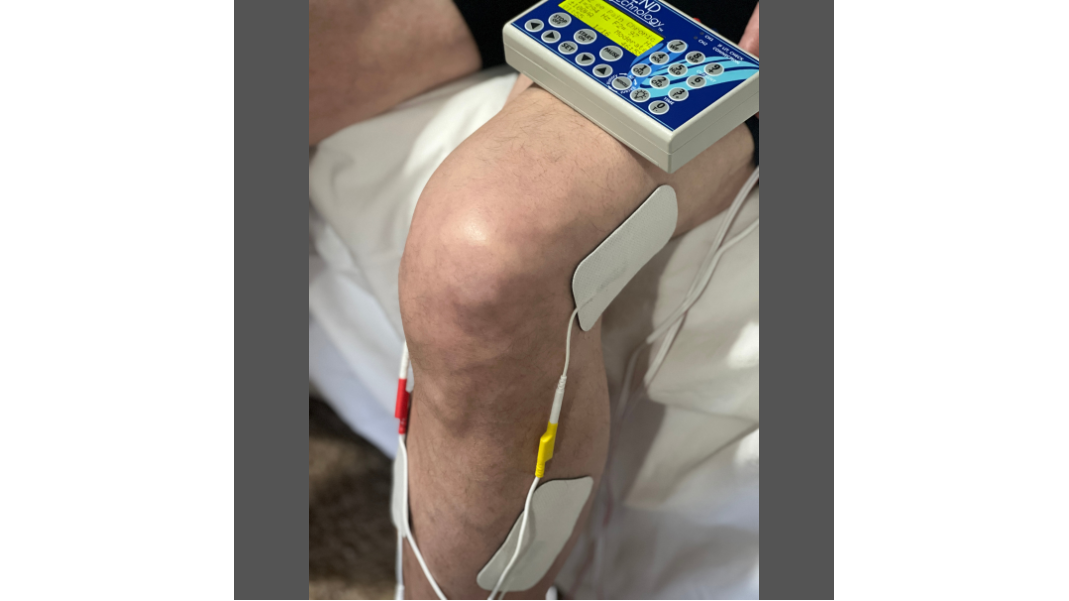
Here's a breakdown of the facts: FSM treatment involves applying extremely low electrical currents to your body, usually through pads or probes placed on your skin. We're talking about currents measured in microamps, which is about one-millionth of an ampere. You typically won't even feel it working, yet the effects at the cellular level can be significant.
How It Differs From Other Electrical Treatments
You might be familiar with TENS units, which deliver much stronger currents that you can actually feel tingling on your skin. Frequency Specific Microcurrent therapy works differently because it operates at the same electrical level your body naturally produces. Instead of just blocking pain signals, it appears to support your body's own healing processes by boosting cellular energy production and reducing inflammation at the source.
Conditions That Respond Well To Treatment
Research shows microcurrent therapy can address a surprisingly wide range of pain conditions. Chronic back pain, neck pain, and shoulder issues often respond well, and athletic injuries, both acute and chronic, are some other common targets. Knee pain from arthritis or old injuries frequently improves with consistent sessions. Some practitioners also report success with fibromyalgia, nerve pain, post-concussion symptoms, and lingering pain from old trauma.
What The Research Actually Shows
A 2021 systematic review found that microcurrent therapy significantly improved shoulder pain and knee pain when compared to placebo or pseudoscience-based treatments, with no serious side effects reported. The research highlighted clinically meaningful benefits for musculoskeletal pain, suggesting it deserves consideration as a drug-free treatment option. While more studies are always helpful, the existing evidence points to real therapeutic potential.
Why Frequency Specific Microcurrent Is Different
Regular microcurrent is useful, but frequency specific microcurrent takes things further by pairing specific electrical frequencies with specific tissues and conditions. Think of it like tuning a radio to the right station. Certain frequencies seem to resonate better with nerve tissue, while others work more effectively on muscles or fascia. This precision allows practitioners to target exactly what's causing your pain rather than taking a general approach.
What Practitioners Should Know
For clinicians considering adding this to their practice, proper training makes all the difference. Understanding which frequencies work for which conditions, how to assess patients effectively, and what protocols produce consistent results requires structured education. Many practitioners find that once they master the fundamentals, they can achieve outcomes with difficult cases that previously resisted conventional treatments.
Is This Right For You?
Whether you're a patient exploring options or a practitioner evaluating new treatment modalities, microcurrent therapy offers a gentle approach worth considering. It's non-invasive, typically painless, and backed by growing research. Not everyone responds the same way, but for chronic pain that hasn't improved with other methods, it might provide the relief you've been seeking.
Frequencies that MEND
City: Jacksonville
Address: 8227 Mar Del Plata Street East
Website: https://frequenciesthatmend.com
Phone: +1-904-233-2463


Comments
Post a Comment