Is The Moog One Worth It For Music Production? Experts Break It Down
Key Takeaways
- The Moog One's 73 knobs and 144 buttons create a hands-on workflow that changes how producers approach sound design.
- Physical control interfaces facilitate creative discoveries that are less common with software-only production methods.
- Hardware limitations can encourage creative commitment, leading to more decisive and character-rich musical decisions.
- The synthesizer's industrial design optimizes user experience through intuitive layouts and smart LCD integration.
- Modern MIDI integration supports hybrid workflows that combine hardware and software production.
Electronic music production has evolved dramatically over the past decade, yet something fundamental gets lost when everything moves into the digital realm. The tactile connection between musician and instrument (that immediate physical feedback loop) disappears behind mouse clicks and menu diving. This disconnect has sparked renewed interest in hardware synthesizers that prioritize direct, hands-on control over endless digital possibilities.
73 Knobs and 144 Buttons Enhance Sound Design
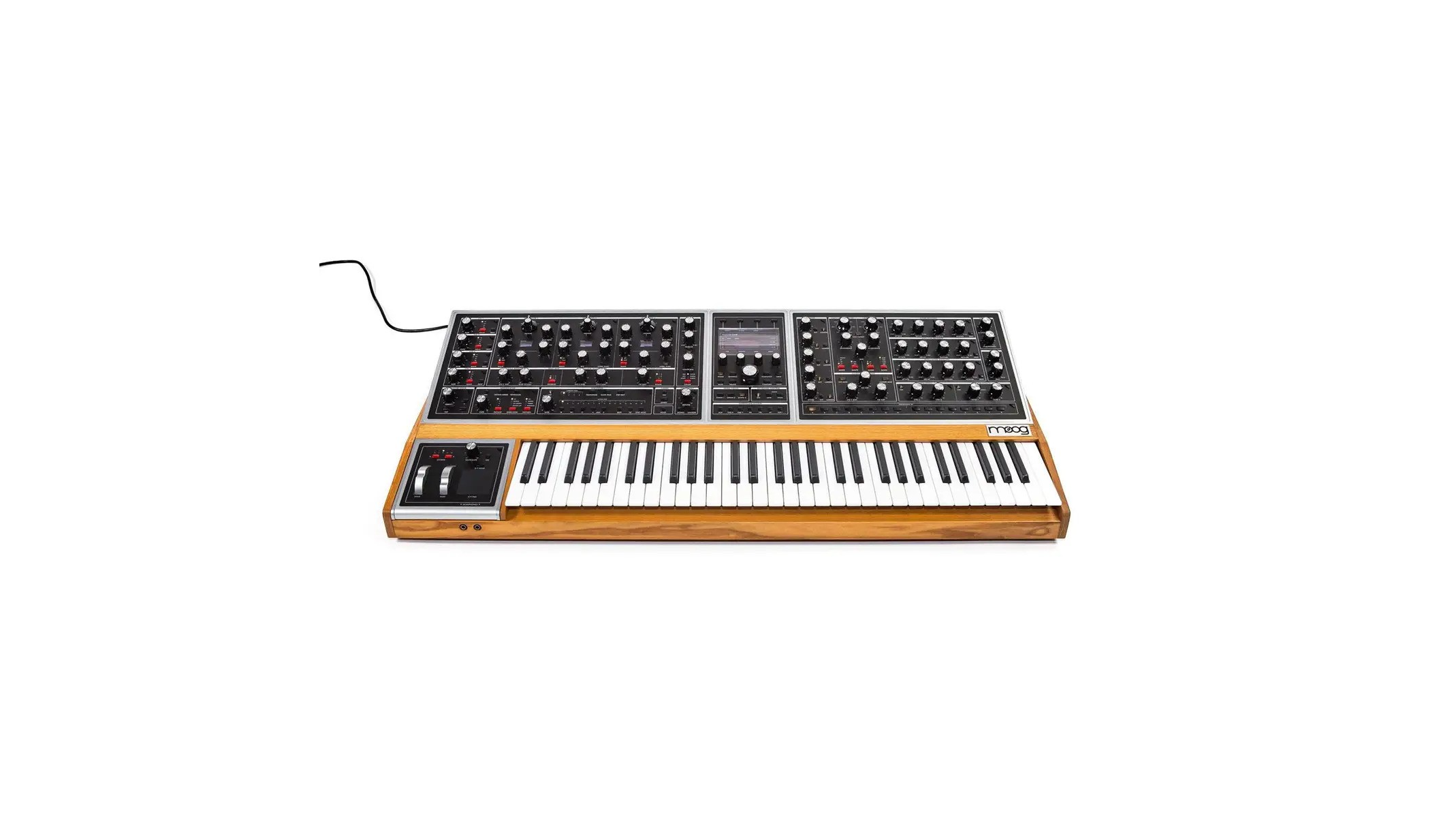
The front panel of the Moog One tells a story about intentional design philosophy. Every knob, button, and control surface serves a specific purpose in creating an unmediated connection between the producer and their sound. So, this isn't about cramming maximum functionality into minimum space. It's about optimizing the creative process. All of it.
When 73 knobs and 144 buttons work in harmony, they eliminate the barrier between musical inspiration and sonic realization. Each control responds immediately to touch, providing instant feedback that software interfaces can't match. This physical immediacy fundamentally changes how sound design unfolds, moving from a methodical programming exercise to an intuitive sculptural process. Retailers like Sam Ash offer the Moog One 16-Voice Synthesizer, which embodies this philosophy.
Direct Control Creates Immediate Musical Connection
1. Hands-On Interface Sparks Creative Discovery
Physical knobs invite experimentation in ways that digital interfaces can't. The act of reaching for a filter cutoff knob while simultaneously adjusting resonance with the other hand creates musical moments that emerge organically from the interaction itself. This simultaneous multi-parameter control leads to discoveries that methodical, one-parameter-at-a-time software editing rarely produces.
Users consistently report that the combination of manual knobs and buttons alongside the large LCD screen creates an intuitive workflow that feels natural from the first session. The tactile feedback provides immediate confirmation of parameter changes, while the visual feedback from the screen offers precision when needed. This dual-mode interaction bridges the gap between instinctive play and technical precision.
2. X/Y Pressure Pad Adds Dynamic Expression
The pressure-sensitive X/Y pad transforms static sounds into dynamic, expressive performances. Touch intensity directly influences sound parameters, creating a direct physical connection between the producer's emotional expression and the sonic output. This pressure sensitivity adds a human element - the subtle variations in touch pressure create organic modulation patterns that breathe life into electronic sounds.
3. Panel Focus Simplifies Complex Layering
Complex polyphonic layering is often overwhelming when managed through software menus. The panel focus feature allows independent or simultaneous modification of each of the three timbres, streamlining the editing process for intricate layered sounds. This approach turns what could be a tedious programming exercise into an immediate creative process where changes happen in real-time across multiple layers.
Hardware Limitations Drive Creative Commitment
Record-and-Move-On Workflow
Hardware synthesizers can encourage decisive creative choices that software environments often discourage. With limited outputs and real-time processing requirements, producers tend to commit to their sounds and performances in ways that "fix it in the mix" mentality rarely demands. At the same time, though, this constraint liberates creativity by removing the paralysis that comes with infinite options.
The record-and-move-on approach prevents the endless tweaking cycles that plague many software-based productions. Once a part is recorded, it becomes a fixed creative choice that shapes the rest of the composition. This workflow mirrors the creative constraints that produced many classic recordings, where limitations sparked innovative solutions rather than hindering the creative process.
Physical Components Add Character
The Moog One is an analog synthesizer, and its analog components (oscillators, filters, and signal paths) contribute to a unique character that's challenging to emulate in software. As mentioned, these subtle variations add the human element that perfectly calculated digital processing lacks. The slight differences in component tolerances, temperature-dependent behaviors, and aging characteristics create unique sonic fingerprints that make each hardware unit unique.
Industrial Design Optimizes User Experience
Intuitive Layout Reduces Learning Curve
The industrial design incorporates balanced proportions and an inclined user interface with custom-made controls, creating an immediately accessible workspace. The mix of real wood and metal elements provides both aesthetic appeal and practical benefits - the materials offer tactile feedback that helps users navigate controls by feel during performance.
The design philosophy emphasizes making users comfortable with front-panel knobs and buttons before requiring deeper menu navigation. This layered approach to complexity means that basic synthesis operations stay immediately accessible, while advanced features reveal themselves gradually as users become more familiar with the instrument.
LCD Screen Extends Control Without Clutter
Extended functionality accessed via 'More' buttons per module brings additional parameters into focus on the center-panel LCD without cluttering the physical interface. This approach maintains the immediacy of hardware control while providing access to deeper parameter sets when needed. The LCD integration feels natural rather than forced, extending the physical interface rather than replacing it.
Modern Production Integration Through MIDI
1. MIDI Implementation Enables Automation
Modern hardware synthesizers bridge the gap between hands-on control and digital production requirements through sophisticated MIDI implementation. MIDI implementation allows producers to automate hardware parameters within their DAW environments, enabling complex parameter movements that combine the character of hardware with the precision of digital automation, though some users have noted challenges with the overview of MIDI CC automation without a dedicated plugin.
2. Hybrid Workflow Combines Best of Both Worlds
The most effective modern production workflows combine hardware character with software convenience. Hardware provides the immediate creative spark and unique sonic character, while software handles the detailed editing, arrangement, and final production tasks. This hybrid approach leverages the strengths of both domains rather than forcing an either-or choice between hardware and software production methods, though some users have reported challenges with MIDI sync and automation overview.
Physical Control Workflow Delivers Superior Sound Sculpting Results
The physical control workflow turns sound design from a technical exercise into an intuitive, musical process. When tactile feedback combines with immediate sonic response, producers develop a more intimate relationship with their sounds that goes way beyond simple parameter adjustment. And this connection often leads to sonic territories that systematic software programming rarely discovers.
The workflow flows naturally for both sound design and songwriting, particularly when starting from an initial patch and building upon basic synthesis knowledge. The immediate feedback loop between physical gesture and sonic result creates a creative momentum that keeps ideas flowing rather than interrupting them with technical obstacles. This seamless interaction between producer and instrument often results in more musically compelling and emotionally engaging electronic music.
For professional and aspiring electronic music producers seeking the perfect balance of hands-on creativity and modern production integration, companies like Sam Ash stock an extensive selection of professional synthesizers and electronic music equipment to elevate your sound design workflow.
Sam Ash
City: Hicksville
Address: 278 Duffy Ave
Website: https://www.samash.com/


Comments
Post a Comment