How To Reset a Circuit Breaker: 3 Simple Steps & Safety Tips
Key Takeaways
- Circuit breakers typically trip due to three main causes: overloaded circuits from too many devices, short circuits from faulty wiring, or ground faults creating dangerous electrical paths.
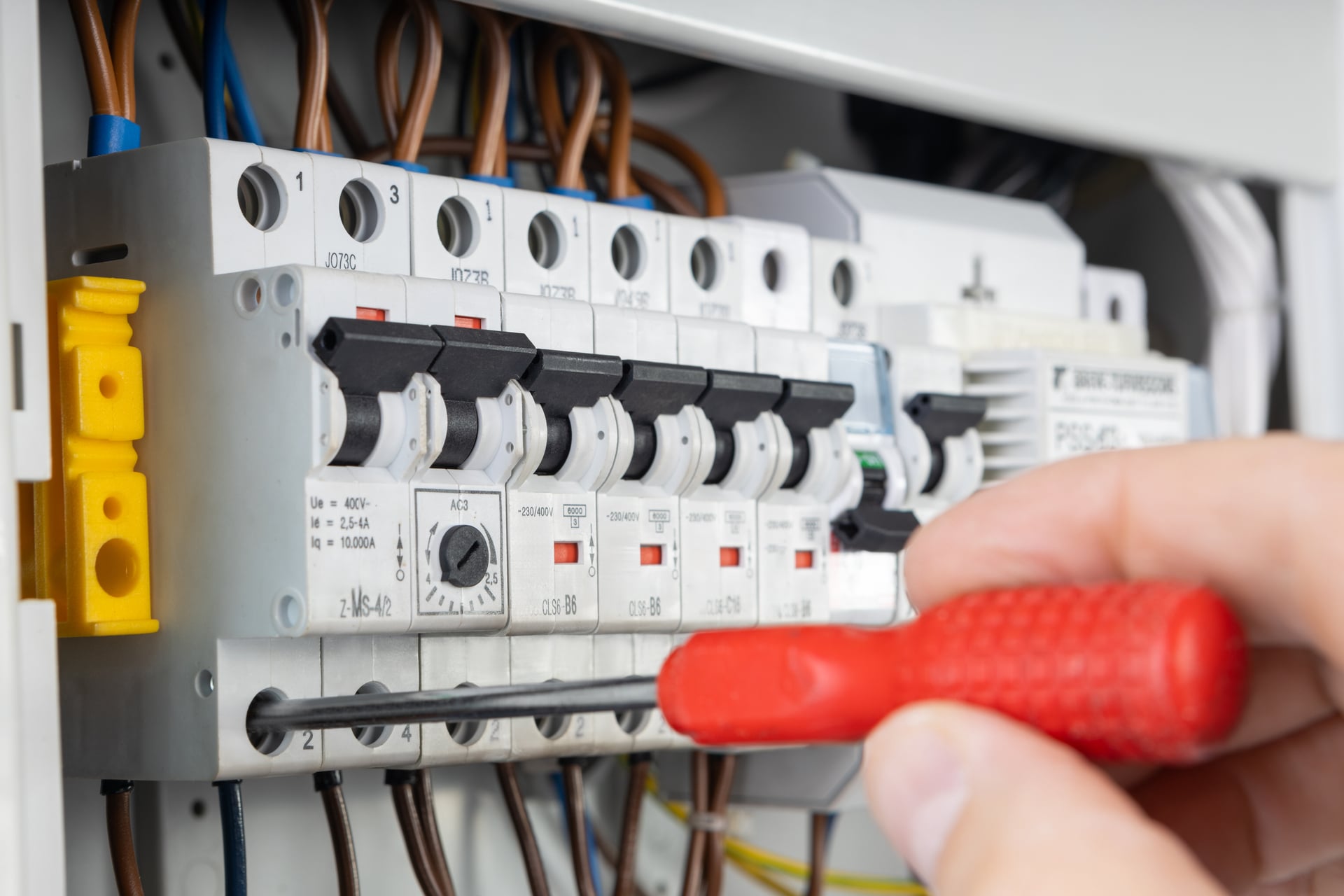
- Resetting a tripped breaker involves three simple steps: turn off all connected devices, flip the breaker fully to OFF position, then move it to ON.
- If a circuit breaker trips immediately after reset or shows warning signs like burning smells, it signals serious electrical problems requiring professional inspection.
- Proper electrical safety practices can prevent nearly 32,620 annual home fires caused by electrical distribution equipment, protecting families and property.
- Homeowners should know when DIY troubleshooting ends and professional electrical service begins for safety and code compliance.
When the lights suddenly go out in part of a home, the culprit is usually a tripped circuit breaker. Understanding how to safely reset these protective devices can restore power quickly and help homeowners identify when they need professional help. Circuit breakers serve as crucial safety mechanisms, automatically cutting power when electrical problems threaten home safety.
Circuit Breaker Reset: 3 Simple Steps to Restore Power Safely
Resetting a tripped circuit breaker is straightforward when done correctly. The process requires careful attention to safety and proper technique to avoid electrical hazards or equipment damage.
Step 1: Turn Off All Connected Devices Before touching any electrical panel components, unplug all appliances and turn off light switches on the affected circuit. This step prevents power surges when the breaker resets and reduces the electrical load that may have caused the initial trip.
Step 2: Locate and Identify the Tripped Breaker Open the electrical panel cover and look for a breaker switch that appears different from the others. Tripped breakers typically rest in a middle position between ON and OFF, or they may be fully in the OFF position. The tripped breaker often feels loose or "springy" compared to functioning breakers.
Step 3: Reset the Breaker Properly First, push the breaker switch firmly to the OFF position until it clicks into place. This action resets the internal mechanism. Then, flip the switch to the ON position. If the breaker holds in the ON position, power should be restored to the circuit.
Knowledge of electrics and how they work is not a skill that most homeowners have. This has led several electrical experts to provide detailed resources and guidance on circuit breaker troubleshooting, including when to seek professional help, for homeowners facing electrical issues.
Why Circuit Breakers Trip in Homes
Understanding the root causes of tripped breakers helps homeowners prevent future occurrences and identify when professional electrical service is necessary. Electrical experts say that these three primary issues cause most residential circuit breaker trips.
1. Overloaded Circuits - Too Many Devices
Circuit overloads occur when electrical demand exceeds the circuit's capacity. A typical 20-amp kitchen circuit can handle about 2,400 watts of power. Running a 1,500-watt microwave, 1,200-watt coffee maker, and 800-watt toaster simultaneously draws 3,500 watts - well beyond the circuit's safe capacity.
Birmingham homes, especially older properties, often have fewer circuits than modern electrical demands require. Residents may unknowingly overload circuits by plugging multiple high-wattage appliances into the same electrical branch. The solution involves redistributing electrical loads across different circuits or upgrading the electrical system.
2. Short Circuits - Hot Wire Contact
Short circuits create dangerous conditions where electrical current bypasses its intended path. This happens when a "hot" wire touches a neutral wire or another hot wire due to damaged insulation, loose connections, or faulty electrical devices.
Unlike overloads that develop gradually, short circuits cause immediate breaker trips. The sudden surge of uncontrolled electrical current can generate extreme heat, sparks, and potential fire hazards. Short circuits require immediate professional attention, as they often indicate serious wiring problems hidden within walls or electrical boxes.
3. Ground Faults - Unintended Electrical Path
Ground faults occur when electricity travels through an unintended path, such as through water, metal fixtures, or even people. These faults are particularly dangerous because they can cause electrocution if someone becomes part of the electrical path to ground.
Modern homes include Ground Fault Circuit Interrupter (GFCI) outlets in bathrooms, kitchens, and outdoor areas specifically to prevent ground fault injuries. When these protective devices aren't present or functioning properly, the main circuit breaker may trip to prevent dangerous electrical conditions.
When Circuit Breaker Problems Signal Serious Electrical Issues
While occasional breaker trips from overloaded holiday decorations or temporarily using too many appliances are normal, certain patterns indicate serious electrical problems requiring professional evaluation.
Immediate Reset After Tripping
Circuit breakers that trip immediately upon reset signal dangerous electrical faults. This behavior typically indicates short circuits or ground faults that pose fire and electrocution risks. Attempting repeated resets can damage electrical equipment and create safety hazards.
When breakers won't stay reset, homeowners should leave the breaker in the OFF position and contact qualified electrical technicians. Professional electricians have specialized equipment to safely diagnose and repair dangerous electrical faults that cause immediate tripping.
Burning Smells and Visual Warning Signs
Electrical problems often produce distinct warning signs before causing major damage. Burning odors, especially plastic or electrical insulation smells, indicate overheating components that can ignite surrounding materials.
Visual warning signs include discolored outlets or switch plates, scorch marks around electrical fixtures, and sparks when plugging in devices. These symptoms suggest dangerous electrical conditions requiring immediate professional attention. Homeowners should turn off affected circuits and avoid using damaged electrical components until repairs are completed.
Frequent Tripping Patterns
Circuit breakers that trip repeatedly, even with normal electrical loads, indicate deteriorating electrical components or inadequate electrical capacity. Aging breakers may lose their ability to handle rated electrical loads, while undersized circuits can't meet modern electrical demands.
Frequent tripping patterns often develop gradually as electrical systems age or household electrical needs increase. Professional electrical evaluation can determine whether breaker replacement, circuit upgrades, or electrical panel improvements are necessary to ensure safe, reliable electrical service.
National Electrical Safety: Preventing Electrical Distribution Fires
According to the National Fire Protection Association's 2015-2019 data, electrical distribution and lighting equipment caused an estimated average of 32,620 home fires annually, resulting in 430 civilian deaths, 1,070 civilian injuries, and $1.3 billion in direct property damage each year. These statistics underscore the importance of proper electrical safety practices in Birmingham homes.
1. Avoid Overloading Outlets
Electrical outlets are designed for specific electrical loads, and exceeding these limits creates fire hazards. Using multiple extension cords, power strips, or plug adapters in a single outlet can exceed the circuit's safe capacity even when individual devices seem small.
Modern electrical safety standards recommend limiting outlet usage to the circuit's intended capacity. High-wattage appliances like space heaters, vacuum cleaners, and kitchen appliances should plug directly into wall outlets rather than extension cords or power strips.
2. Proper Extension Cord Usage
Extension cords are designed for temporary electrical connections, not permanent installation. Running extension cords under carpets, through walls, or across high-traffic areas creates dangerous conditions where damaged insulation can cause electrical fires.
Proper extension cord safety involves using appropriate wire gauges for electrical loads, avoiding "daisy-chaining" multiple cords together, and replacing damaged cords immediately. Homeowners needing permanent electrical connections should install additional outlets rather than relying on extension cords.
Circuit Breakers & Electrical Safety In The Home
Homeowners dealing with persistent electrical problems benefit from professional electrical services that address both immediate safety concerns and long-term electrical system reliability. Experienced electrical technicians can diagnose complex electrical faults that cause repeated breaker trips and recommend appropriate solutions.
Professional electrical services include detailed electrical system inspections, circuit breaker replacement, electrical panel upgrades, and safety improvements that meet current electrical codes.
Engle Services
City: Sylacauga
Address: 40300 U.S. 280
Website: https://engleservicesheatingandair.com/


Comments
Post a Comment