How to Qualify for Dental Implants: Key Factors That Determine Success
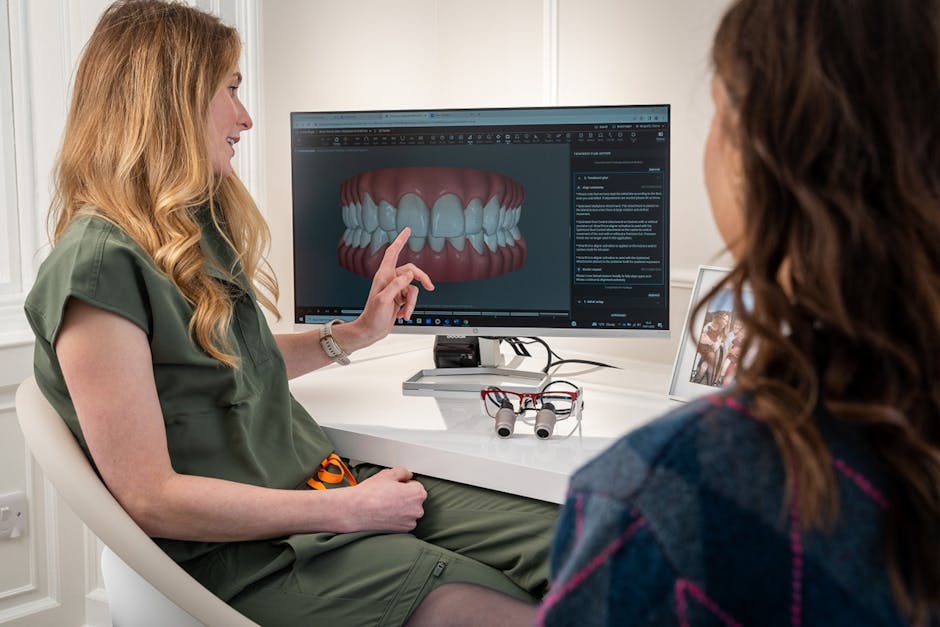
Dental implants are often described as a permanent solution for missing teeth, and in many cases, they are. Success rates are high, patient satisfaction is strong, and modern techniques have made implants more predictable than ever. Yet outcomes still vary. Two people can receive the same type of implant and experience very different long-term results. The difference usually has little to do with the implant itself and far more to do with the conditions surrounding it.
Understanding what actually determines implant success helps patients make better decisions and avoid treating the procedure as a one-size-fits-all fix. Dental implants work best when biology, planning, technique, and aftercare are aligned. When any one of those elements is overlooked, even well-placed implants can struggle over time.
Why implant success isn’t just about the implant
A dental implant is a titanium post designed to integrate with the jawbone and support a replacement tooth. The concept is straightforward, but the process relies on the body’s ability to heal, adapt, and maintain stability under daily forces like chewing and grinding. An implant does not succeed simply because it was placed. It succeeds because the surrounding conditions allow it to become part of the body’s structure.
This is why implant treatment begins long before surgery and continues well after it. The factors that matter most are often invisible to patients at first glance but play a decisive role in long-term outcomes.
Bone quality and jaw structure
Bone health is the foundation of every successful implant. The jawbone must be dense and stable enough to anchor the implant securely while it heals. When a tooth has been missing for a long time, the surrounding bone often shrinks due to lack of stimulation. This process, known as bone resorption, can limit where implants can be placed or whether they can be placed at all without additional preparation.
Modern imaging allows clinicians to evaluate bone volume, density, and structure in detail before treatment begins. This assessment helps determine implant size, position, and whether supportive procedures like bone grafting are needed. When bone conditions are addressed upfront, implant stability improves significantly. When they are assumed rather than measured, failure risk increases.
Overall oral health and gum condition
Healthy gums are just as important as healthy bone. Implants rely on surrounding soft tissue to form a protective seal that keeps bacteria away from deeper structures. If gum disease is present, that seal becomes vulnerable, allowing inflammation to compromise the implant over time.
Unlike natural teeth, implants do not have a periodontal ligament, which means they lack some of the body’s natural defense mechanisms. This makes good oral hygiene and gum health even more important after implant placement. Treating existing gum issues before surgery and maintaining consistent care afterward plays a direct role in long-term success.
Medical and lifestyle factors that influence healing
Healing capacity varies from person to person. Certain medical conditions can slow bone regeneration and tissue repair, affecting how well an implant integrates. Diabetes, for example, can influence healing when blood sugar is not well controlled. Smoking reduces blood flow and increases infection risk, making integration less predictable.
Medications, immune health, and overall nutrition also contribute. None of these factors automatically rule out implants, but they do influence planning and expectations. When they are openly discussed and managed as part of treatment, outcomes tend to be more stable and durable.
Treatment planning and diagnostic precision
Successful implant treatment is planned, not improvised. Digital imaging, bite analysis, and careful measurement allow clinicians to determine not just where an implant can go, but where it should go to support proper function over time.
Implant position affects how chewing forces are distributed. Poorly aligned implants may survive initially but experience stress that leads to bone loss or mechanical issues later. Thorough planning reduces these risks by aligning implant placement with the patient’s natural bite and jaw movement.
Precision at this stage often determines whether treatment feels straightforward or becomes complicated months or years down the line.
Implant materials and technology
Not all implant systems are identical. Differences in surface design, material quality, and manufacturing standards affect how implants bond with bone and how they perform under long-term load. Advances in implant technology have improved integration rates and reduced complications, particularly in complex cases.
Technology also plays a role beyond the implant itself. Digital workflows, guided surgery, and on-site crown fabrication can improve accuracy and efficiency when used appropriately. These tools support predictability, but they do not replace clinical judgment. Technology works best when it enhances careful planning rather than rushing treatment.
Surgical technique and clinical experience
Experience matters in implant dentistry because small decisions have long-term consequences. Surgical technique influences trauma to surrounding tissue, blood supply, and healing conditions. Gentle handling of bone and precise placement help preserve the biological environment implants depend on.
An experienced clinician also knows when not to proceed. Delaying placement, adjusting the plan, or recommending staged treatment can protect outcomes in cases where speed would compromise stability. Consistency and judgment often matter more than volume or marketing claims.
Post-procedure care and patient compliance
Implant success does not end when the procedure does. Healing continues for months as bone integrates with the implant surface. During this period, follow-up care, hygiene, and bite protection all influence results.
Patients who attend follow-up visits, maintain good oral hygiene, and follow guidance on chewing and cleaning tend to experience smoother healing. Neglecting these steps can introduce complications even when surgery was technically sound. Long-term maintenance remains important as well, since implants require ongoing care similar to natural teeth.
When dental implants may not be the best option
While implants are an excellent solution for many people, they are not always the right first step. In some cases, alternative treatments or staged approaches provide better long-term outcomes. Severe bone loss, uncontrolled medical conditions, or complex bite issues may call for preparation before implants are considered.
Viewing implants as one option among many, rather than a default solution, allows treatment to be tailored to individual needs. The most durable results often come from choosing the right timing and approach and not forcing a specific procedure.
Making an informed implant decision
Dental implants succeed when planning, biology, technique, and aftercare work together. The procedure itself is only one part of a larger process that begins with evaluation and continues through long-term maintenance.
Patients who understand these factors are better equipped to ask meaningful questions, set realistic expectations, and choose dental implant treatment plans that prioritize durability over speed. When implant decisions are made with this broader perspective, outcomes tend to be more predictable, functional, and lasting.
Clínica Dental la Campana
City: Marbella
Address: Calle Quevedo, Nº5, Portal 6,
Website: https://clinicadentalacampana.com/


Comments
Post a Comment