How To Get Veiny Forearms At Home: Expert Shares Dumbbell Exercises, Strategies
How Veins Get More Visible - And Why Men Want Them
The pursuit of visible forearm veins has become a legitimate fitness goal, with social media showcasing everything from Tour de France cyclists' extreme leg vascularity to bodybuilders' competition-ready definition.
The desire for impressive veins has led many fitness enthusiasts to focus on targeted forearm training. Strategic dumbbell exercises can effectively target the muscles that contribute to forearm vascularity, providing both functional strength and aesthetic benefits.
But this trend isn't just vanity. Experts like Men's Health continue to suggest that prominent veins can indicate a combination of low body fat and solid muscle development - in other words, signposting fitness at a glance.
The Science Behind Vascularity and Fitness
1. Low Body Fat Creates the Foundation
Low body fat percentages are crucial for vein visibility, with vascularity becoming noticeable around 15% body fat and more prominent at 10% or lower. Subcutaneous fat acts as a natural barrier, and as this layer thins, veins become increasingly prominent beneath the skin. This explains why bodybuilders achieve extreme vascularity during competition prep when body fat drops to single digits.
2. Muscle Mass Increases Blood Demand
Studies show a significant correlation between muscle mass and arterial diameter, with both muscle growth and physical activity contributing to vascular remodeling. As muscles expand, the heart works harder to meet increased oxygen demands, boosting cardiac output and creating higher blood pressure within the vascular system.
This increased blood flow creates what fitness experts describe as enhanced circulation at rest. Larger muscles maintain tension even during rest periods, providing resistance against venous return and causing blood to pool in surface veins, making them more prominent.
3. Enhanced Circulation Amplifies Visibility
Resistance training triggers immediate vascular changes that enhance vein visibility. During exercise, blood vessels expand to accommodate increased flow, while rising tissue temperature causes veins to dilate. This combination creates the temporary "pump" effect that makes veins appear dramatically more defined during and immediately after workouts.
Best Dumbbell Exercises for Forearm Development
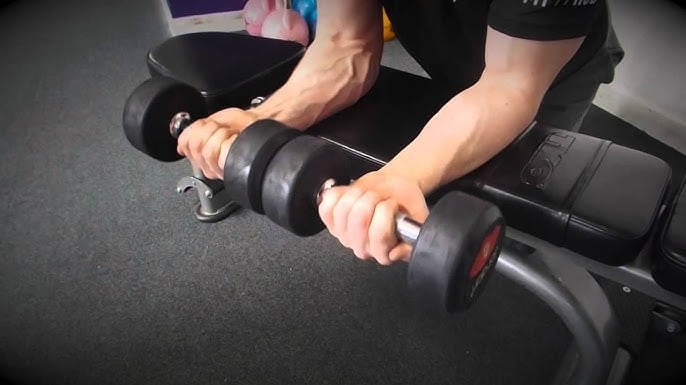
1. Palms-Up Wrist Curls for Flexor Muscle Mass
Palms-up wrist curls target the flexor muscles along the underside of the forearms, building mass in an area crucial for vein visibility. These muscles respond well to moderate weight and controlled movements, making them ideal for both strength and aesthetic development.
The exercise involves sitting with forearms resting on thighs, wrists extending beyond the knees. Using controlled movements, curl the weights upward using only wrist motion while keeping forearms stationary. This isolation ensures maximum muscle engagement and promotes the blood flow patterns that enhance vascularity over time.
2. Palms-Down Wrist Curls for Extensor Development
Palms-down wrist curls work the often-neglected extensor muscles on the top of the forearms. These smaller muscles contribute significantly to overall forearm development and help create balanced muscle growth that supports prominent vein patterns.
The technique mirrors palms-up curls but targets opposing muscle groups. Since extensor muscles are typically smaller and weaker, using lighter weights while maintaining strict form proves most effective. This approach prevents injury while still providing sufficient stimulus for growth and vascular development.
3. Finger Curls for Grip Strength and Muscle Growth
Finger curls represent an advanced technique for targeting the intricate muscles within the hands and forearms. This exercise involves allowing dumbbells to roll toward the fingertips before using finger strength to curl them back into the palms, engaging multiple small muscle groups simultaneously.
The movement pattern creates intense muscular engagement throughout the entire forearm complex. This stimulation promotes both functional grip strength and the muscle density that supports visible vascularity, making it a valuable addition to any forearm development program.
Proven Strategies to Enhance Vein Visibility
1. Reduce Body Fat Percentage
Achieving visible forearm veins requires strategic body fat reduction through combined cardiovascular exercise and nutritional planning. High-intensity interval training proves particularly effective, creating metabolic demands that promote fat loss while preserving muscle mass.
2. Optimize Hydration and Blood Flow
Proper hydration directly impacts vein visibility by increasing blood volume and making veins appear more prominent. Dehydration causes blood to thicken and veins to appear flattened, while adequate fluid intake helps veins "plump up" and become more accessible to visual observation.
3. Build Targeted Muscle Mass
Compound movements like deadlifts, pull-ups, and rows contribute significantly to overall forearm development while building the systemic muscle mass that supports enhanced vascularity. These exercises create significant grip demands that stimulate forearm growth as a secondary benefit.
Genetics and Individual Factors
Natural Variation in Vein Prominence
Genetic factors significantly influence individual vascularity patterns, with some people naturally displaying prominent veins regardless of fitness level. Skin thickness, vein size, and subcutaneous fat distribution all vary based on inherited characteristics that cannot be modified through training.
These genetic variations explain why some highly fit individuals may never achieve dramatic vein visibility, while others display prominent vascularity with minimal effort. Understanding this natural variation helps set realistic expectations and prevents frustration when individual results don't match social media representations.
Age-Related Changes in Vascularity
Aging naturally affects vein visibility through multiple mechanisms. Skin becomes thinner and loses elasticity over time, often making veins more prominent in older individuals. However, weakened vein valves and reduced circulation can also create unhealthy vascular patterns that differ from fitness-related vascularity.
Younger individuals may find it more challenging to achieve visible veins due to naturally thicker skin, which tends to thin with age, making veins more prominent in older individuals. This age-related difference emphasizes the importance of focusing on overall health markers rather than using vein visibility as the sole measure of fitness progress.
Achieve Defined Forearms Through Consistent Training
Building impressive forearm vascularity requires patience and systematic progression. Consistent training and dedication are required for noticeable improvements in vascularity, as this process often takes months or even years of dedicated effort. The key lies in combining targeted forearm exercises with overall body composition management.
Training frequency of 2-3 sessions per week allows adequate recovery while maintaining consistent stimulus for growth. Progressive overload remains vital, gradually increasing weight, repetitions, or training volume to continue driving adaptations. Tracking progress through photos and grip strength measurements helps maintain motivation during periods when visual changes occur slowly.
For optimal results, integrate forearm training into existing workout routines rather than treating it as an isolated pursuit. This approach ensures balanced development while supporting the compound movements that contribute to overall muscle mass and cardiovascular fitness. Remember that visible veins represent just one aspect of forearm development. Functional strength, endurance, and injury prevention should remain primary goals - and expert-backed gym equipment is built with each in mind.
SOLE Fitness
City: Salt Lake City
Address: 56 Exchange Pl.
Website: https://www.soletreadmills.com/


Comments
Post a Comment