How to Fix Uneven Home Temperatures: AL HVAC Technicians Discuss Options
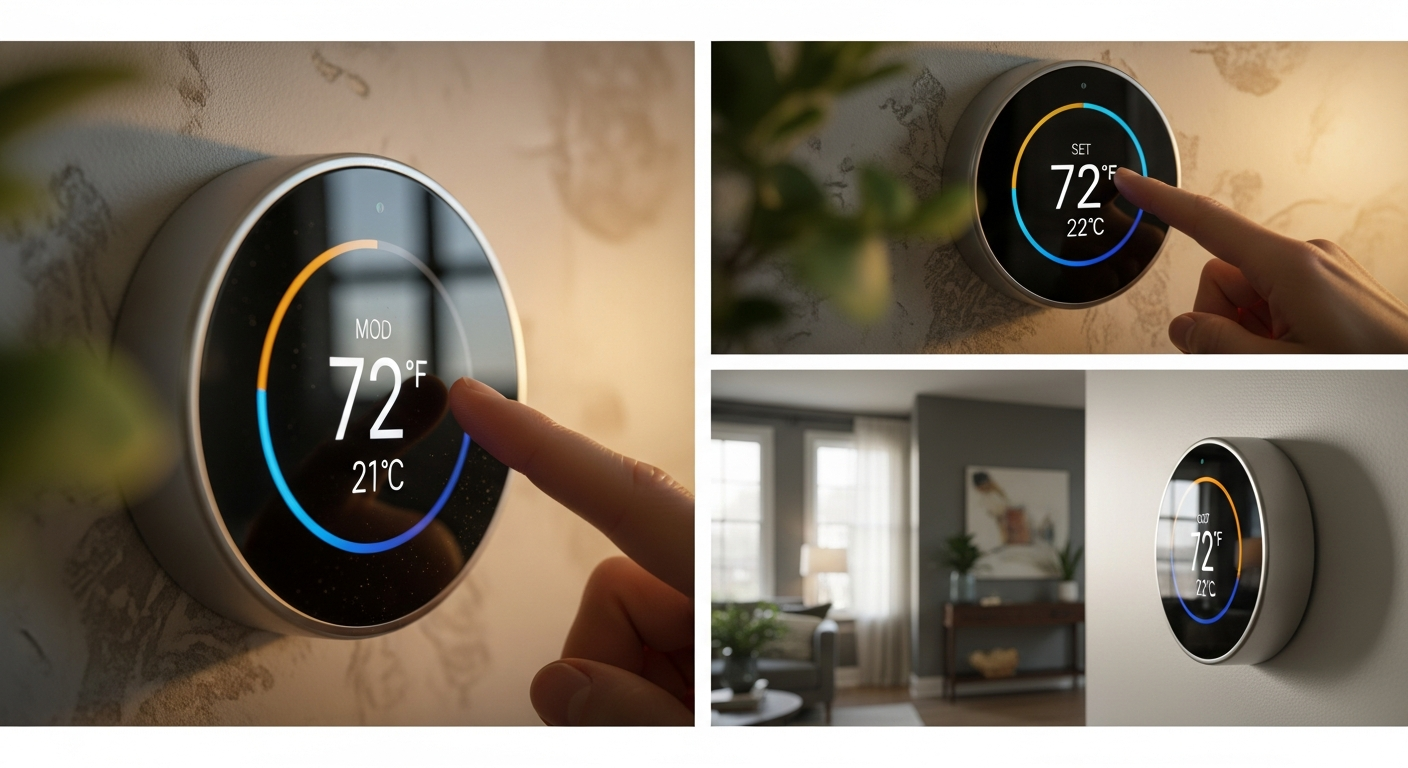
Temperature battles between family members and uncomfortable hot or cold spots throughout the home frustrate countless homeowners. HVAC technicians have observed how multi-level homes particularly struggle with these issues due to natural heat distribution patterns and varying architectural elements that create uneven climate zones. Yet, experts like PCMag are increasingly identifying smart thermostats and zoned comfort control pairings as an innovative solution for 2026 and beyond.
Why Multi-Level Homes Stay Uncomfortably Uneven
Heat naturally rises, causing upper floors to become significantly warmer than main living areas while basements remain perpetually cool. This fundamental physics principle drives the most common complaint among two-story homeowners: upstairs bedrooms that feel like saunas while downstairs is still comfortable.
Beyond natural heat movement, several architectural factors compound temperature variations. Large windows facing south absorb intense sunlight, creating hot zones during peak daylight hours. Vaulted ceilings trap warm air near the ceiling, leaving floor-level spaces cooler than desired. Finished basements, bonus rooms over garages, and rooms with expansive glass areas each present unique climate challenges that single-thermostat systems cannot address effectively.
Traditional HVAC systems rely on one thermostat location to determine heating and cooling needs for the entire home. Unfortunately, the temperature reading at that single point rarely reflects conditions throughout other areas. When the main floor thermostat reads 72°F, upstairs bedrooms might register 78°F while the basement hovers around 68°F.
How Zoned Comfort Control Effectively Addresses Temperature Problems
Zoned comfort control systems divide homes into separate climate zones, each controlled independently through dedicated thermostats and motorized components. This technology allows precise temperature regulation where needed, eliminating the one-size-fits-all approach that leaves many areas uncomfortable.
1. Multiple Thermostats Control Individual Areas
Each zone receives its own thermostat, typically placed in the most-used room within that area. Upstairs bedrooms operate on separate controls from main floor living spaces, while finished basements maintain independent temperature settings. Professional HVAC technicians design custom zoned comfort control installations that strategically position thermostats for optimal zone management throughout homes.
2. Motorized Dampers Direct Air Where Needed
Zone dampers installed within existing ductwork open and close automatically based on thermostat signals. When the upstairs zone calls for cooling, dampers direct conditioned air specifically to those areas while potentially restricting flow to zones not requesting temperature changes. This targeted approach ensures energy isn't wasted conditioning unoccupied or comfortable spaces.
3. Smart Distribution Targets Problem Zones
Advanced zone control systems integrate with central HVAC equipment to coordinate heating and cooling delivery. The control panel receives signals from multiple thermostats simultaneously, determining which zones require attention and directing appropriate responses. This intelligent distribution eliminates the traditional problem of over-conditioning some areas while under-serving others.
Proven Energy Savings with Zone Control Systems
Energy efficiency improvements represent one of the most compelling reasons homeowners invest in zoned comfort control. Rather than conditioning entire homes regardless of occupancy or need, zoned systems focus energy consumption on active living spaces.
Up to 30% Energy Reduction Documented
The US Department of Energy reports that zoned heating and cooling systems can achieve energy savings of up to 30% in optimal conditions. Actual savings depend on factors including home size, usage patterns, and how effectively homeowners utilize zone controls. These efficiency gains occur because zoned systems avoid heating or cooling unused areas.
Energy savings occur because zoned systems avoid heating or cooling unused areas. Guest bedrooms, home offices during non-work hours, and basement rooms don't require climate control when unoccupied. Traditional systems condition these spaces unnecessarily - wasting significant energy throughout the year.
Extended HVAC Equipment Lifespan
Zoned systems reduce overall workload on HVAC equipment by operating more efficiently. Instead of running at full capacity to condition entire homes, systems work strategically to maintain comfort in active zones only. This reduced demand decreases wear and tear on compressors, fans, and other mechanical components, potentially extending equipment lifespan and reducing repair frequency.
Which Homes Are Ready for Zoning?
Certain home characteristics make zoned comfort control particularly beneficial. Homeowners experiencing specific temperature challenges often find zoning provides the most effective solution for achieving consistent comfort throughout their living spaces.
1. Multi-Level Layout with Temperature Differences
Two-story homes and split-level designs naturally develop temperature variations due to heat rising and architectural layouts. These homes benefit significantly from separate zone controls for each level, allowing customized temperature management that addresses natural climate patterns rather than fighting against them.
2. Large Windows or Vaulted Ceilings
Architectural features that affect heat distribution create ideal conditions for zoned systems. Rooms with expansive south-facing windows heat up dramatically during sunny afternoons, while spaces with vaulted or cathedral ceilings trap warm air away from living areas. Zone controls allow targeted climate management for these challenging spaces.
3. Finished Basements or Bonus Rooms
Finished lower levels, bonus rooms over garages, and converted attic spaces often struggle with temperature control through traditional single-zone systems. These areas typically require different heating and cooling patterns than main living spaces, making independent zone controls valuable for maintaining comfort.
4. Varying Family Temperature Preferences
Households with different temperature preferences benefit from zoned controls that accommodate individual comfort needs. Parents preferring cooler sleeping temperatures can set bedroom zones differently than children's rooms, while home offices maintain productivity-enhancing climate settings regardless of other areas.
Professional Installation Considerations for Local Homes
Successful zoned comfort control requires professional design and installation tailored to specific home characteristics. Local climate patterns and typical home construction methods influence system requirements and component placement decisions.
Custom Design Based on Home Layout
Professional HVAC technicians analyze home layouts, existing ductwork, and architectural features to design effective zone configurations. Each home requires unique solutions based on room sizes, window orientations, ceiling heights, and family usage patterns. Cookie-cutter approaches rarely provide optimal results for zoned systems.
Design considerations include determining appropriate zone boundaries, calculating heating and cooling loads for each area, and ensuring adequate airflow capacity through existing or modified ductwork. Local construction characteristics can influence zone design decisions.
Proper Damper and Thermostat Placement
Strategic component placement ensures reliable system operation and accurate temperature control. Dampers must be positioned within ductwork where they can effectively regulate airflow without creating pressure imbalances or noise issues. Thermostats require locations that accurately represent zone conditions while remaining accessible for homeowner adjustments.
Professional installation includes proper wiring connections between thermostats, control panels, and motorized dampers. Incorrect wiring can cause system malfunctions, inefficient operation, or the complete failure to maintain desired temperatures.
Custom Zoned Comfort Control Leads to Consistent Climate
Implementing zoned comfort control transforms multi-level homes from battlegrounds of temperature complaints into harmonious living environments where every family member enjoys personalized comfort. The combination of energy savings, improved comfort, and reduced equipment wear makes zoned systems valuable investments for Vestavia Hills homeowners dealing with uneven temperatures.
Professional installation ensures optimal system performance through custom design, proper component placement, and integration with existing HVAC equipment. While zoned systems represent a significant technological advancement over traditional single-thermostat approaches, their success depends heavily on expert design and installation tailored to specific home characteristics.
Engle Services
City: Sylacauga
Address: 40300 U.S. 280
Website: https://engleservicesheatingandair.com/


Comments
Post a Comment