How to Become a Dance Instructor: Essential Skills and Training for Success
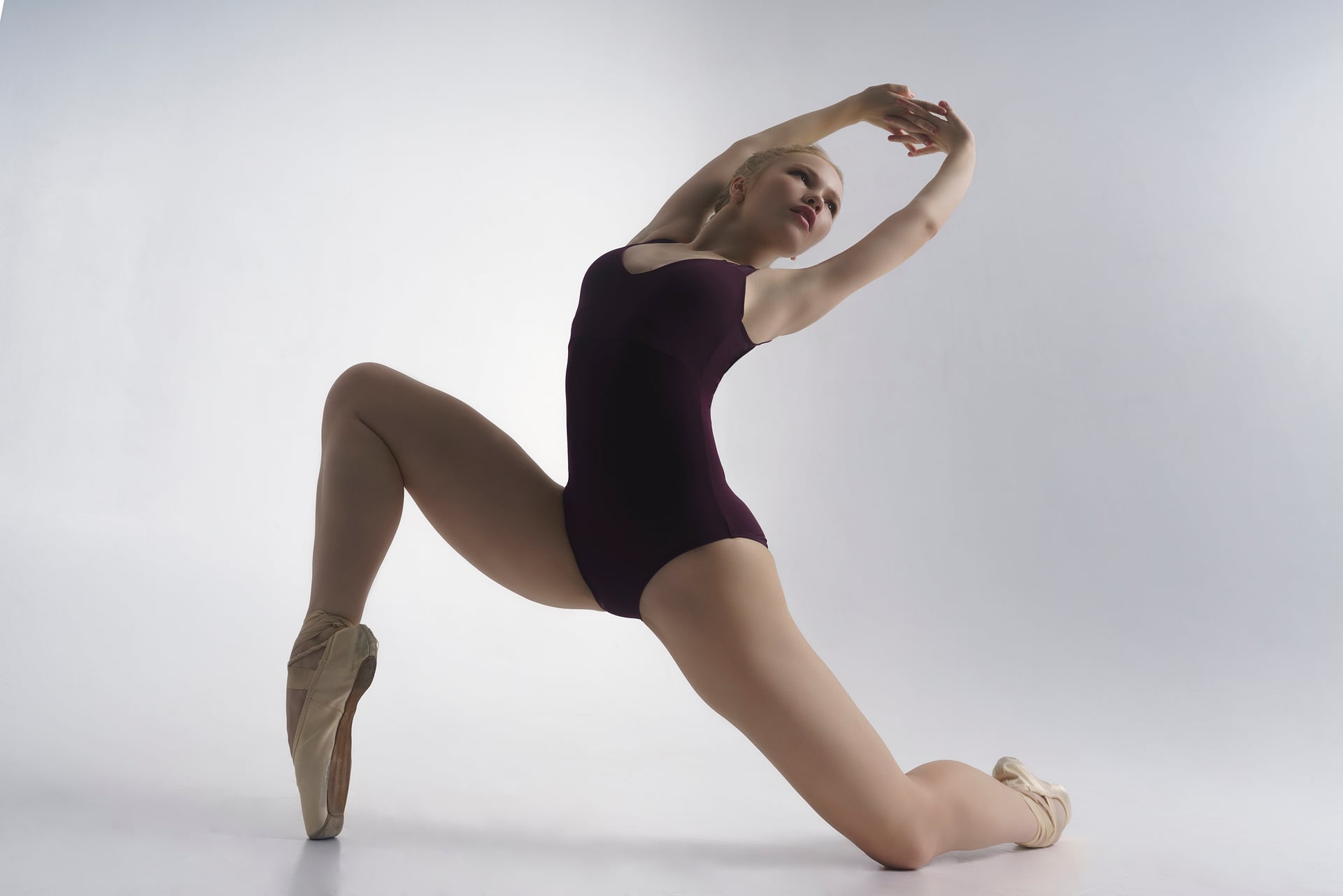
The dance industry desperately needs qualified instructors, yet talented dancers hesitate to teach because they wrongly assume formal education is the only legitimate path forward.
Universities prepare instructors for academic roles, but thousands of successful teachers build thriving careers without traditional degrees. Instead, they focus on specialized certifications, practical experience, and the teaching skills studios actually need. Here's how you can join them.
Where Dance Teachers Actually Work
Teaching environments vary wildly in their requirements, expectations, and hiring standards. Public schools demand state licenses and education degrees because dance falls under arts curriculum standards. Private studios care more about your ability to demonstrate technique and build student rapport during trial classes. Universities expect master's degrees plus substantial performance credits that prove field credibility, while fitness centers prioritize group certifications over classical training backgrounds.
These distinctions matter because chasing unnecessary qualifications wastes years and drains bank accounts. Teaching recreational hip-hop at a community center doesn't require a four-year degree. Aspiring university faculty, however, must invest in graduate education to compete. Matching your preparation to your actual goals helps you start teaching sooner rather than preparing for requirements you'll never need.
Training That Actually Prepares You to Teach
You cannot teach movements you haven't mastered yourself, making strong personal dance skills essential. Training might come from studio classes, company experience, intensive workshops, or combinations that expose you to multiple teaching approaches. Technical depth varies based on the styles you'll teach and the student levels you'll serve.
Beyond executing movements correctly, you need to understand the principles behind each technique. Performance experience adds crucial context because stages teach artistry, presence, and mental aspects that technique classes alone never fully address. Working with various instructors shows you how different methods work for different learning styles.
Most successful teachers train seriously for years before instructing, building muscle memory that allows clear demonstration while observing student performance simultaneously. This background gives you credibility with students and parents seeking guidance from someone who genuinely knows the material. Competence matters more than training duration, though students quickly spot instructors lacking the skills they claim to possess.
Certifications Worth Your Time and Money
Professional certifications verify your teaching ability to employers and families needing proof that you understand technique and age-appropriate methods. Organizations like the Royal Academy of Dance, Imperial Society of Teachers of Dancing, and Dance Masters of America require rigorous training and examination before granting credentials. Coursework typically covers anatomy, child development, teaching methodology, and style-specific pedagogy before examination attempts.
Choose certifications that align with your target styles and markets, since different regions recognize different organizations as authoritative. Ballet instructors often pursue RAD or ISTD credentials because parents recognize and trust these established systems. Hip-hop and contemporary styles lack standardized programs, making performance credentials and teaching experience more valuable than formal certificates.
Some certifications focus specifically on teaching children, addressing classroom management, age-appropriate progressions, and injury prevention in developing bodies. Others target professional-level instruction with advanced students needing refinement rather than basic development. Fitness certifications from ACE or AFAA add value for dance-based workout classes prioritizing cardiovascular conditioning over perfect technique.
Consider these factors before investing in certifications:
- Costs range from hundreds to several thousand dollars across multiple years
- Whether credentials actually help secure better positions in your market
- If your target employers or students value these specific certifications
- How certification requirements align with your existing skills and knowledge
Many instructors build successful careers without formal certifications by developing strong reputations through student results and word-of-mouth referrals.
Skills That Separate Good Teachers from Great Ones
Teaching demands completely different abilities from performing, requiring you to translate physical understanding into instructions that students can actually process. Strong communication means breaking complex movements into manageable steps and choosing words that resonate with different age groups. Observation skills help identify technical problems, understand their causes, and prioritize corrections for maximum improvement without overwhelming students.
Patience becomes vital when working with beginners struggling with coordination, rhythm, or body awareness that advanced dancers take for granted. Students progress at vastly different rates based on natural ability, previous experience, and practice habits beyond your control. Creating positive environments where students feel safe making mistakes requires emotional intelligence that technique training never develops.
Classroom management keeps groups focused, handles behavioral issues diplomatically, and ensures productive studio time rather than chaos with high-energy younger students. Music selection skills help match tempos to abilities, choose motivating songs, and choreograph combinations working with musical phrasing instead of against it.
Adaptability lets you modify plans when students struggle, adjust methods for different learning styles, and pivot during unexpected situations. Some students learn visually, others need verbal explanation, and still others require hands-on guidance before movements click. Recognizing these differences and responding appropriately determines whether students thrive or seek teachers whose communication better matches their preferences.
Getting Real Experience Without Your Own Studio
Assisting experienced instructors provides invaluable opportunities to observe effective techniques, lead class portions, and receive feedback without bearing full responsibility for outcomes. Many studios let advanced students assist with beginner classes, giving chances to practice demonstrating, offering corrections, and managing dynamics under supervision. These roles show what actually works with real students versus what sounds good theoretically.
Volunteering at community centers, after-school programs, or recreational facilities provides practical experience leading your own classes while building credentials. These organizations often welcome enthusiastic instructors charging reduced rates because limited budgets prevent hiring established teachers. Students here might not become professionals, but they teach you how to communicate clearly and handle unexpected challenges with actual people rather than imaginary ideal students.
Starting with beginners and younger students makes sense because they have fewer preconceptions about proper technique and respond enthusiastically to teaching energy. As confidence grows, gradually work with more advanced students requiring higher technical knowledge and sophisticated approaches. This progression develops abilities systematically rather than overwhelming yourself by teaching advanced material before mastering fundamental skills at every level.
Recording classes and reviewing footage reveals habits you never notice while actively teaching, from unclear demonstrations to verbal fillers undermining authority. Seeking feedback from other instructors or even students identifies improvement areas and shows how different approaches affect learning. The best instructors actively seek criticism because teaching develops through practice and reflection rather than being an innate talent.
When College Programs Actually Help Your Career
University dance programs provide comprehensive education in technique, choreography, history, anatomy, and methodology that builds well-rounded instructors. Programs typically require four years for bachelor's degrees and additional years for master's degrees, qualifying you for university positions. Structured curriculum exposes you to styles and concepts that studio training alone might never cover, substantially broadening artistic perspective and technical foundation.
Public school positions almost always require bachelor's degrees in dance education plus state credentials involving student teaching and certification examinations. Schools need instructors to understand educational psychology, curriculum development, assessment methods, and regulatory frameworks governing education. If public school teaching appeals to you, formal education becomes mandatory rather than optional for legally accessing those positions.
Graduate degrees open doors to university faculty roles, choreographic opportunities, and leadership positions closed to instructors without advanced education. Universities hiring dance faculty typically require master's degrees minimum, with many preferring doctoral degrees. Graduate education investment makes sense when career goals specifically target academic and artistic leadership rather than studio teaching.
Weigh these considerations before committing to formal programs:
- Costs run from tens of thousands to over one hundred thousand dollars
- Years required for completion while earning limited or no teaching income
- Whether your target market and positions actually value degrees highly
- If your realistic earning potential justifies the financial investment
Some markets and environments value degrees highly, while others care more about practical abilities and student results than academic credentials.
Building Visibility and Landing Teaching Jobs
Your reputation spreads primarily through student results and parent satisfaction, generating word-of-mouth recommendations. Producing students who win competitions, earn performance opportunities, or make visible progress creates the best possible marketing because results speak louder than any advertisement. Parents talk extensively about their children's activities, meaning exceptional teaching generates organic referrals, filling classes without expensive campaigns.
Social media helps potential students discover you, see your teaching style through videos, and understand what makes your approach distinctive. Posting class highlights, student achievements, technique tips, and behind-the-scenes content keeps you visible while demonstrating expertise to researching families. Many instructors underestimate how much browsing happens before potential students ever make contact, making online presence crucial for converting interest into enrollments.
Networking with other professionals creates referral relationships where established teachers recommend you when fully booked or when students need styles outside their expertise. Attending workshops and community events connects you with studio owners, fellow instructors, and administrators who might offer opportunities. Professional organizations and industry groups provide networking alongside continuing education, keeping skills current while expanding your professional circle.
Starting your own classes or studio requires business skills many dancers lack, from marketing and bookkeeping to insurance and facility management, consuming time you'd rather spend teaching. However, independent teaching gives complete control over schedule, rates, curriculum, and studio culture. Some instructors thrive in self-employment freedom, while others prefer established studios handling administrative burdens so they can focus exclusively on teaching.
Your Next Steps as a Dance Teacher
Your path depends on goals, resources, the target environment, and the populations you hope to serve. Starting small with assistant positions or volunteer opportunities tests whether teaching suits your personality before major commitments.
Research specific requirements by talking with working instructors, contacting potential employers, and understanding what credentials actually matter versus what sounds impressive. Begin building relationships with experienced teachers who can mentor you and provide honest feedback about strengths and development areas. Connecting with the broader dance education community accelerates your growth and helps navigate challenges that derail instructors' learning solely through trial and error.
Dance Teacher Web Conference and Expo
City: Las Vegas
Address: 3655 Las Vegas Blvd S
Website: https://www.danceteachersummerexpo.com/
Phone: +1 203 545 7147
Email: steve@danceteacherweb.com


Comments
Post a Comment