How Often Should I Get My HVAC Tuned-Up? Alabama Technicians Break It Down
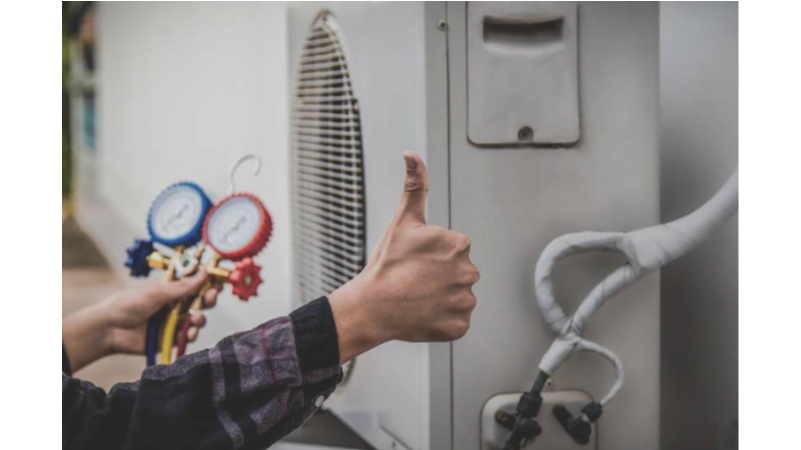
Key Takeaways
- HVAC systems require professional tune-ups twice per year—once in spring before cooling season and once in fall before heating season—to maintain optimal performance and efficiency.
- Spring maintenance prevents summer breakdowns by replacing filters, clearing debris, and inspecting refrigerant lines, while fall tune-ups ensure heating systems operate safely during winter months.
- Regular maintenance can reduce utility bills by 5-30% while extending equipment life, potentially saving homeowners thousands in premature replacements.
- Most HVAC manufacturers require documented professional maintenance to keep warranties valid, making regular tune-ups necessary for protecting your investment.
- Scheduling maintenance during off-peak seasons provides faster service and more flexible appointment options.
Understanding when to schedule HVAC maintenance can make all the difference between a comfortable home and costly emergency repairs. Professional technicians recommend a strategic approach that aligns with seasonal demands - ensuring your system operates efficiently year-round.
HVAC Systems Need Tune-Ups Twice Per Year
HVAC systems require professional maintenance twice annually to operate at peak efficiency. Spring and fall are the best seasons for tune-ups, as these seasons precede the most demanding operational periods for cooling and heating equipment. Industry professionals universally recommend this bi-annual approach because it addresses the specific maintenance needs that arise from seasonal usage patterns.
The twice-yearly schedule allows technicians to prepare each system component for its upcoming heavy-use season. Professional maintenance programs like Engle Services' Peak Maintenance Plan structure their services around this proven timing to maximize system performance and prevent unexpected failures during peak demand periods - in other words, when it's hottest or coldest.
Regular maintenance intervals also help homeowners budget for HVAC care while ensuring warranty compliance. Most equipment manufacturers specify maintenance frequency requirements, and failing to meet these standards can void warranty coverage, potentially costing thousands in uncovered repairs.
Spring Tune-Ups Prepare for Summer Heat
Spring maintenance focuses on preparing cooling systems for the intense demands of summer operation. Such seasonal tune-ups address accumulated wear from winter heating cycles while optimizing air conditioning components for efficient cooling performance.
1. Replace Air Filters and Clear Outdoor Debris
Air filter replacement is the most critical spring maintenance task. Dirty filters restrict airflow, forcing systems to work harder and consume more energy. Spring cleaning also involves removing debris, leaves, and vegetation that may have accumulated around outdoor units during the winter months. This debris clearance ensures proper airflow and prevents overheating issues that commonly occur when outdoor temperatures rise.
2. Inspect Refrigerant Lines and Clean Evaporator Coils
Refrigerant line inspections detect leaks or damage that could compromise cooling efficiency. Low refrigerant levels force air conditioning systems to run longer cycles, significantly increasing energy costs. Evaporator coil cleaning removes dust and buildup that accumulates during heating season, restoring optimal heat transfer capabilities needed for efficient cooling operation.
3. Prevent Summer Breakdowns When You Need AC Most
Spring maintenance identifies potential failure points before they cause complete system breakdowns. Component testing reveals worn parts, electrical issues, or mechanical problems that could lead to costly emergency repairs during peak summer heat. Addressing these issues proactively prevents the discomfort and expense of air conditioning failures when outdoor temperatures soar.
Fall Maintenance Gets Heating Ready for Winter
Fall tune-ups shift focus to heating system components, ensuring safe and efficient operation throughout the winter months. This maintenance timing takes advantage of moderate temperatures when heating systems aren't yet in constant use.
1. Change Filters and Clean Air Vents
Fresh filters improve indoor air quality while reducing strain on heating equipment. Fall filter changes are particularly important for maintaining heating system efficiency and indoor air quality during the colder months. Vent cleaning removes dust accumulation and ensures proper airflow distribution throughout the home's heating zones.
2. Check Furnace and Thermostat Operation
Furnace inspections verify safe operation of gas connections, heat exchangers, and combustion systems. These safety checks prevent dangerous conditions like carbon monoxide leaks or fire hazards. Thermostat calibration ensures accurate temperature control and prevents energy waste from incorrect temperature readings or faulty programming.
3. Schedule During Off-Peak Season for Faster Service
Fall represents an off-peak period for HVAC technicians, offering more flexible scheduling options and faster service completion. This timing advantage means homeowners can secure preferred appointment times and avoid the rushed service that often occurs during emergency winter repairs. Off-peak scheduling also allows technicians to perform more thorough inspections without the pressure of high-demand periods.
Regular Tune-Ups Save Money Long-Term
Preventative HVAC maintenance delivers measurable financial benefits through multiple cost-saving mechanisms. These savings compound over time, making regular tune-ups one of the most cost-effective home maintenance investments.
Contribute to Lower Utility Bills Through Improved Efficiency
Well-maintained HVAC systems consume 5-30% less energy than neglected equipment. Clean filters, calibrated thermostats, and properly functioning components reduce the workload required to maintain comfortable temperatures. This efficiency improvement translates directly into lower monthly utility bills, with savings that can often offset or exceed the cost of maintenance services over time.
Extend Equipment Life and Delay Replacements
Regular maintenance significantly extends your HVAC system's lifespan by preventing premature component wear. Clean systems operate with less mechanical stress, reducing the cumulative damage that leads to expensive replacements. Homeowners who maintain their systems regularly can expect 15-20 year operational lives compared to 8-12 years for neglected equipment, representing thousands of dollars in delayed replacement costs.
Catch Small Problems Before Major Repairs
Professional tune-ups identify minor issues before they escalate into major system failures. A loose electrical connection caught during routine maintenance might cost $50 to repair, while the same issue could cause a $500 motor replacement if left unaddressed. This early detection capability prevents the cascading failures that often result in complete system replacements.
Maintenance Records Keep Your Warranty Valid
HVAC manufacturers require documented professional maintenance to honor warranty claims. These warranty requirements specifically mandate regular tune-ups performed by licensed technicians, with detailed service records maintained throughout the equipment's warranty period. Failure to provide maintenance documentation can result in denied warranty claims, leaving homeowners responsible for expensive repairs that should have been covered.
Service records also increase home resale value by demonstrating proper equipment care to potential buyers. Real estate professionals report that documented HVAC maintenance adds credibility to property listings and can influence purchase decisions, particularly in markets where equipment replacement costs are significant considerations for buyers.
Find Maintenance Plans That Cover Spring and Fall Tune-Ups
Many plans provide bi-annual HVAC tune-ups along with additional benefits designed to maximize system performance and homeowner convenience. These plans typically include spring and fall maintenance visits, priority service scheduling, and parts discounts that contribute to overall savings.
You might also receive a free service call annually and avoid overtime fees for emergency repairs. Some technicians offer benefits that range from yearly loyalty credit toward new HVAC system purchases to building value for future equipment upgrades. This all makes it easier to schedule much-needed maintenance while providing cost predictability as you look to manage your upkeep budget.
Engle Services
City: Sylacauga
Address: 40300 U.S. 280
Website: https://engleservicesheatingandair.com/


Comments
Post a Comment