Homeowner’s Guide: Preventing Colorado Springs Pipe Freezing
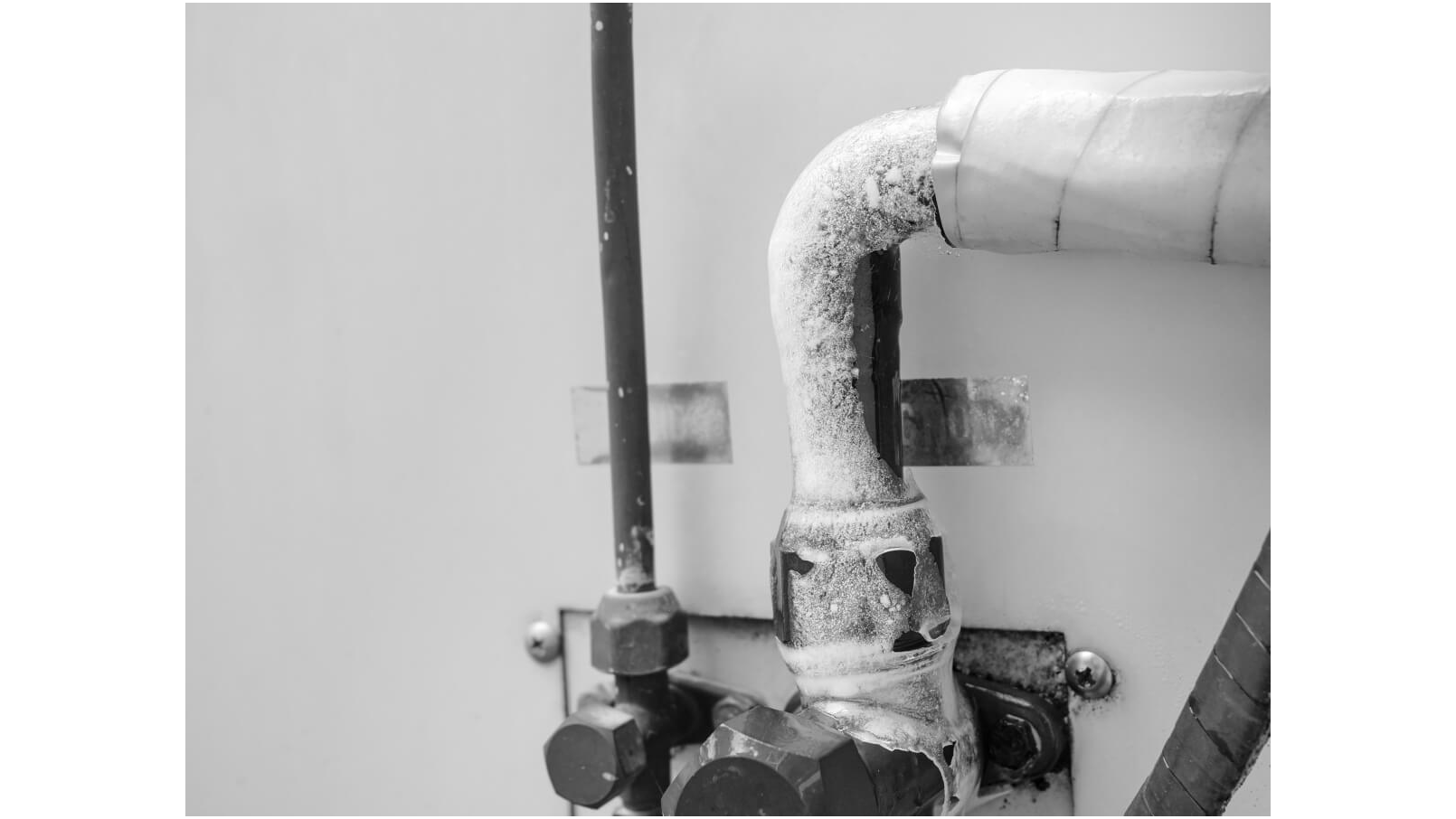
Key Takeaways:
- Colorado Springs experiences 150+ days below freezing annually, making pipe protection vital for avoiding costly water damage
- Proper insulation with foam sleeves and heat tape can prevent the majority of freeze damage in high-risk areas like basements and crawl spaces
- Simple daily habits like maintaining 60°F indoor temperatures and letting faucets drip during cold snaps provide powerful protection
- Emergency response knowledge, including locating your main water shutoff valve, can save thousands in repair costs
Winter in Colorado Springs brings harsh conditions that test every home's plumbing system. With temperatures frequently dropping below freezing for extended periods, homeowners face a constant threat of frozen pipes and the devastating water damage that follows. The good news? Most freeze-related disasters are entirely preventable with the right knowledge and preparation.
Colorado Springs Winter Threats: Protecting Your Home's Plumbing
Colorado Springs' unique climate creates the perfect storm for plumbing problems. The city's high altitude and dry air allow frost to penetrate deeper into the ground than in more humid climates, putting both indoor and outdoor pipes at risk. When temperatures plummet to single digits—a regular occurrence during peak winter months—unprotected pipes become ticking time bombs.
The threat extends beyond just outdoor spigots. Pipes running through unheated spaces like crawl spaces, attics, and garages face constant danger. Even pipes inside exterior walls can freeze when cold air infiltrates through gaps and cracks. Older homes often have additional vulnerabilities that require special attention during severe cold snaps.
Why Your Pipes Freeze (And Why It Costs $500-$5,000)
Understanding the science behind frozen pipes helps homeowners take targeted prevention steps. When water freezes, it doesn't just stop flowing—it creates a destructive force that can devastate your home's plumbing system and your wallet.
Water Expands 9% When Frozen
The moment water inside your pipes drops to 32°F, it begins transforming into ice. This phase change creates tremendous pressure as water expands by approximately 9% of its original volume. Copper pipes, common in many Colorado Springs homes, are particularly vulnerable to this expansion. Unlike flexible PEX piping, which can stretch slightly to accommodate ice formation, rigid copper pipes have no give. The result? Cracks, splits, or complete ruptures that can unleash hundreds of gallons of water into your home.
High-Risk Areas in Your Home
Certain areas of your home act as magnets for freeze damage. Basement pipes running along exterior walls top the list, especially when they lack proper insulation. Crawl spaces present another major vulnerability—uninsulated crawl spaces create prime conditions for pipe freezing due to their exposure to cold air and lack of heating.
Attics, garages, and any space where pipes travel through unconditioned areas create prime freezing conditions. Even kitchen and bathroom pipes can freeze when they're located on exterior walls without adequate protection.
Colorado's Dry Climate Creates Deeper Frost
The arid climate that makes Colorado Springs beautiful also makes it dangerous for pipes. Dry air allows frost to penetrate deeper into the ground and building materials than humid climates. Professional plumbers in the area understand the unique challenges posed by the local climate and can provide guidance on proper protection methods.
Insulate Now: Protecting Exposed Pipes
The most effective defense against frozen pipes starts with proper insulation. This proactive approach costs far less than emergency repairs and provides year-round energy savings.
1. Foam Sleeves for Basements and Crawl Spaces
Pre-slit foam pipe sleeves offer the easiest and most cost-effective protection for accessible pipes. These sleeves, costing around $2 for a six-foot piece, slip directly over pipes and provide an R-value between R-3 and R-8 depending on thickness. The higher the R-value, the better the thermal barrier against cold.
Installation takes just minutes. Simply measure your pipes, cut the foam sleeves to length with a utility knife, and slip them over the pipes with the pre-slit seam facing downward. Secure every 1-2 feet with tape or cable ties, ensuring seams overlap by at least half an inch for complete coverage.
2. Heat Tape for Extreme Cold Protection
For pipes in extremely vulnerable locations, heat tape provides active protection. Modern heat tape features built-in thermostats that automatically activate when temperatures drop below a set threshold, typically around 40°F. This self-regulating feature prevents overheating while ensuring continuous protection during extended cold periods.
Always choose UL-listed heat tape rated for your specific pipe material. Wrap it spirally along the pipe bottom, never overlapping the tape on itself, and plug into a GFCI-protected outlet for safety.
3. Seal Gaps and Penetrations
Even the best pipe insulation fails if cold air reaches the pipes. Walk around your home's exterior and locate where pipes enter the foundation or walls. Seal these penetrations with caulk or expanding foam to create an air barrier. Pay special attention to areas around utility entrances, outdoor spigots, and crawl space vents.
Daily Winter Habits That Prevent Freezing
Simple daily habits during Colorado Springs' long winter season can mean the difference between a comfortable home and a plumbing disaster. These practices cost virtually nothing but provide tremendous protection.
1. Maintain 60°F Minimum Temperature
Never let your home's temperature drop below 60°F, even when traveling. This minimum temperature keeps pipes warm enough to prevent freezing while avoiding excessive heating costs. During extreme cold events, some experts recommend maintaining temperatures at 72°F for additional protection. Set your thermostat and leave it—the few extra dollars in heating costs pale compared to the thousands you'll spend on burst pipe repairs and water damage restoration.
When leaving town, resist the temptation to turn the heat down significantly. Many homeowners make this costly mistake, returning to find their homes flooded and damaged.
2. Open Cabinet Doors Under Sinks
Kitchen and bathroom sinks on exterior walls face the highest freezing risk because they're closest to outside temperatures. Opening cabinet doors under these sinks allows warm room air to circulate around the pipes, raising the temperature by several crucial degrees.
This simple step works particularly well overnight when home temperatures naturally drop. The improved air circulation can make the difference between flowing water and frozen pipes come morning.
3. Let Faucets Drip During Cold Snaps
During extreme cold events—when temperatures drop into single digits—allow affected faucets to drip slowly. A pencil-thin stream of cold water keeps water moving through the pipes, preventing ice formation and relieving pressure if some freezing does occur.
Focus on faucets served by pipes in vulnerable locations. Collect the dripping water in buckets for household use to avoid waste. This small inconvenience can prevent thousands of dollars in damage.
Winterize Outdoor Plumbing Before First Freeze
Outdoor plumbing systems require special attention because they face direct exposure to Colorado Springs' harsh winter conditions. Complete these steps before the first freeze warning, typically in late September or early October.
Disconnect and Drain All Hoses
Garden hoses left connected to outdoor spigots create a continuous path for freezing water to reach indoor plumbing. Remove all hoses, drain them completely by elevating one end while uncoiling, and store them indoors for the winter.
Even frost-free hose bibs require hose removal to function properly. The frost-free design only works when water can drain back through the long stem inside the wall.
Shut Off and Drain Outdoor Spigots
Locate the indoor shutoff valve for each outdoor spigot—typically found in the basement, crawl space, or utility room near the exterior wall. Turn this valve clockwise until tight, then open the outdoor spigot fully to drain remaining water.
Leave the outdoor spigot open all winter. This allows any residual water to drain and prevents vacuum formation that could trap water in the line.
Cover with Insulated Foam Guards
Install insulated foam covers over outdoor spigots for additional protection. These inexpensive covers ($3-5 each) provide crucial insulation during extended cold periods. Secure them tightly to the wall to prevent wind from displacing them.
Replace covers annually as they deteriorate from weather exposure. A worn cover provides little protection and offers false confidence.
Emergency Response: What to Do When Pipes Freeze
Despite best prevention efforts, pipes sometimes freeze. Quick, proper response can minimize damage and restore water flow safely.
Locate Your Main Water Shutoff Valve
Every homeowner should know their main water shutoff valve location before winter arrives. This valve, typically located where the main water line enters the house—often in the basement, utility room, or near the water heater—can prevent catastrophic flooding if a pipe bursts.
Practice operating the valve when weather is mild. Some valves require a water meter key or wrench, while others operate by hand. Tag the valve clearly so family members can find it during emergencies.
Safe Thawing Methods
When pipes freeze, shut off the main water supply and open the affected faucet before beginning thawing efforts. Start thawing at the faucet end and work toward the blockage, allowing melting water to flow out freely.
Use a hair dryer on low heat, holding it 6-12 inches from the pipe and moving steadily along the frozen section. Hot water-soaked towels wrapped around accessible pipes also work well—replace every 10-15 minutes as they cool. Space heaters can warm enclosed areas, but never leave them unattended.
Never use open flames, torches, or excessive heat. These methods can damage pipes, start fires, or cause burns.
When to Call Professional Help
Call professional plumbers immediately if you suspect pipe damage, can't locate the frozen section, or thawing efforts fail after several hours. Signs that demand professional intervention include bulging pipes, visible cracks, or no water flow after extensive thawing attempts.
Professional thawing services typically cost $100-500 but prevent the thousands in damage that burst pipes create. Emergency services can respond within hours during most conditions, though response times may extend during high-demand periods or severe weather events.
Protect Your Colorado Springs Home with Proven Prevention Strategies
Colorado Springs homeowners who implement these prevention strategies dramatically reduce their risk of costly freeze damage. The combination of proper insulation, smart daily habits, thorough winterization, and emergency preparedness creates multiple layers of protection against the region's challenging winter conditions.
Prevention costs far less than repair. Spending a few hundred dollars on insulation and covers can save thousands in emergency repairs, water damage restoration, and the disruption of daily life. Start preparations in early fall, before Colorado's unpredictable weather catches you off guard.
The investment in pipe protection pays dividends beyond avoiding disasters—properly insulated pipes also reduce energy costs by preventing heat loss and improving overall home efficiency. Make this winter the one where your home's plumbing system works flawlessly, no matter how low temperatures drop.
For expert guidance on protecting your Colorado Springs home's plumbing system this winter, visit Talmich Plumbing and Heating for professional advice and plumbing services.
Talmich Plumbing and Heating
City: Colorado Springs
Address: 9150 Bellcove Cir
Website: https://talmichplumbingheating.com/


Comments
Post a Comment