High Energy Bills? Alabama HVAC Techs Reveal The Impact Of Hidden Duct Leaks
Key Takeaways
- Hidden duct leaks are a common problem in homes and waste up to 40% of HVAC energy, costing homeowners hundreds of dollars annually
- Warning signs include skyrocketing utility bills, rooms that never reach comfortable temperatures, and excessive dust accumulation
- Leaky ducts create serious health risks by pulling in contaminated air and potentially causing carbon monoxide backdrafting
- Modern Aeroseal technology can seal up to 95% of hidden leaks that traditional repair methods miss
- Professional duct sealing typically reduces energy bills by 30% through improved HVAC efficiency
Most homeowners have no idea their ductwork is silently draining their bank accounts. While they focus on upgrading to energy-efficient appliances or adding insulation, a hidden culprit continues stealing conditioned air and money every single day.
Hidden Duct Leaks Are Common & Waste Up to 40% of HVAC Energy
The U.S. Department of Energy reports that typical duct systems lose 25-40% of heating and cooling energy through leaks. This staggering statistic means nearly half the money spent on utility bills disappears into walls, crawl spaces, and attics before reaching living areas. For the average Birmingham home, these hidden leaks waste hundreds of dollars each year while forcing HVAC systems to work overtime.
According to the experts at Engle Services, most homeowners assume their ductwork is sealed properly during installation. Unfortunately, reality tells a different story. Gaps form over time as building materials settle, joints separate, and connections loosen. These openings allow precious conditioned air to escape while pulling in unconditioned air from spaces filled with dust, allergens, and pollutants.
But do not despair! Professional HVAC technicians can use advanced Aeroseal technology to identify and seal these hidden energy thieves that traditional methods often miss.
Warning Signs Your Home is Hemorrhaging Money Through Ductwork
Most homeowners often dismiss the telltale signs of duct leakage as normal aging or seasonal fluctuations. Recognizing these warning signals can save thousands in wasted energy costs and prevent serious indoor air quality problems.
1. Skyrocketing Utility Bills Despite Normal Usage
When energy bills climb without increased usage, leaky ducts are often the culprit. The average home with significant duct leakage forces heating and cooling systems to work up to 50% harder, leading to extended run times. This extended operation dramatically increases energy consumption, even when thermostat settings remain unchanged. Homeowners frequently notice their systems cycling constantly without achieving desired comfort levels.
2. Rooms That Never Reach Comfortable Temperature
Consistent temperature imbalances throughout the home signal major ductwork problems. When conditioned air escapes through leaks before reaching its destination, certain rooms become impossible to heat or cool effectively. Bedrooms might stay stuffy while living areas feel comfortable, or upstairs rooms might be significantly warmer than downstairs spaces. These issues worsen during extreme weather when HVAC systems struggle to compensate for lost airflow.
3. Excessive Dust & Poor Air Quality Issues
Leaky ductwork creates negative air pressure that draws outside contaminants into living spaces. Homes with significant duct leaks often experience constant dust accumulation, increased allergy symptoms, and musty odors that cleaning cannot eliminate. Leaky ducts can pull in dust, pollen, insulation fibers, and even car exhaust from garages or outdoor areas, impacting indoor air quality.
4. HVAC System Running Constantly Without Results
When ductwork loses substantial amounts of conditioned air, HVAC systems cannot maintain thermostat settings efficiently. Units run continuously, trying to compensate for lost heating or cooling capacity. This constant operation not only increases energy bills but also significantly reduces equipment lifespan by creating excessive wear and tear on critical components.
The Hidden Health & Safety Dangers of Leaky Ducts
Beyond energy waste (and higher bills), duct leaks pose serious threats to family health and safety that many homeowners never consider. These invisible dangers can have long-term consequences for respiratory health and indoor air quality.
Contaminated Air Entering Your Living Space
Leaky ductwork transforms homes into giant vacuum cleaners, constantly pulling contaminated air from crawl spaces, attics, and wall cavities. This infiltration brings dust mites, mold spores, insulation particles, and outdoor pollutants directly into breathing areas. Families with asthma or allergies often experience worsening symptoms without realizing their ductwork is the source. Indoor air can become significantly more polluted than outdoor air when duct systems allow contaminant infiltration.
Carbon Monoxide Backdrafting Risks
Perhaps most alarming, significant duct leakage can cause backdrafting in combustion appliances such as water heaters, furnaces, and fireplaces. When return ducts pull excessive air from utility rooms or garages, they can prevent proper venting of carbon monoxide and other toxic gases. This colorless, odorless gas can accumulate to dangerous levels, creating potentially fatal conditions that carbon monoxide detectors might not catch until concentrations become critical.
Why Traditional Duct Repair Methods Miss Most Leaks
Standard duct repair approaches focus on visible, accessible problems while ignoring the majority of energy-wasting leaks. This limitation explains why many homeowners continue experiencing high energy bills and comfort issues even after professional duct cleaning or basic sealing services.
Inaccessible Leak Locations in Walls & Crawl Spaces
Most ductwork runs through areas that technicians cannot easily reach or inspect thoroughly. Joints buried in walls, connections above ceiling lines, and damaged sections in tight crawl spaces remain hidden from visual examination. Traditional repair methods require physical access to problem areas, making thorough sealing impossible without extensive demolition. A significant portion of duct leaks occur in these inaccessible locations.
Limitations of Manual Inspection & Tape Repairs
Conventional sealing relies on mastic compounds or metallic tape applied to visible joints and connections. While effective for accessible areas, these methods cannot address the numerous small gaps and hairline cracks that collectively cause significant energy loss. Manual inspection misses micro-leaks that appear insignificant individually but contribute substantially to overall system inefficiency. Additionally, tape and mastic repairs often fail over time as building movement and temperature fluctuations cause materials to separate or crack.
How Aeroseal Technology Seals Up to 95% of Hidden Leaks
Revolutionary Aeroseal technology addresses ductwork problems from the inside out, reaching every crack and gap regardless of location or accessibility. This patented process represents a quantum leap forward in duct sealing effectiveness and reliability.
Pressurized Sealing Process Reaches Every Crack
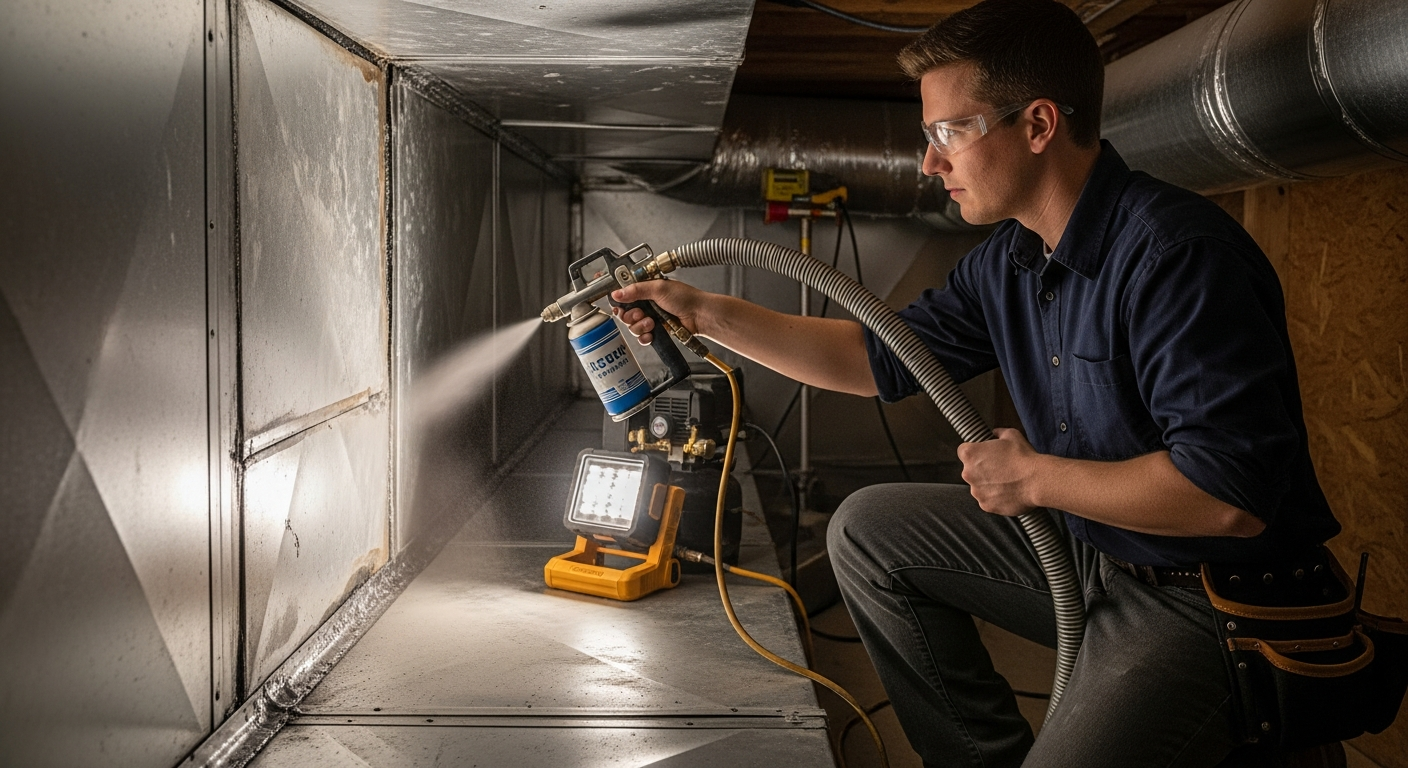
Aeroseal works by pressurizing the entire duct system with a specialized polymer sealant that seeks out and adheres to leak edges. The non-toxic, water-based formula follows airflow paths to locate every opening, then builds up gradually until gaps are completely sealed. This process targets a wide range of leak sizes, ensuring thorough coverage that manual methods cannot achieve. The sealant remains flexible after curing, preventing future cracking or separation as buildings settle and temperatures change.
Real Results: 90% Leak Reduction Achieved
Local case studies demonstrate Aeroseal's remarkable effectiveness in Alabama homes. One homeowner achieved a 90.2% reduction in total duct leakage, dropping from 80 square inches of combined leak area to just 7.9 square inches. This dramatic improvement translated to immediate comfort gains and significant energy savings. The Comfort Institute found that professional duct sealing reduced overall home envelope leakage by an average of 11.4% while saving 5-15% in energy consumption for participating households.
Professional Duct Sealing Can Cut Your Energy Bills by 30%
The financial benefits of thorough duct sealing extend far beyond immediate energy savings. Homeowners typically recover their investment within 2-4 years through reduced utility costs, while enjoying improved comfort and indoor air quality for many years to come.
Research consistently shows that professional duct sealing reduces heating and cooling costs by 20-30% in most homes. These savings compound over time, potentially saving thousands of dollars throughout a system's lifespan. Additionally, sealed ductwork reduces stress on HVAC equipment, extending operational life and decreasing repair frequency. Many utility companies offer rebates for duct sealing services, further improving return on investment.
The Environmental Protection Agency estimates that homeowners save an average of 15% on heating and cooling costs through air sealing and insulation improvements. When combined with other energy-efficiency measures, total household energy savings can reach 25% or more, making professional duct sealing one of the most cost-effective home improvements available.
Engle Services
City: Sylacauga
Address: 40300 U.S. 280
Website: https://engleservicesheatingandair.com/


Comments
Post a Comment