First Driving Lesson Tips: Las Vegas Expert Explains What Beginners Should Know
Key Takeaways
- Your first lesson focuses on vehicle controls and familiarization but you will be driving.
- Proper seat and mirror adjustment directly affects your control and hazard awareness.
- Professional instruction builds skills in the correct order and prevents bad habits from forming.
- Most beginners need thirty to fifty hours of practice before they're test-ready.
Most new drivers show up to their first driving lesson completely unprepared for what professional instruction actually involves or how they should get ready, says a Las Vegas-based expert from NV Driver’s Ed.
Understanding lesson basics beforehand removes anxiety and speeds up your progress significantly. Here's everything beginners need to know before their first time behind the wheel.
Your First Lesson Won't Involve Much Actual Driving
Instead of jumping straight into traffic, your initial lesson focuses almost entirely on familiarizing yourself with the vehicle and its basic controls. Instructors deliberately start off slow to help build confidence and increase skills. Sometimes we start in parking lots but usually quiet residential areas to help remove traffic pressure while you're learning fundamentals. During this time, you'll adjust your seat until you can reach the pedals comfortably while maintaining a slight bend in your elbows.
Beyond seat position, learning where every control sits matters more than most beginners realize at first. Your instructor will walk you through turn signals, headlights, windshield wipers, and the emergency brake until finding them becomes second nature. Once that foundation is solid, you'll practice smooth acceleration and gentle stops until your foot develops the right feel for each pedal.
Building Your Foundation Through Proper Vehicle Setup
The way you position yourself in the driver's seat directly affects your control over the vehicle and your ability to see potential hazards clearly. Adjusting your mirrors correctly eliminates most blind spots and gives you a complete view of what's happening around your car at all times. Your rearview mirror should frame your entire back window, while side mirrors need to show just a sliver of your car's body with the rest displaying the lane next to you.
Seat height matters more than most beginners realize because sitting too low limits your view of the road ahead and makes judging distances much harder. Your legs should reach the pedals with your knees slightly bent, and your back should rest fully against the seat for proper support during longer drives. Taking these few minutes to set up your driving position correctly before each lesson saves you from developing bad habits that become difficult to break later.
Essential Skills Every New Driver Needs to Master
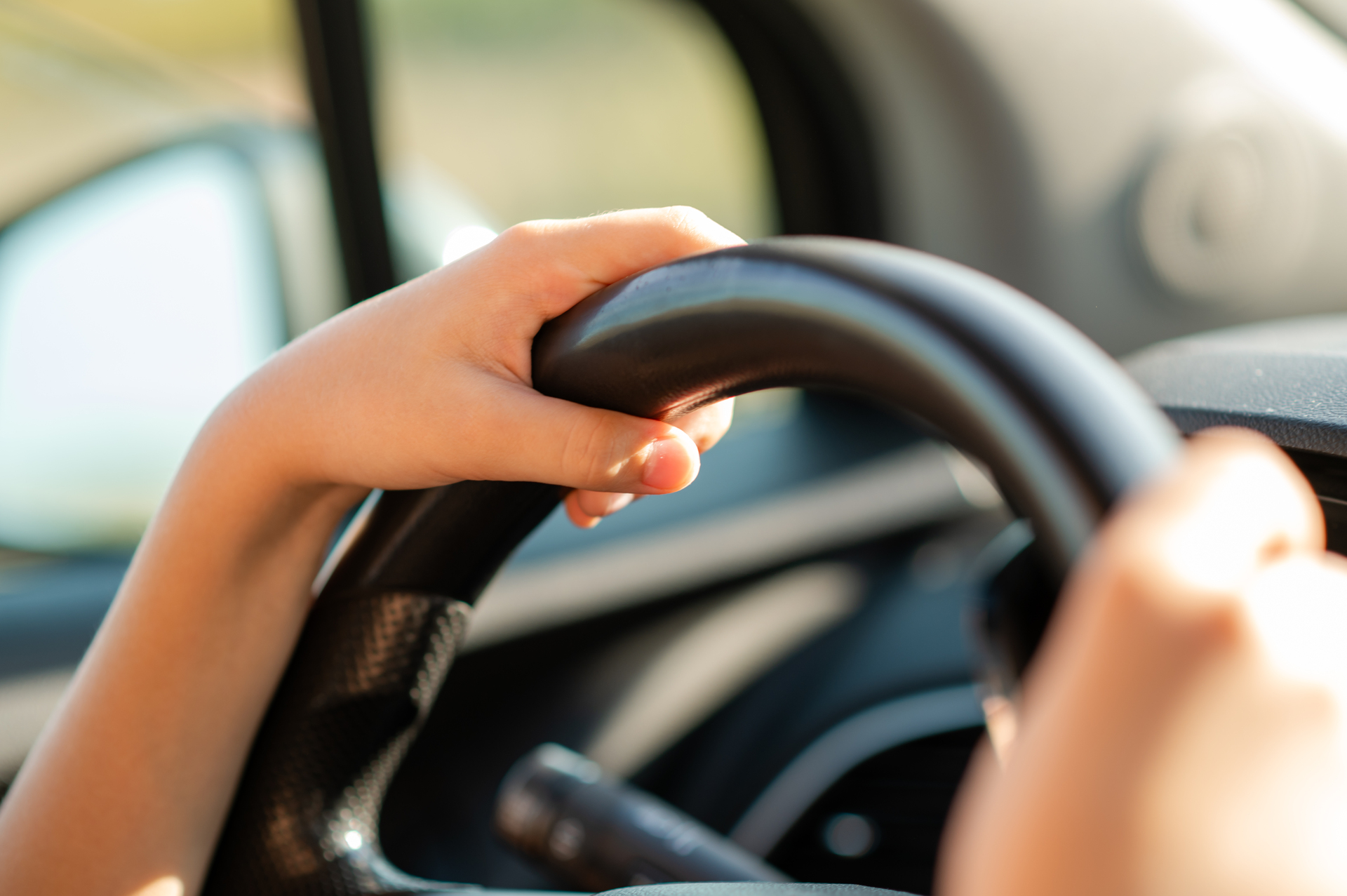
Learning to steer smoothly takes more practice than people expect because your natural instinct pushes you to grip the wheel too tightly and make jerky movements. Keeping both hands at the 9 and 3 o'clock positions gives you maximum control and allows for smooth turning using the push-pull method. This technique involves pushing up with one hand while pulling down with the other, which keeps your hands on the wheel throughout the turn instead of letting it slide through your fingers.
Understanding how to scan the road ahead, check your mirrors regularly, and watch for pedestrians or cyclists requires training your eyes to move in a specific pattern. Professional instructors teach you to look at least twelve seconds ahead on the road to spot potential problems before they become emergencies. Your mirrors need checking every 3 to 5 seconds, and you must physically turn your head to check blind spots before changing lanes or merging into traffic.
Different Types of Training Environments You'll Experience
- Empty parking lots provide the safest space for practicing basic maneuvers like starting, stopping, turning, and parking without any traffic pressure.
- Quiet residential streets introduce you to real road conditions with stop signs, intersections, and occasional other vehicles at slower speeds.
- Busier roads with traffic lights help you learn how to handle multiple lanes, traffic signals, and merging with faster-moving vehicles around you.
- Highway driving comes later in your training and teaches you how to safely enter, exit, and maintain proper speed on faster roads.
Understanding the Rules That Keep Everyone Safe
Traffic laws exist to create predictable patterns that help all drivers know what to expect from each other on the road. Speed limits represent the maximum safe speed for ideal conditions, which means you should drive slower when the weather, visibility, or road conditions make things more challenging. Stop signs require you to come to a complete stop behind the white line and check for cross traffic before proceeding, even when no other cars appear to be around.
Right-of-way rules determine who goes first at intersections, and understanding these prevents confusion and potential accidents at every turn. Yielding means slowing down or stopping to let other vehicles or pedestrians go before you proceed, which applies at merge points, crosswalks, and when entering traffic from driveways. Turn signals must activate at least one hundred feet before you actually turn or change lanes, giving other drivers enough notice to adjust their speed or position safely.
Common Mistakes That Slow Down Your Progress
- Looking directly at the hood of your car instead of far down the road ahead narrows your awareness and gives you less time to react to changes.
- Gripping the steering wheel too tightly creates arm fatigue and prevents the smooth, controlled movements you need for proper steering technique.
- Forgetting to check mirrors and blind spots before every lane change puts you at risk of sideswiping vehicles you didn't see.
- Accelerating and braking too aggressively wastes fuel, wears out your brakes faster, and makes everyone in the car feel uncomfortable.
How Weather and Road Conditions Change Your Approach
Rain creates slippery surfaces that increase your stopping distance significantly, which means you need to slow down and leave more space between your car and others. Your tires lose traction on wet roads, and standing water can cause hydroplaning, where your vehicle actually floats on top of the water for a moment. Turning on your headlights in the rain helps other drivers see you more easily, even during daytime hours when visibility drops.
Night driving presents different challenges because your depth perception changes, and you can't see as far ahead to spot potential hazards early. Glare from oncoming headlights temporarily reduces your vision, so you should look slightly to the right side of the road rather than directly at approaching lights. Driving slower at night gives you more time to react when something appears in your headlight beams, and you should never overdrive your headlights by going so fast that you can't stop within the distance you can see.
Preparing Yourself Mentally for Each Driving Lesson
Staying calm behind the wheel becomes easier when you accept that learning to drive takes time and everyone makes mistakes during the process. Feeling nervous is completely normal, but letting anxiety take over makes you tense up and actually reduces your ability to control the vehicle smoothly. Taking a few deep breaths before you start the car helps settle your nerves and gets you focused on the task at hand.
Avoiding distractions means putting your phone completely away, not just on silent, because even knowing it's there tempts you to check it. Your full attention belongs on the road, your mirrors, and your instructor's guidance throughout every minute of your lesson. Coming to each session well-rested and without rushing helps you absorb information better and respond more quickly to your instructor's directions.
The Role Professional Instruction Plays in Your Success
Learning from a qualified instructor rather than just practicing with family or friends gives you structured lessons that build skills in the right order. Professional instructors know how to spot problems in your technique before they become ingrained habits and can correct them while you're still developing your skills. They also stay calm and patient even when you make mistakes, which helps you feel more comfortable taking necessary risks like merging into traffic or attempting parallel parking.
Certified driving schools use vehicles equipped with dual controls that allow the instructor to brake or steer if needed for safety. This safety net lets you practice more challenging maneuvers without the fear of causing damage or getting into an accident during the learning process. Quality instruction also prepares you specifically for the driving test in your area since instructors know exactly what examiners look for and which skills they test most carefully.
How Long It Takes to Become a Confident Driver
Most beginning drivers need somewhere between thirty and fifty hours of practice to develop the skills and judgment required for safe, independent driving. Your first ten to fifteen hours build basic vehicle control, while the next twenty to thirty hours develop your ability to handle different traffic situations and road conditions. Time behind the wheel matters more than the number of lessons because actual driving experience trains your brain to process multiple things at once.
Everyone learns at their own pace, and comparing yourself to others only creates unnecessary pressure that can actually slow your progress down. Some people feel comfortable driving in traffic after twenty hours, while others need forty hours to reach the same confidence level. The goal is mastering each skill thoroughly before moving on to more complex situations, rather than rushing through lessons just to get your license quickly.
Knowing When You're Ready for Your Driving Test
Your instructor will tell you when your skills meet the standard required to pass the official driving examination in your state. Consistent performance across different driving conditions shows readiness better than one or two good practice sessions, so your instructor watches for steady improvement over time. Being able to handle unexpected situations smoothly, like a car pulling out in front of you or a pedestrian stepping into the crosswalk, demonstrates the judgment examiners want to see.
Parallel parking, 3-point turns, and backing up in a straight line are specific maneuvers that appear on most driving tests and require practice until you can do them confidently. Understanding all traffic signs and road markings without having to think about what they mean shows you've internalized the rules of the road. Your ability to maintain proper lane position, check mirrors regularly, and use turn signals without being reminded indicates you're developing the habits of a safe, responsible driver.
NV Drivers Ed
City: Las Vegas
Address: 8565 S. Eastern Ave
Website: https://nvdriversed.com
Phone: +1 702 329 7280
Email: brian@nvdriversed.com


Comments
Post a Comment